




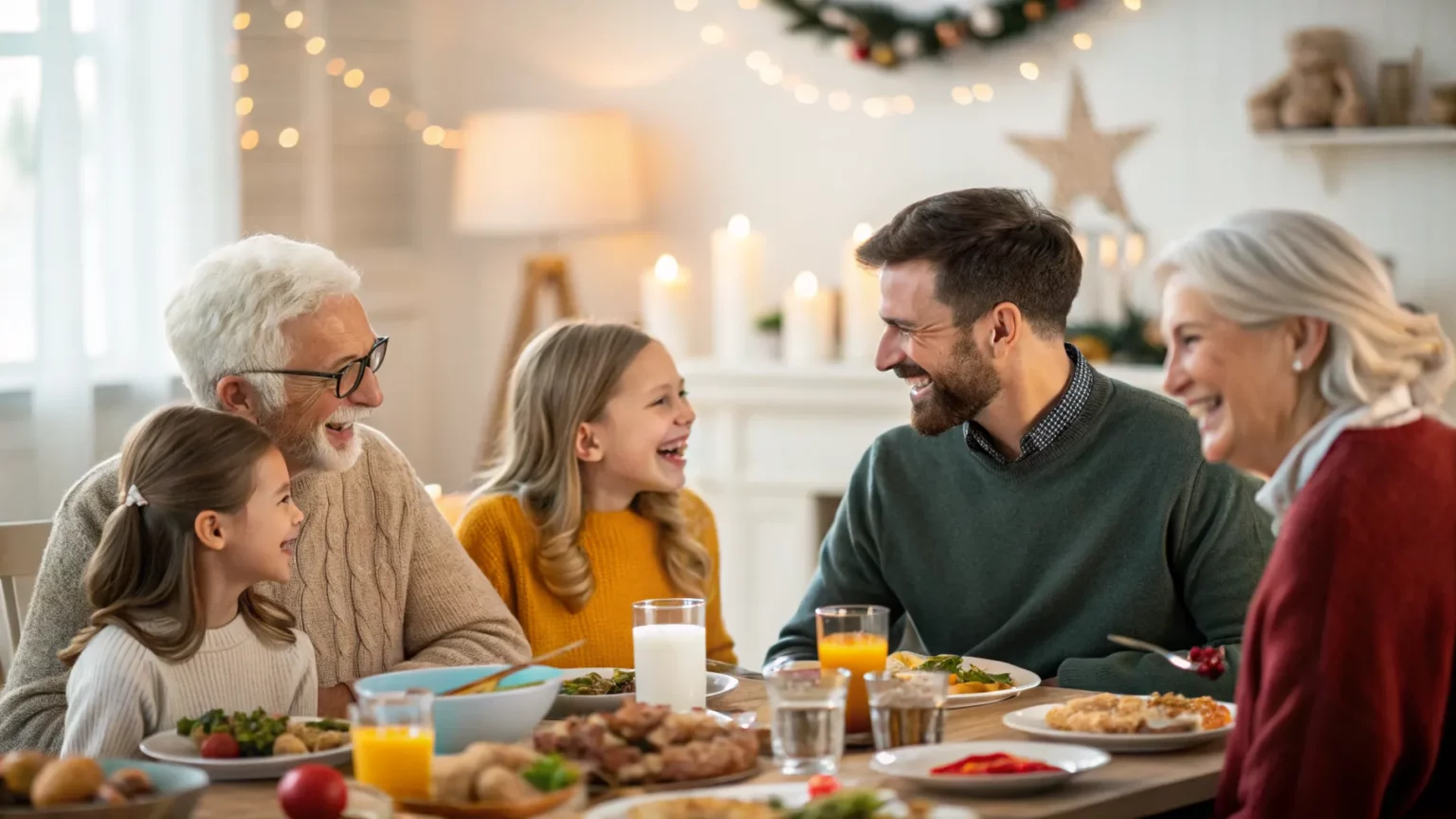
As communities revisit school calendars, holiday displays, and workplace schedules, one idea is driving the debate: what people keep doing together shapes who they are. The question at the center is simple and urgent—how should families, schools, and public spaces honor traditions in a country that is more diverse than ever, and why does it matter now?
The heart of the conversation rests on a plain truth voiced during a recent cultural discussion.
“Traditions are not just what we do, or eat, or how we decorate. Traditions tell us who we are and what our family values.”
That line captures what is at stake. The “what” is customs and rituals. The “who” is families and communities. The “why” is identity and continuity. The “where” and “when” stretch from living rooms to classrooms, and from holiday seasons to daily routines.
Why Traditions Matter Now
Traditions have always evolved. Immigration waves reshaped holidays. Civil rights movements broadened who gets seen and heard. Interfaith marriages and mixed cultural households rewrote menus and calendars at kitchen tables across the country.
What has changed is the speed of change. Social media spreads new practices fast. Younger generations remix old rituals with new meanings. Many families now juggle work shifts, school events, and caregiving, making it harder to gather at the same time and place every year.
Yet the pull remains strong. People still want anchors that feel familiar and shared. That is why arguments over public holiday symbols or school closures often carry more weight than the symbols themselves. The fights are really about identity and belonging.
Inside Homes, Classrooms, and Workplaces
Educators say the school calendar has become a front line. Fewer students share the same holidays. Districts experiment with more flexible schedules or broader recognition of cultural observances. The goal is fairness without losing cohesion.
Employers wrestle with the same puzzle. Flexible time off helps, but policies can feel abstract if teams never celebrate anything together. Many companies now create voluntary events where employees can share food, music, or stories, without pressuring anyone to participate.



Families, meanwhile, are making small edits that add up. Some rotate hosts to ease costs. Others swap meat-heavy meals for plant-forward spreads to include vegetarian guests. Many keep a core ritual—a prayer, song, recipe, or toast—and let the rest breathe.
What the Research Suggests
Long-running surveys by groups such as Pew Research Center and Gallup show two things at once: belief and practice are changing, but attachment to seasonal rituals remains high. Even as more Americans identify as religiously unaffiliated, many still gather around familiar holidays, often reshaped to fit mixed beliefs and modern schedules.
Sociologists have long linked shared rituals to social trust. It is not the specific food or décor that does the work. It is the reliable act of showing up together. That repetition builds a sense of “us,” which families carry into schools, workplaces, and neighborhoods.
Balancing Inclusion and Continuity
Public institutions face a hard but doable task: widen the circle without losing the thread. Leaders who set clear, simple rules—equal accommodation, voluntary participation, and transparent calendars—tend to reduce friction.
- Post holiday schedules early and explain the criteria used.
- Offer floating days so people can honor their own observances.
- Create optional cultural spotlights led by volunteers, not mandates.
- Keep core community events while rotating featured traditions.
These steps do not fix every conflict, but they turn heat into light. People argue less when they can plan, opt in, and feel seen.
What Comes Next
Expect more remixing. Younger adults are building traditions around service projects, outdoor meetups, and digital gatherings that allow far-flung relatives to join. Food remains the universal language, but recipes now travel by group chat as much as by handwritten card.
Institutions that treat traditions as living, not frozen, will adapt best. The anchor is meaning, not strict uniformity. As the speaker put it in that distilled line, the rituals we keep reveal what we value and who we claim as our own.
For families and communities, the next step is practical: choose a few rituals to protect, invite new ones with care, and write down the why behind them. That way the calendar keeps moving, but the story stays clear.