



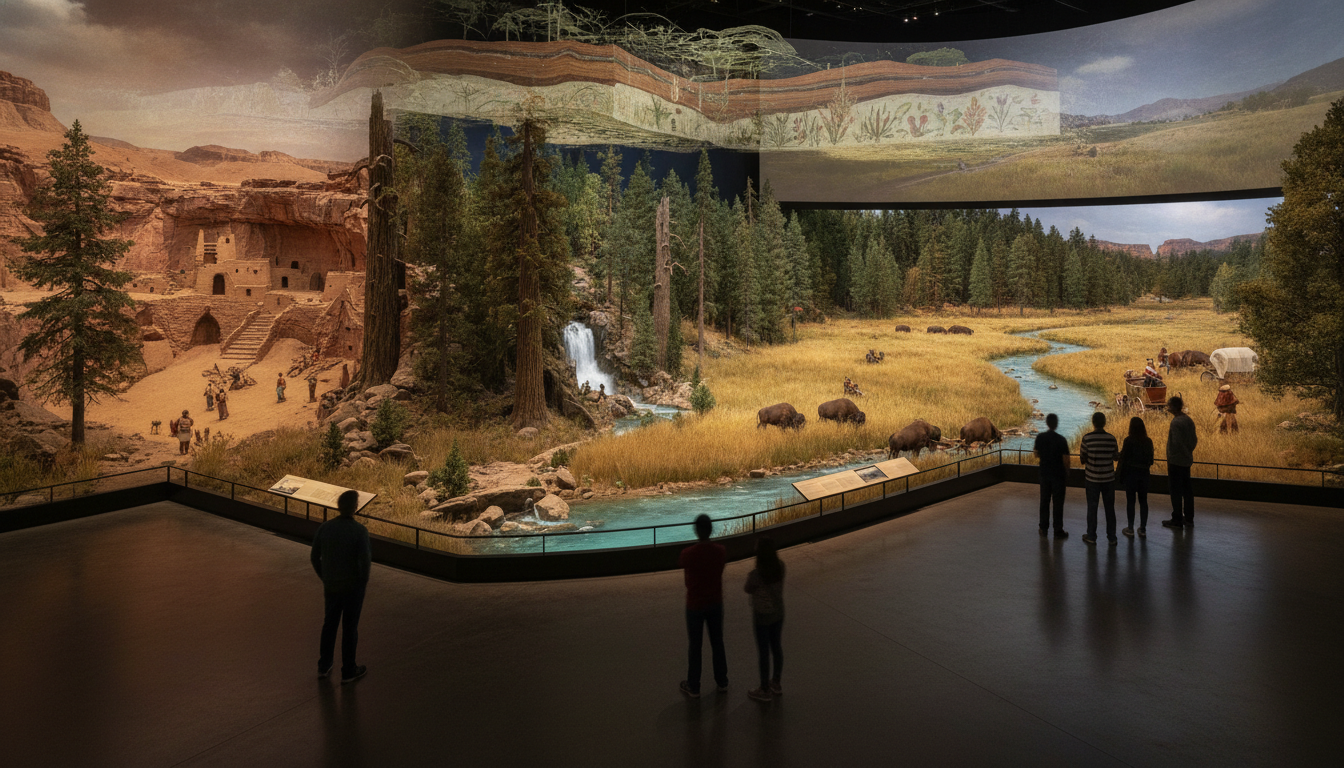
The Smithsonian National Museum of Natural History has introduced a new exhibition, “From These Lands,” designed to link visitors with the story of America’s natural past. Unveiled in Washington, D.C., the display centers on how landscapes, plants, animals, and people have shaped one another across time. Museum staff describe it as a way to make science feel close to home and relevant now.
The museum’s aim is clear. It wants visitors to see the country’s environments not as static backdrops, but as living systems shaped by geology, climate, and human choices. The title hints at a focus on place, urging guests to consider where materials and ideas come from, and what that means for communities today.
What the Exhibit Promises
“From These Lands connects visitors with America’s natural history.”
That simple pledge sets the tone. It suggests a hands-on, story-driven approach that moves past display cases and labels. Instead, the exhibit appears to use place-based narratives to help people recognize how local soils, waters, and species connect to national patterns. By drawing a direct line from neighborhood habitats to grand changes over millennia, the show seeks to make science personal without losing scope.
While full details have not been released publicly, the concept points to a blend of objects, visuals, and accessible explanations. It likely highlights how fossils, minerals, and cultural artifacts can share one thread: each speaks to the forces that shape land and life. The approach reflects a wider museum shift toward tying collections to present-day concerns such as conservation, land use, and climate resilience.
Why Place-Based Science Matters
Place-based interpretation helps visitors relate research to daily life. When a museum situates geology next to a map of a familiar region, or pairs a fossil with a nearby river system, complex ideas start to click. Educators say this method supports long-term memory and sparks questions a textbook might miss. That is especially true for younger audiences, who benefit from concrete examples and local ties.
Natural history museums also carry a civic role. They present shared evidence about how the land formed, which species live here, and how people have used resources. Exhibits that invite reflection on these topics can support informed decisions, from backyard planting to community planning. In this way, “From These Lands” serves both curiosity and public understanding.
Trends Shaping New Museum Exhibits
- Focus on stories linked to place and community.
- Clear, plain-language labels to support wide audiences.
- Connections between collections and present-day challenges.
- Interactive tools that help visitors explore data and maps.
Many institutions have updated galleries to reflect these trends. They are placing local specimens in national and even continental contexts. They are also using maps, timelines, and short videos to show change over time. The goal is to help visitors track cause and effect without technical jargon.
Bridging Science and Public Life
“From These Lands” appears to lean into this bridge-building role. By rooting stories in American settings, it can highlight how geology guides water supplies, how soils shape crops, and how species adapt. It can also raise careful questions about stewardship. When people see the ties between familiar places and long-term change, they may feel more prepared to weigh trade-offs in policy and daily habits.



Educators and community partners often look for exhibits that support classroom goals. A show that aligns with core science themes—systems, change over time, and evidence—can become a teaching tool. Field trips then carry lessons back to schools, homes, and local groups working on restoration or citizen science.
What To Watch Next
Key questions remain. How will the museum integrate Indigenous knowledge and local histories? Will the exhibit include interactive maps or citizen science links that let visitors contribute observations? How will it handle difficult topics, such as species loss or land use conflicts, while keeping the experience welcoming?
The answers will shape the show’s reach. If visitors leave with a clearer sense of place, better questions, and a desire to learn more, the exhibit will have met its goal. As museums seek to connect collections to daily life, “From These Lands” could offer a timely model.
For now, the message is straightforward and ambitious: connect the public with America’s natural history, one place at a time. As the exhibition settles in, watch for new programs, school partnerships, and tools that extend the gallery’s ideas beyond the museum walls.