
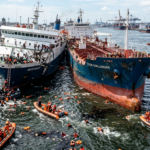

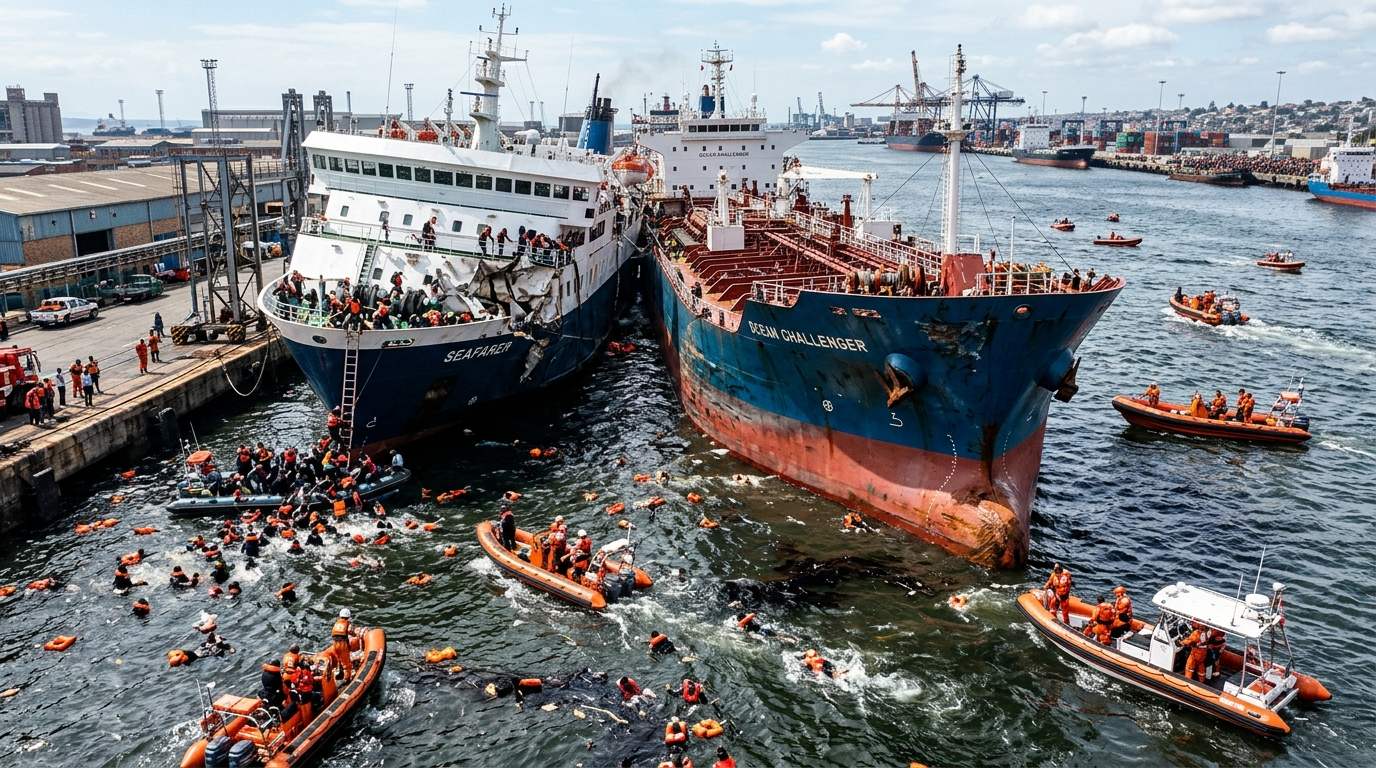
A tanker struck a docked vessel after an apparent failure, sending about 100 people into the water and raising urgent questions about what went wrong.
The location, timing and condition of those involved were not immediately available. The cause also remained unclear, leaving investigators to determine whether mechanical trouble, human error or another factor led to the collision.
“It’s not yet clear what caused the failure that sent the tanker crashing into the docked vessel and sending 100 people into the water.”
Rescue Effort Takes Priority
A marine emergency involving about 100 people can require several agencies. Rescue crews must locate survivors, provide medical care and confirm whether anyone remains missing.
People pulled from the water may face injuries from the impact or falls. They may also suffer cold-water shock, breathing problems or exposure, depending on conditions.
Officials had not provided a confirmed count of injuries or deaths. Without that information, the full human cost of the incident could not be assessed.
Investigators Face Several Questions
The reference to a “failure” suggests that a problem occurred before impact. However, there was no confirmed explanation for its nature or origin.
Marine investigators typically examine several possible factors after a large vessel loses control:
- Engine, steering or electrical system failures
- Actions taken by the tanker’s crew
- Radio traffic and warnings before impact
- Weather, visibility, currents and water conditions
- Maintenance records and recent inspections
Data from navigation equipment may help reconstruct the tanker’s speed, heading and movements. Investigators may also review video, witness accounts and communications between the vessel and port authorities.



No evidence had emerged to support any single cause. Early claims about responsibility would therefore be premature.
Collision Raises Port Safety Concerns
Tankers are large, heavy vessels that need time and distance to slow or change direction. A loss of propulsion or steering near a dock can quickly become dangerous.
The involvement of a docked vessel adds another concern. Investigators will likely examine why so many people entered the water and whether the second vessel met safety and evacuation rules.
The tanker’s cargo was not identified. That detail will matter because a spill could create environmental, fire or public health risks. No release of fuel or other material was confirmed.
Authorities may also inspect the dock and both vessels for structural damage. Any closure could disrupt local shipping while crews remove hazards and assess whether the area is safe.
Key Facts Remain Unconfirmed
Several basic details were still missing, including the tanker’s name, the port involved and the status of the people thrown overboard. Officials also had not said whether the vessel’s crew issued a warning before the crash.
The next updates will be critical. Search results, medical reports and vessel data should provide a clearer account of the collision.
For now, the central finding is limited but serious: a tanker suffered an unexplained failure, hit a stationary vessel and sent about 100 people into the water. The investigation must establish both the immediate cause and whether stronger safeguards could have reduced the harm.