




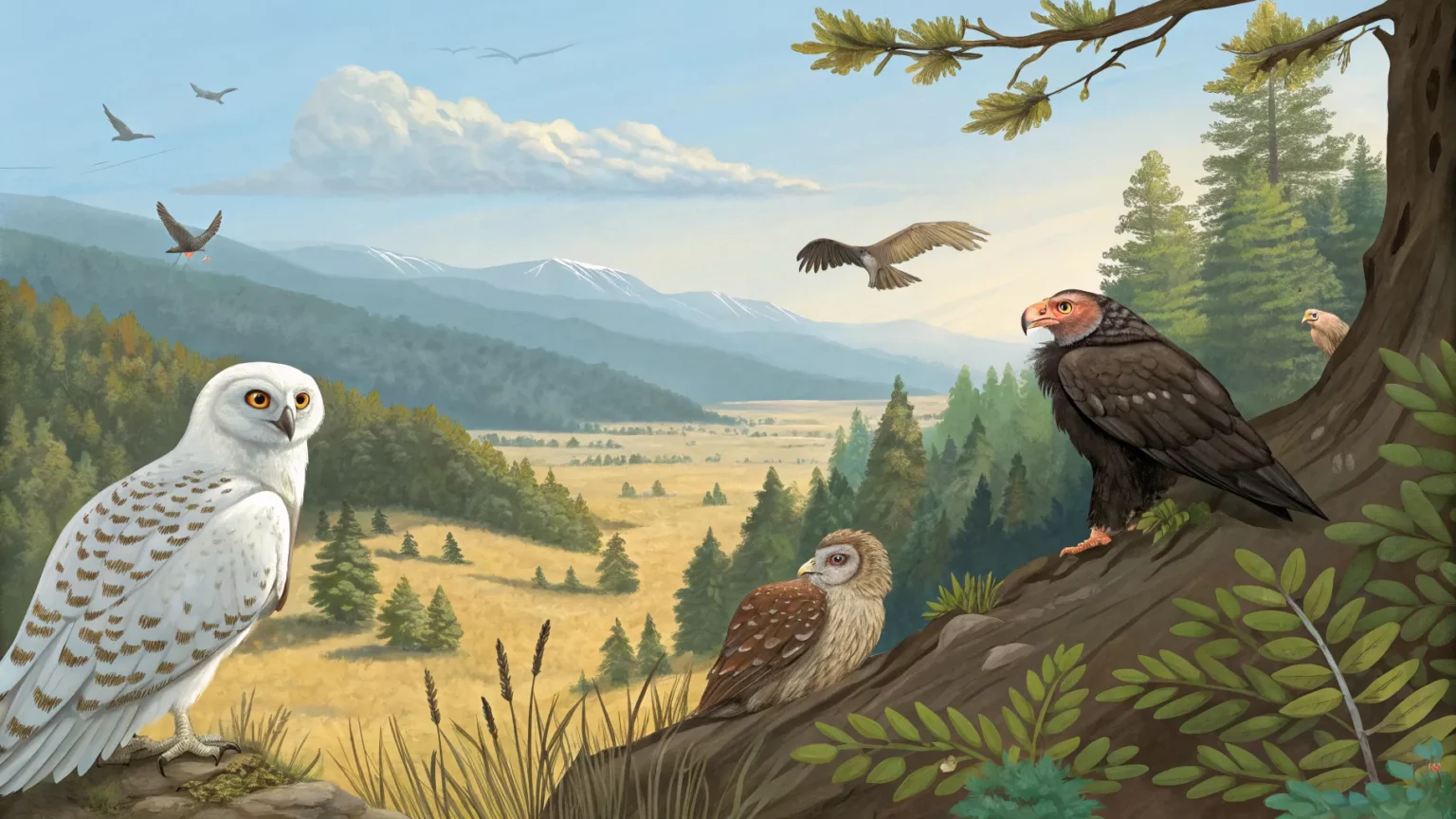
As habitats shrink and climates shift, many bird species face rising risk, yet new conservation work and research on avian intelligence are offering a credible path forward. Around the world, scientists and wildlife groups are racing to protect species while learning how birds think, adapt, and survive. The stakes are high, but the tools are improving, and early wins suggest the tide can turn.
“Many avian species are threatened, but conservation efforts and birds’ high intelligence offer hope.”
The warning is familiar. But the focus on intelligence-driven survival is gaining ground. From crows that solve puzzles to parrots that plan, cognition is no longer a side note. It is part of the strategy to keep species alive in cities, farms, and forests under stress.
A Global Picture of Decline
BirdLife International reports that about one in eight bird species are at risk of extinction. Nearly half of the world’s bird species show population declines. Habitat loss, invasive predators, climate change, and illegal trade remain core threats. Coastal birds lose nesting sites to development. Forest species lose food and cover to logging and fires. Migratory birds face dwindling stopover sites and shifting seasons.
The numbers are sobering, but they are not the whole story. Some regions have slowed losses through protected areas, better fishing practices, and community-led stewardship. Where threats are addressed, populations stabilize or grow.
Intelligence as a Survival Asset
Research on corvids, parrots, and some raptors shows memory, problem-solving, and social learning that help birds adjust to new hazards. Crows learn to avoid risky areas and share that knowledge. Parrots seek novel foods and use tools. Raptors adapt hunting to city structures and light. These behaviors can buy time while habitats recover.
Scientists are weaving cognition into conservation plans. If a species learns quickly, managers can use “social cues” like decoys or recorded calls to guide birds to safer nesting sites. Feeding stations can be placed where birds are likely to explore. Simple puzzles can slow food theft by invasive species while native birds learn workarounds.
Conservation Tactics Showing Results
Recent efforts show how targeted actions can pay off:
- Predator-proof islands boost seabird breeding success.
- Wetland restoration increases waterfowl and shorebird numbers.
- Urban raptor programs reduce rodent poisons and improve nesting.
Reintroduction projects have rebuilt small populations when threats are managed. Captive breeding, paired with habitat protection and careful release, has helped large birds with slow reproduction recover at a steady pace. In farm regions, small changes—hedgerows, fallow strips, and delayed mowing—create safe cover for ground-nesting birds and pollinators.



Technology is sharpening these tools. Lightweight trackers map migration routes with high precision. Managers now know which wetlands matter most in drought years. Early warning systems flag mass die-offs tied to heat waves or disease, speeding response.
Balancing Risks and Optimism
There are trade-offs. Predator control can raise ethical questions and require long-term funding. Supplemental feeding can create dependency if not phased out. Urban nesting can increase vehicle strikes and window collisions. Conservation teams weigh these risks against clear gains in survival and reproduction.
Despite the challenges, the core message is hopeful. Birds are adaptable. When given space, safe nesting, and clean food and water, many species rebound. Communities play a key role by keeping cats indoors, reducing night lighting during migration, and supporting habitat projects near schools and neighborhoods.
What to Watch Next
Experts point to three fronts that could shape the next decade. First, climate-ready habitats—larger, connected, and diverse—can cushion shocks from heat and storms. Second, policies that curb plastics, pesticides, and risky fishing gear reduce direct mortality. Third, education that shares practical steps, grounded in how birds learn, can speed local gains.
Data gaps remain. Many tropical species are poorly monitored. Some migratory routes are still unknown. Filling those gaps will guide funding to places where a small action has a big impact.
The picture is clear and urgent. Birds face serious pressure, yet they also bring traits that help them adapt. With focused protection, smarter planning, and public support, decline is not inevitable. The next breeding season, and the next migration, will show where that promise is taking hold.