




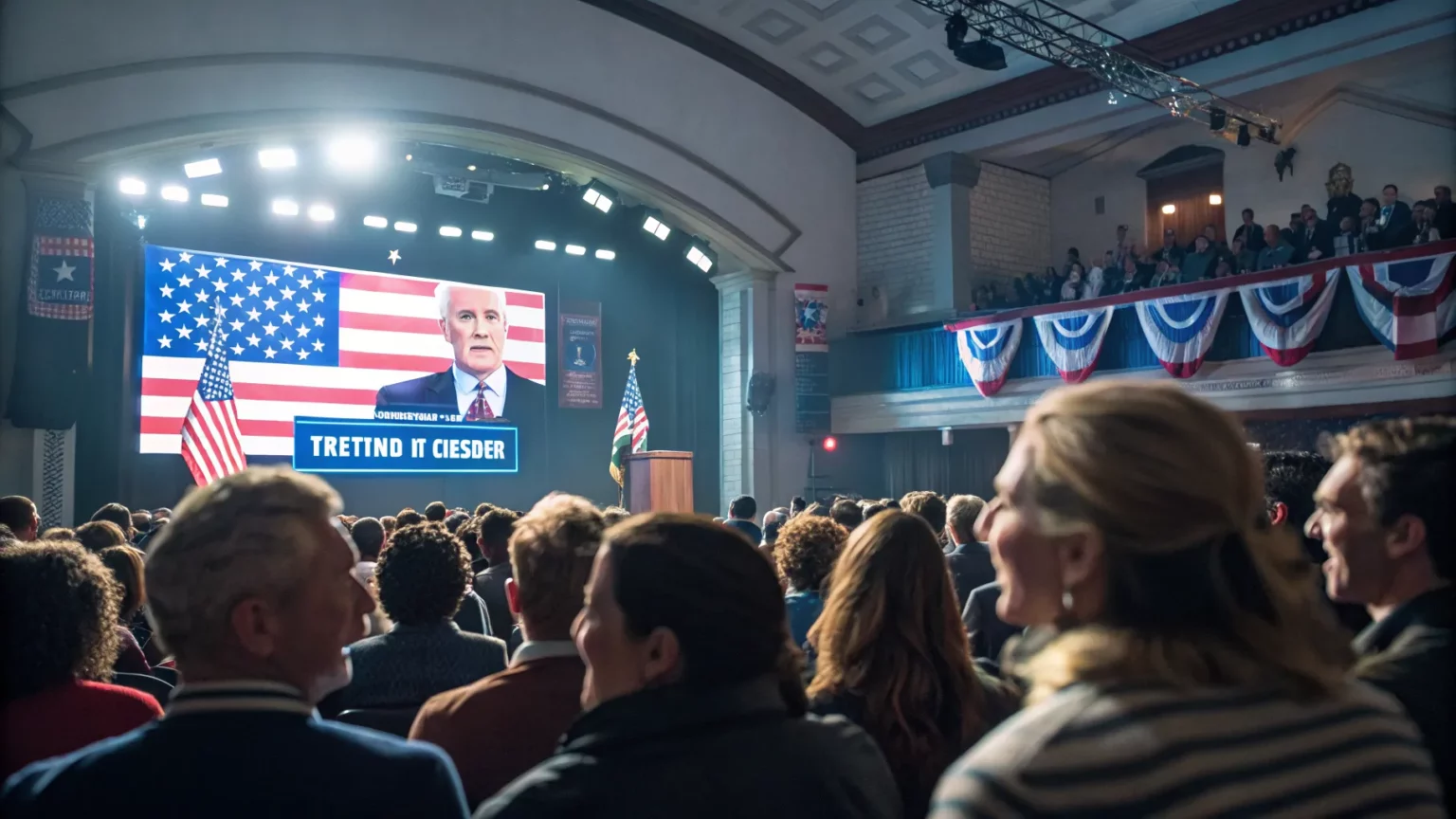
A surprise win in Iowa jolted the GOP on Tuesday, as businessman Zach Lahn edged past Rep. Randy Feenstra, the candidate backed by former President Donald Trump, in the Republican gubernatorial primary. The upset in Des Moines marked an unusual stumble for Trump’s endorsement record in a season that had mostly produced wins for his preferred candidates.
Businessman Zach Lahn’s win in Iowa’s Republican gubernatorial primary over President Donald Trump’s pick, Rep. Randy Feenstra, delivered a rare electoral setback for Trump in a primary season that had previously handed him back-to-back victories.
The result resets the race for Iowa governor and raises fresh questions about the pull of national endorsements in a contest shaped by local concerns. It also gives Republicans a new standard-bearer heading into the general election, while Democrats and independents watch for signs of voter mood in a key Midwestern state.
How the Upset Happened
The margin was described as narrow. That suggests both campaigns built sizable coalitions and that late-deciding voters may have played a role. Lahn, a political newcomer, presented a challenge to a sitting member of Congress with the backing of a former president.
Endorsements can provide attention, money, and volunteers. Yet they do not replace voter judgment on issues that feel close to home. In Iowa, retail politics and direct outreach have long mattered. Any gap in those efforts can be costly in a low-turnout primary.
Trump’s Endorsement Power Meets a Limit
Trump’s picks had been winning in quick succession this cycle. The Iowa result breaks that streak. It shows that local dynamics can override national influence, even when that influence is strong. Primary voters often reward a message that fits the district or state more than a national brand.
Analysts say setbacks like this tend to prompt campaigns to sharpen their ground game. They also test how far a single endorsement can carry a candidate without distinct policy plans, a local network, and a clear closing message.
What Voters May Have Prioritized
The upset hints that voters weighed Iowa-first issues more than party figures. Economic stability, taxes, schools, and rural investment often rank high in the state. Even without detailed vote data, the tight margin points to a contest decided by persuasion, not only by party identity.
- Local issues can outweigh national endorsements.
- Turnout and late-breaking decisions matter in close primaries.
- Organization and message discipline remain central to victory.
Implications for the Governor’s Race
Lahn’s nomination refocuses the general election. Democrats will likely argue that Republican control has gone too far on social issues or budgeting. Republicans will stress continuity, growth, and stability. The winner will need to address rural and urban priorities, where concerns often differ.



Fundraising, endorsements from state leaders, and the speed of party unity will shape the next phase. Feenstra’s supporters could be key to November if Lahn integrates their priorities into the platform. A swift reconciliation would help Republicans present a single message.
What to Watch Next
Expect closer scrutiny of Trump’s next endorsements. One loss does not define a trend, but future primaries will test where his influence is strongest. Watch for whether Lahn broadens his coalition, adds experienced staff, and releases detailed policy plans.
Also watch for debates. They will reveal contrasts on taxes, education, infrastructure, and agriculture. Voters will look for specifics on property tax relief, water quality, and workforce needs. Clear answers could decide swing areas in the fall.
The Iowa result offers a simple lesson: endorsements help, but they do not vote. Ground strategy, message clarity, and trust at the local level still decide close races. As campaigns regroup, the next test is whether party leaders can align behind the nominee and whether opponents can present a credible alternative. Voters will have the final word in November.