




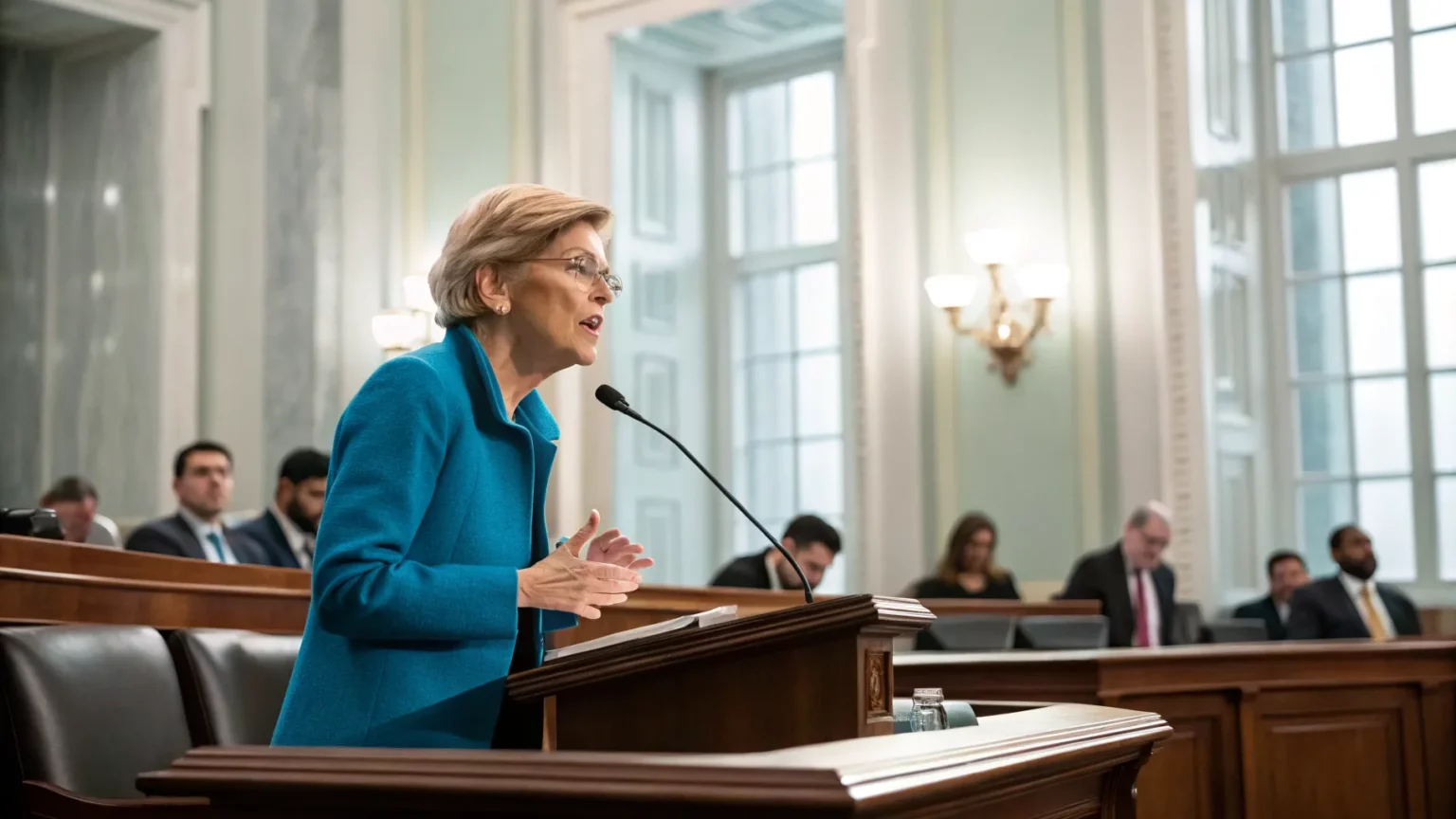
Sen. Elizabeth Warren is urging federal market watchdogs to examine oil trading that occurred just before Trump administration statements about a possible ceasefire tied to Iran. The request centers on whether traders gained from advance knowledge of high-impact policy news. The call puts fresh pressure on regulators to review price swings in one of the world’s most watched markets.
Warren, a Democrat from Massachusetts, asked the Commodity Futures Trading Commission to open an inquiry into oil futures activity. The concern is that market moves ahead of the announcements may point to manipulation or misuse of nonpublic information. The CFTC oversees futures and options trading and can bring civil cases if it finds wrongdoing.
What Prompted the Concern
Warren asked the agency to investigate “unusual trading patterns” in oil futures that took place immediately before announcements of a potential ceasefire in the Iran war.
The timing is the core issue. Oil prices can shift within seconds when headlines suggest risk has eased in the Middle East. A ceasefire, even a potential one, can push prices lower by reducing supply fears. If trading spikes just ahead of such news, it can raise red flags for regulators.
Warren’s request signals worry that a handful of traders could have profited from a policy shift before it was public. That would raise questions about fair access to information and the integrity of price discovery.
How the CFTC Polices Market Abuse
The CFTC enforces rules against fraud, manipulation, and spoofing. It can subpoena records, interview market participants, and seek penalties in court. Oil futures on major exchanges fall squarely under its watch.
Regulators often look for patterns across accounts, timing of large orders, and links to news events. They also review communications to see if nonpublic information guided trades. Many probes end with no action if regulators find a benign explanation.
- Manipulation cases require proof of intent and a scheme.
- Insider misuse can involve leaks of government decisions.
- Legitimate hedging and high-volume trading can mimic “unusual” moves.
Market Context and Possible Explanations
Oil markets are sensitive to conflict in and around the Persian Gulf. Prices often jump on threats to supply and fall on signs of easing tensions. Traders build positions around scheduled events, but surprise policy signals can still catch markets off guard.
Analysts say sharp price moves before news can result from algorithms reacting to early chatter, routine hedging by producers, or simple coincidence. Industry groups often argue that deep liquidity and diverse strategies explain most unusual prints. They also note that many traders act on public hints, not secret tips.



What’s at Stake for Investors
If the CFTC opens a formal probe and finds misconduct, it could lead to fines, trading bans, or referrals to prosecutors. Even without charges, the review could prompt tighter controls on how policy news is handled inside government.
For energy companies and consumers, confidence in fair pricing matters. Gasoline costs and corporate budgets depend on credible benchmarks. A perception of rigged markets can reduce trust and hurt participation.
Looking Ahead
The next steps rest with the CFTC. The agency typically declines to comment on potential investigations. If it proceeds, it will likely request trade data from exchanges and large firms, then compare activity against the timing of government statements.
Key questions include who traded, what information they relied on, and whether any government source tipped off market participants. Clear answers could shape future controls on market-sensitive announcements.
Warren’s push highlights a broader concern: policy headlines can shift billions of dollars in minutes. Regulators, traders, and the public will watch for signs that the playing field remains level, and that future government communications do not create unfair advantages.