


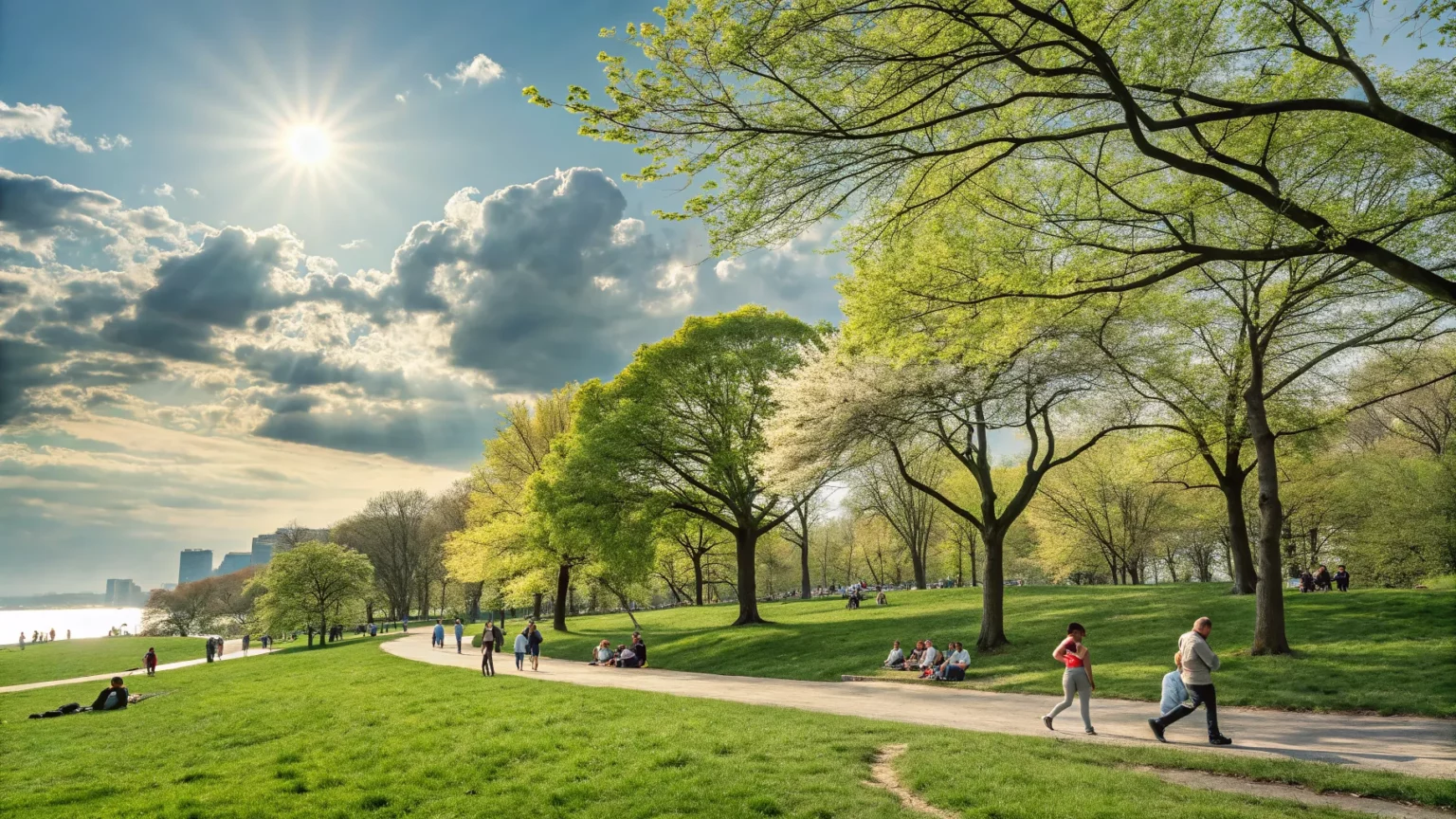
Unseasonable warmth is set to press across the East Coast this week, pushing many states into summer-like conditions while it is still April. Forecasters expect several days of above-average temperatures, raising concerns for health, power demand, and early wildfire risk.
The heat will build from the Mid-Atlantic through New England and parts of the Southeast. It could arrive quickly and last through multiple afternoons. Officials are urging residents to plan for heat safety much earlier than usual this year.
“Summer is here…in April? Many East Coast states will see unusually hot days this week.”
What To Expect And When
Forecast models point to a warm air mass parked over the region for much of the week. Afternoon highs may feel more like midsummer, especially in urban areas where heat lingers into the evening. Nighttime cooling may be limited in dense cities, which increases heat stress for people without air conditioning.
Humidity could climb in some areas, increasing the heat index and making it feel hotter than the thermometer reads. Beach communities may get some relief from onshore breezes, while inland valleys and city centers heat up the most.
Why This Matters So Early
Early-season heat can catch people off guard. Schools, outdoor workers, athletes, and older residents may not yet be in a warm-weather routine. Many buildings still rely on spring ventilation and have not shifted to cooling systems. That mismatch can compound heat risks.
Power demand typically jumps during warm spells, stressing electrical grids. Utilities often prepare for spikes in afternoon usage as customers turn on air conditioners. Transit systems and road crews can also face equipment strain in unusual heat.
Health And Safety Concerns
Public health experts warn that heat illness often increases during the first hot stretch of the year. Bodies are not yet acclimated, making dehydration, heat exhaustion, and heat stroke more likely.
- Limit outdoor activities during peak afternoon heat.
- Drink water regularly and avoid excessive alcohol.
- Check on older neighbors and those with chronic illnesses.
- Never leave children or pets in parked cars.
Coaches and employers may need to adjust schedules, add rest breaks, and provide shade and cooling areas. Cities often consider opening cooling centers if conditions worsen.



Signals From A Warming Climate
Climate scientists have documented longer warm seasons and more frequent heat waves across the United States. Early-year hot spells have become more common in recent decades. While any single event has many causes, a warming climate stacks the odds for earlier and more intense heat.
Research shows nighttime temperatures are rising faster than daytime highs in many areas. That limits recovery from heat stress and raises health risks. Urban heat islands, created by concrete and limited tree cover, add to that trend.
What Communities Are Watching
School districts are tracking classroom temperatures and athletic schedules. Emergency managers are preparing cooling resources in case the heat lingers. Hospitals and clinics are on alert for a rise in heat-related visits. Power companies monitor load forecasts and plan for peak demand hours.
Wildfire officials will keep an eye on dry brush in inland zones. Heat paired with gusty winds can raise fire danger, even early in the season. Local burn restrictions may tighten if conditions dry out.
The Road Ahead
Heat episodes in spring can set the tone for summer planning. Cities are expanding tree planting, reflective roofing, and shaded transit stops to cool neighborhoods. Schools are assessing ventilation and hydration policies before final exams and graduations.
Residents can prepare now by testing air conditioners, stocking up on water, and learning the signs of heat illness. Communities that plan ahead tend to reduce emergency calls when the next hot spell arrives.
As the week unfolds, the key questions are how long the heat will last and whether it will challenge local records. Even if records hold, the early warmth is a clear signal to stay ready. If conditions persist, watch for air quality alerts, grid stress, and schedule changes at schools and workplaces. Early action can keep a spring heat wave from turning hazardous.