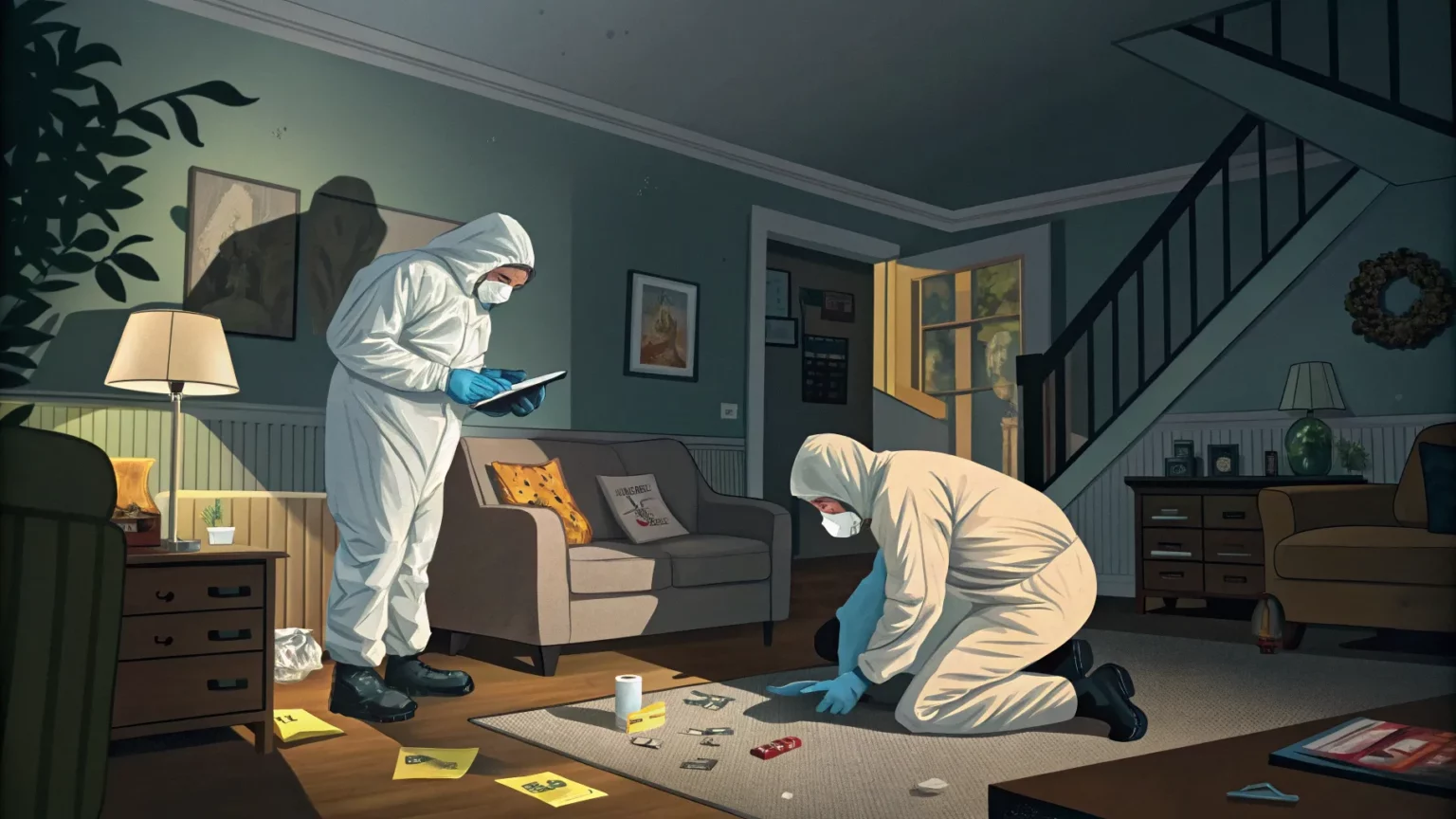
Authorities are investigating after remains were discovered in two locations inside a residence, a rare and disturbing find that has prompted a careful forensic review and a police inquiry into how they got there.
Investigators said the discovery occurred during a search of the home. They are working to establish when the remains were placed inside, whether they are from one individual or more, and if a crime occurred.
“The remains were found in a bedroom closet and the attic, authorities said.”
What Investigators Are Examining
Detectives will focus first on identifying the remains. In cases like this, medical examiners often begin with visual assessment, then use dental records, fingerprints, or DNA to confirm identity.
They will also look at the condition of the remains, the environment in which they were stored, and any objects nearby. Those details can help estimate time in the residence and suggest whether concealment was deliberate.
Police typically secure the scene, document each room, and collect samples for lab analysis. That work can take days, and results may take longer, depending on lab capacity and the quality of evidence.
Context From Similar Cases
Finds inside private homes are unusual but not unheard of. In past investigations across the country, evidence hidden in closets, crawl spaces, or attics has helped determine foul play, accidental death, or long-term abandonment.
Forensic timelines vary. If DNA is available and there are profiles on file, identification can move quickly. If not, investigators may turn to anthropological analysis to estimate age, sex, ancestry, and any past injuries or surgeries.
Authorities often review missing persons reports from the region and beyond, comparing timelines and physical details. They may also check property records and speak with current and former occupants.


Key Questions Ahead
- Are the remains from one person or multiple individuals?
- How long were they in the home, and were they moved?
- Is there evidence of a crime or an attempt to hide evidence?
- Do missing persons cases in the area match any initial findings?
Community Safety and Communication
Cases involving remains often raise public concern. Police usually provide periodic updates once they confirm facts, balancing transparency with the need to protect the investigation.
Neighbors may see increased police presence while evidence teams work. Officers sometimes conduct door-to-door interviews to learn who had access to the residence and whether anyone observed unusual activity.
Officials typically remind the public not to share unconfirmed information online, as rumors can complicate witness accounts and hinder the case.
Inside the Forensic Process
Medical examiners assess whether trauma is present and if it occurred before or after death. Toxicology tests, when possible, can indicate drug exposure or poisoning. In some cases, the condition of the remains limits testing, and investigators use circumstantial evidence to fill gaps.
Analysts may also examine fibers, dust, or insect activity from the attic and closet to estimate time since placement. These methods, while technical, can narrow the window investigators are working with.
What Comes Next
Authorities are likely to release more details after the medical examiner completes preliminary findings. If identification is made, next of kin notifications will come before any public disclosure.
Investigators could seek warrants for digital records, including phone data and online activity tied to the residence. They may also compare any fingerprints gathered to state and federal databases.
This inquiry will turn on careful lab work and patient evidence collection. The discovery of remains in both a closet and an attic suggests multiple scenes within one property, which can reveal separate timelines or actions.
For now, the focus is on confirming identity, establishing cause and manner of death, and determining whether anyone should face charges. Further updates are expected as testing results return and interviews progress.