




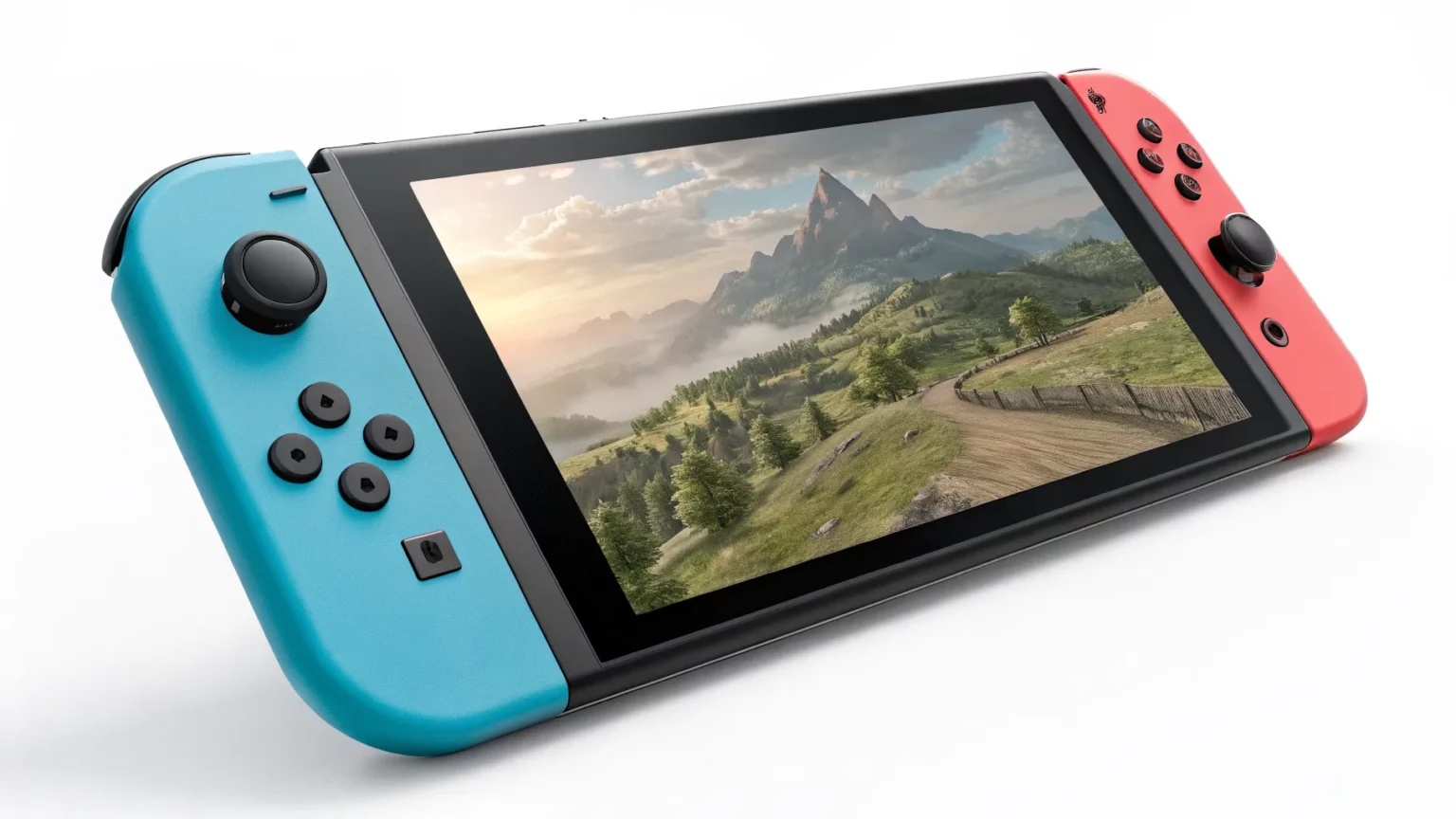
Nintendo has reduced near-term production plans for its next console after weaker demand signals in the United States. The shift comes as the company readied an aggressive build for a successor to the Switch. The decision affects output for the current quarter and hints at a more cautious launch curve for the device widely referred to as Switch 2.
The initial plan called for millions of units, with suppliers and assemblers preparing to ramp. But projections were cut when U.S. interest came in softer than expected, according to internal planning details described in a briefing.
Nintendo planned to produce 6 million Switch 2 consoles this quarter but had to scale back after U.S. demand weakened.
Why It Matters
The United States is Nintendo’s largest single market for hardware and software revenue. A softer read on pre-launch demand there can shape global manufacturing, shipping, and retail allocations. Pulling back early helps avoid excess inventory and steep markdowns later, but it may also limit day-one availability and momentum.
The timing is sensitive. The original Switch, launched in 2017, has sold more than 140 million units, making it one of the best-selling game consoles in history. That success set a high bar for any successor. Investors and partners have been watching for signs that Nintendo can convert its huge base to a new system without a long sales gap.
Reading the U.S. Consumer Signal
Retailers rely on preorders, wish lists, and marketing tests to gauge interest. Softer readings can reflect a few forces happening at once. Households face higher prices in other categories, which can delay big-ticket purchases. Many owners may still be satisfied with current Switch models, especially with strong first-party games still arriving.
Competition for attention has also intensified. Sony’s PlayStation 5 has a large installed base, and PC handhelds such as the Steam Deck and rival devices have carved out a niche. These options can weigh on early demand for a new Nintendo system if pricing or features are not yet clear.
Production Strategy and Supply Chain
Building 6 million units in a single quarter would have been a strong opening stance. Scaling back suggests a more measured approach to launch logistics, marketing, and software scheduling. It also reduces the risk of tying up working capital in unsold inventory.
Supply chains for consoles are now steadier than during the pandemic, but lead times for chips, displays, and storage remain meaningful. Adjusting output now gives suppliers time to re-plan capacity without severe disruption. It can also shift marketing resources to periods with stronger seasonal demand, such as the holiday quarter.



Game Lineup and Upgrade Math
Hardware demand is closely linked to software. The Switch generation showed how exclusive titles can move consoles, from The Legend of Zelda to Mario Kart. A clear launch slate for the next system will be central to convincing current owners to upgrade and drawing in new buyers.
- Exclusive launch titles can lift early adoption.
- Cross-generation support can reduce purchase urgency.
- Backward compatibility can ease transition and add value.
Pricing will also matter. A higher starting price would put more pressure on the lineup to justify the jump, while a lower price could widen the audience but squeeze margins.
Retailers and Developers Adjust
Retailers plan floor space, staffing, and promotions months ahead. A lower initial allocation means fewer in-store demos and smaller preorder waves. Developers time releases to align with hardware cycles; a slower start may push some titles to later windows to gain a larger installed base.
Analysts often recommend pacing supply with clear demand signals in the first two quarters. That can set a healthier sales curve and reduce returns. It can also keep interest high if restocks are steady rather than scarce or glut-filled.
What to Watch Next
Key indicators in the coming weeks include preorder levels, marketing rollouts, and any updates on launch timing. Third-party publisher commitments and accessory partner activity can also signal how confident the channel is in near-term demand.
If U.S. demand firms with more details on price, features, and games, production can scale back up quickly. If softness persists, Nintendo may lean on staggered regional launches, tighter bundles, or promotional pricing tied to major software drops.
For now, the company appears to be prioritizing discipline over speed. That approach may cost some early headlines, but it can protect margins and set a steadier course for the year. The next major update on the console’s lineup and availability will likely determine whether this pause is brief or a sign of a slower build.