




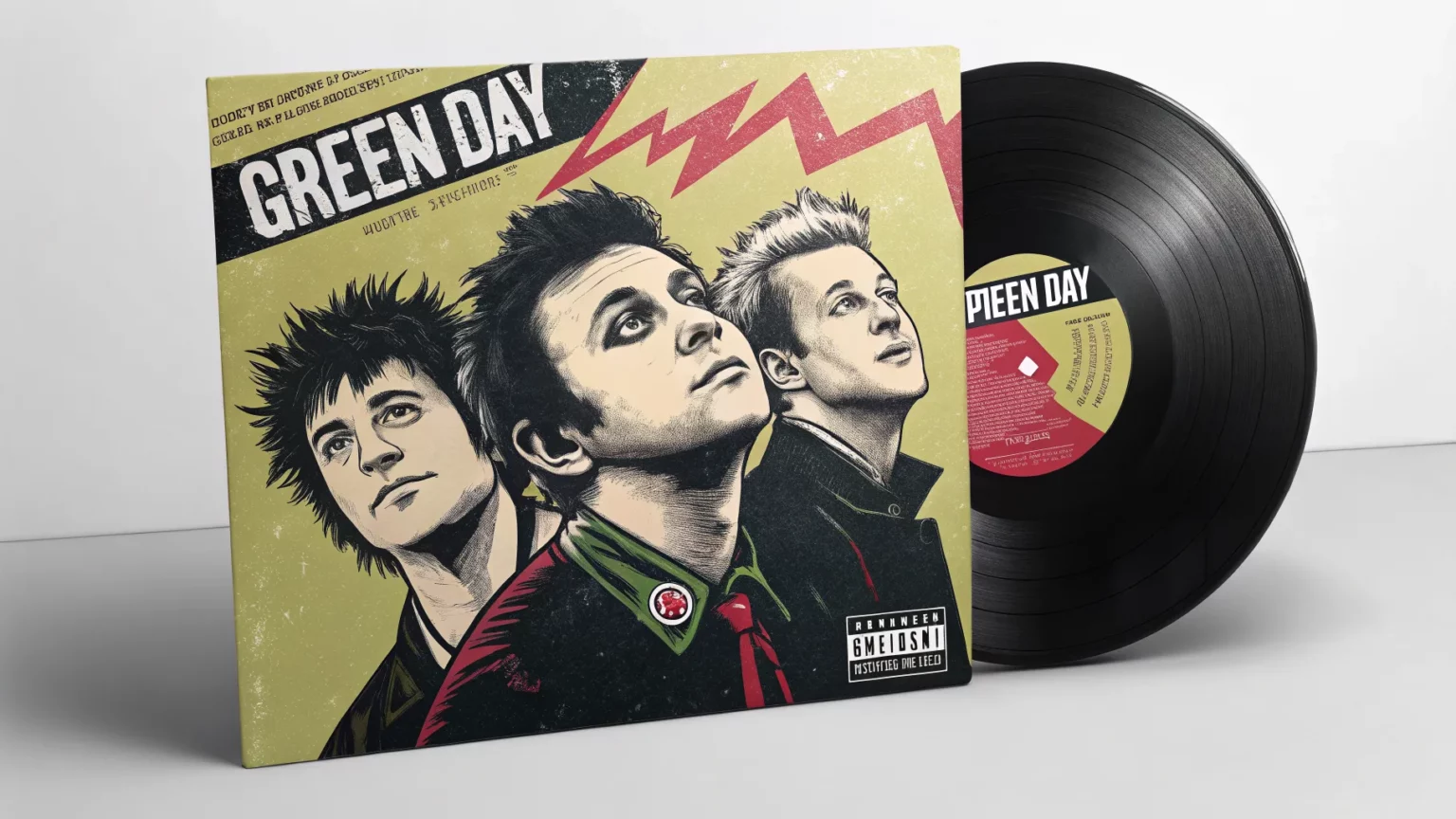
A newly announced, officially licensed cover of a Green Day anthem has arrived, breaking a near three-decade drought and stirring old-school punk fans and younger listeners alike.
The news signals a rare opening in one of rock’s most guarded songbooks. It also hints at how a classic can find new life for a fresh audience.
Details remain tightly held, but the release is authorized for commercial use, setting it apart from the countless live renditions and school-band versions that ripple across the internet.
This marks the first official cover of Green Day’s timeless anthem in nearly 30 years.
Why This Cover Matters
Green Day’s rise from Bay Area clubs to global stages reshaped mainstream punk in the 1990s. Their songs still soundtrack graduations, locker rooms, and late-night drives.
Fans have long recorded tributes, yet few covers have carried a formal green light for wide release. That scarcity adds weight to this moment.
An official cover can reset a song’s cultural clock. It can return the chorus to radio, playlists, and TV syncs, sometimes with a whole new mood.
Licensing experts say official covers help labels test demand for a catalog without betting on a full reissue campaign. It is low risk and very visible.
A Look Back at Green Day’s Influence
Since the mid-1990s, Green Day has sold tens of millions of records worldwide and won multiple Grammys. Their hits moved from mosh pits to award shows without losing bite.


The band bridged rebellious riffs with big hooks. That mix helped punk cross into malls and minivans while keeping its punch.
Over the years, artists across genres have nodded to that sound. Pop singers borrowed the chord progressions. Country writers borrowed the storytelling. Drummers borrowed the fills.
Still, official covers have been rare events, which is why this release lands with extra heft.
What “Official” Means In Practice
In simple terms, an official cover is cleared by rights holders and distributed on major platforms. It pays the right people and can be pitched for film, TV, and ads.
Unlike a live performance or a viral clip, this version gets the machinery of promotion. That includes marketing budgets, playlist strategy, and performance tracking.
Clearance also helps with long-term placement. Music supervisors often prefer songs with clean paperwork. That can lead to sports montages or prestige drama finales.
Fans benefit too. An official track is easier to find, stream, and share. It shows up in search, charts, and curated lists instead of getting lost on fan pages.
Reactions, Risks, And Rewards
Early chatter from fan forums flagged two big hopes: respect for the original and a twist that feels earned. No one wants a carbon copy or a clumsy remix.
There is always a risk. Covers can split listeners who grew up with the first version. Yet they can also bring in new ears who never hit play on a 90s CD.
Labels watch a few signals after launch. Streams in the first week. Save rates on playlists. Social comments that show repeat listening instead of drive-by clicks.
If those signals pop, expect more catalog moves. A well-timed follow-up cover, a deluxe edition, or a themed live session can follow.
What To Watch Next
- Placement on major editorial playlists in the first 72 hours.
- Any teaser hinting at a video, acoustic version, or remix.
- Chart movement for the original song as curiosity spikes.
- Sync usage in sports broadcasts or streaming series.
Green Day’s songs have a habit of cycling back just when a generation needs an anthem. If this cover lands, it could spark a small rush on 90s punk staples.
It might also nudge other legacy acts to open select tracks to fresh takes. Not everything needs a remake, but the right one can carry a chorus another 30 years.
For now, the focus rests on this single release. The next few weeks will show if the song wins hearts again, this time through a new voice and a familiar shout-along hook.