



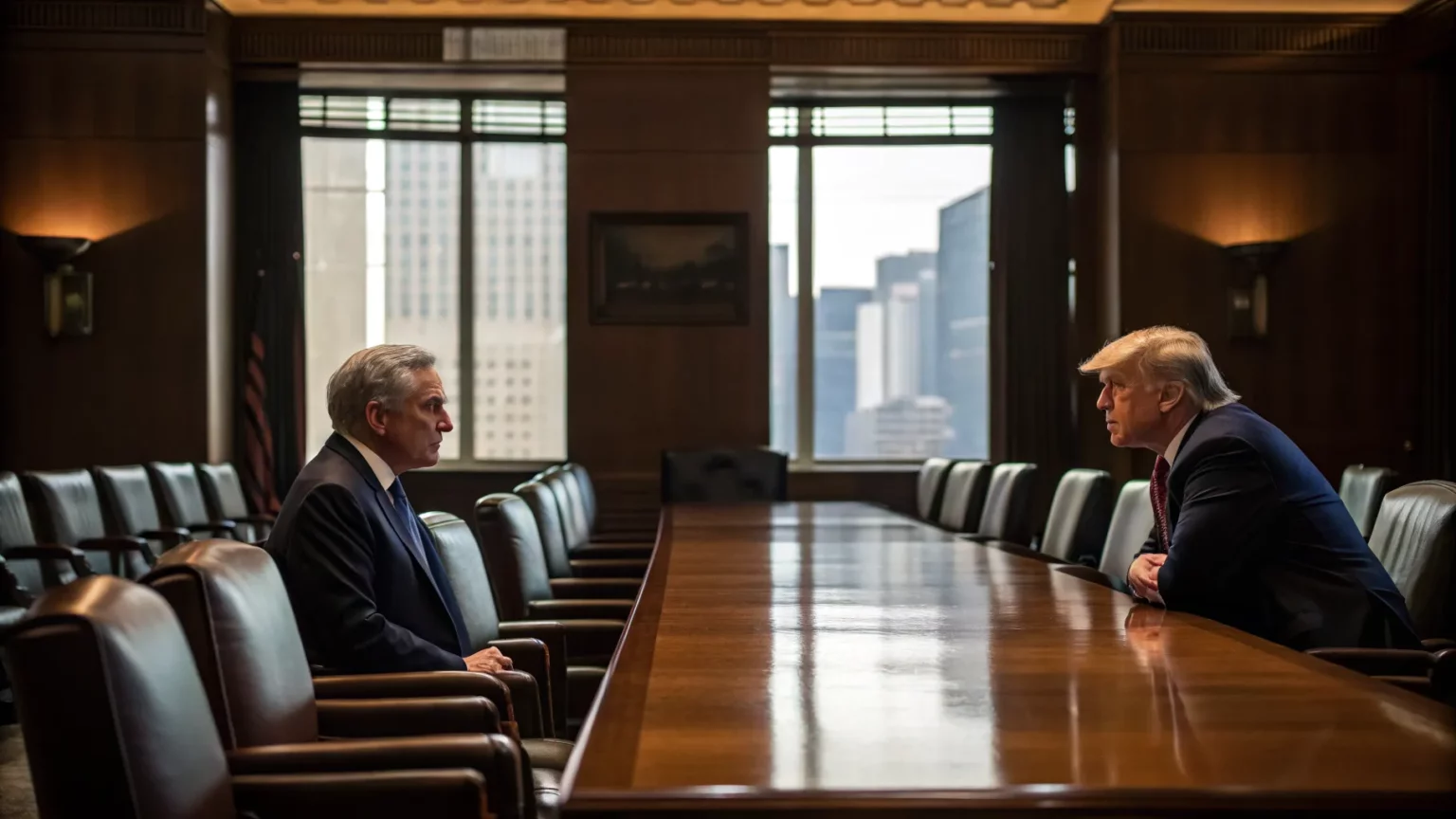
Signaling a hard line on monetary policy, former President Donald Trump has said he expects the next Federal Reserve chair he appoints to move quickly to cut interest rates. The comment reignites a long-running debate over central bank independence and the role politics should play in setting the price of money. It also raises fresh questions for markets, homeowners, and voters about how soon borrowing costs might fall and at what risk.
“He expects his choice for Federal Reserve chair to quickly cut interest rates once he takes office.”
Why This Matters Now
The Fed’s benchmark rate sits at a two-decade high after a rapid tightening cycle that began in 2022 to fight inflation. Price growth has cooled from its peak but remains above the central bank’s 2% target on some measures. High rates have lifted mortgage payments, credit card balances, and business financing costs, while also helping tame inflation pressures.
Any push from the White House to speed cuts would test the Fed’s arm’s-length posture. The central bank was designed to make technocratic decisions insulated from day-to-day politics. That buffer is meant to prevent short-term gains—like cheaper loans before an election—from fueling longer-term problems, such as a rebound in inflation.
The Power To Appoint—and Its Limits
A president can name the Fed chair, vice chair, and governors, subject to Senate confirmation. Those appointments shape policy for years. Chair Jerome Powell’s term as chair runs through early 2026, a timeline that could collide with a new administration’s preference on rates. A new president could reappoint a different chair when a term expires or nominate new governors, shifting the committee’s balance.
Even so, the Federal Open Market Committee votes as a group. No chair can cut rates alone. Market reaction, inflation data, and employment trends also act as guardrails on how far and how fast policy can change.
Flashbacks: Politics and the Fed
Presidential pressure on the Fed is not new. Richard Nixon leaned on Chair Arthur Burns in the early 1970s, a move many historians link to the inflation spiral that followed. More recently, Trump repeatedly criticized Powell on social media and in interviews, calling for deeper cuts in 2019 when inflation was subdued and growth was slowing.
Those episodes highlight the trade-off facing policymakers: cut too soon and risk reigniting price spikes; wait too long and risk choking off growth and jobs. Today’s inflation is lower than at its 2022 peak, but services prices and wages remain sticky in many sectors.
What Rate Cuts Could Mean For Households
Faster rate cuts would likely lower borrowing costs across the economy. Mortgage rates could ease, though not always one-for-one with the Fed’s moves. Businesses, especially small firms reliant on variable-rate loans, would get some relief. The stock market might cheer, at least initially, as investors price in cheaper money and higher earnings.



The risk is that looser policy before inflation fully cools could reverse recent progress. If inflation expectations tick up, long-term bond yields could rise even as the Fed cuts, blunting any benefit for mortgages and car loans.
Economists Weigh the Trade-Offs
Many economists argue the Fed should stick to data. That means looking at inflation trends, wage growth, and slack in the labor market, then moving in measured steps. Former officials often warn that public pressure can backfire, triggering market volatility and forcing the central bank to prove its independence.
Supporters of faster easing counter that high rates weigh most on lower- and middle-income borrowers. They point to moderating inflation and pockets of weakness in interest-sensitive sectors like housing and manufacturing.
- Lower rates could boost refinancing and home sales.
- Cheaper credit may lift hiring but risk warmer inflation.
- Persistent services inflation complicates rapid easing.
What Markets and Voters Should Watch
Bond market inflation expectations offer an early warning signal. If they drift higher amid political pressure, the Fed may have less room to cut. Monthly inflation reports and wage data will shape the path more than slogans or sound bites. Senate confirmation hearings for any new Fed nominees would also reveal how closely candidates align with a faster-cut agenda.
For now, the message is clear: a new administration would seek a chair inclined to lower rates quickly. Whether that happens will hinge on the data, the Senate, and how firmly the Fed defends its independence.
Bottom line: cheaper money is tempting, especially with borrowers under strain. But the playbook that protects long-term stability has not changed. Watch inflation reports, signals from Fed officials, and any nomination fight. That trio will tell the real story of where rates go next.