




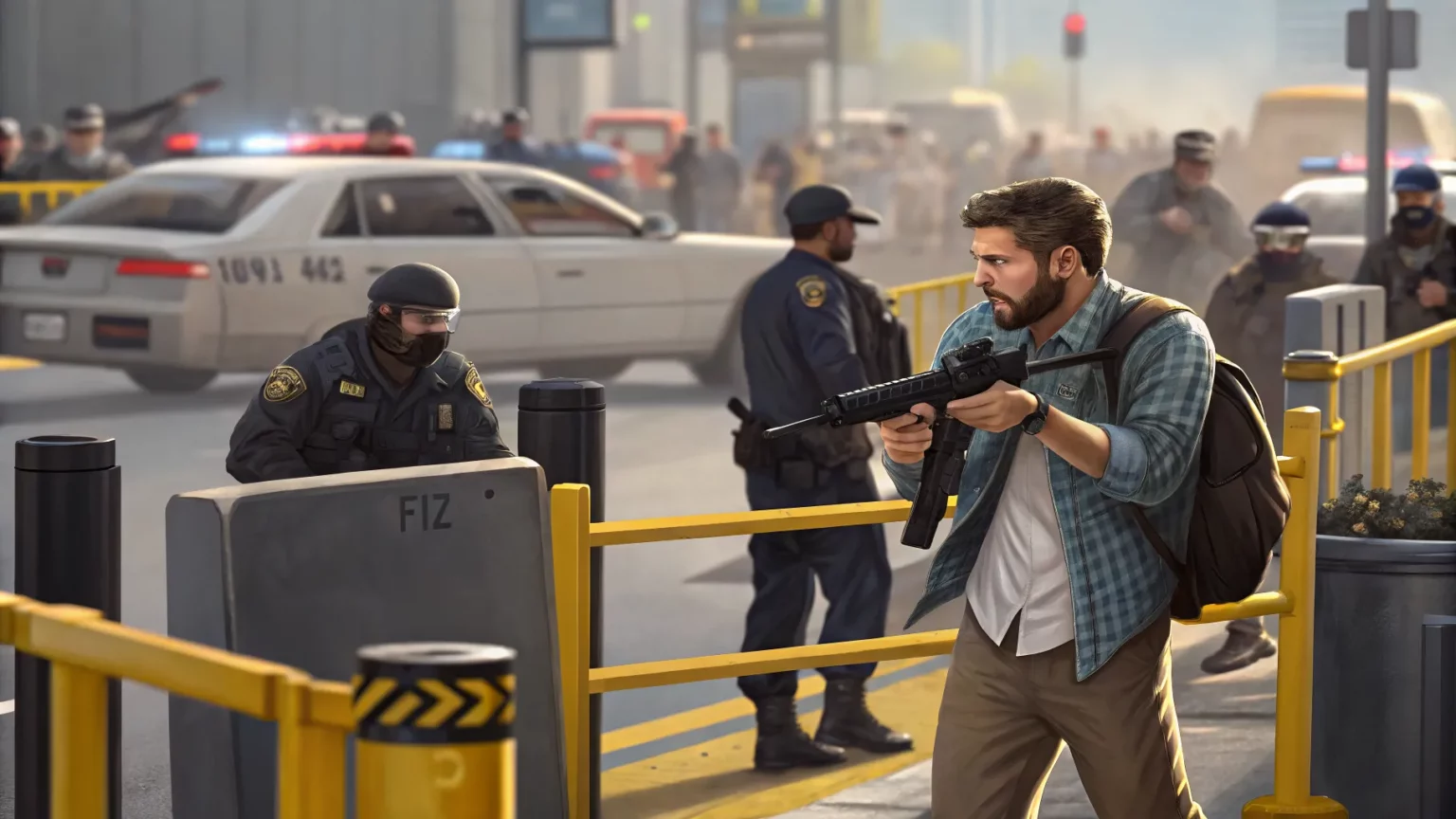
A 31-year-old man identified as Cole Thomas Allen is accused of charging a security checkpoint while armed and trading gunfire with police, raising fresh questions about screening and public safety. Authorities are working to confirm the sequence of events and assess how the incident unfolded and why.
An initial account states,
“Cole Thomas Allen, 31, is accused of rushing a security checkpoint armed with a shotgun, handgun and several knives, and exchanging gunfire with police.”
Officials have not released full details about the setting, timing, or any injuries. Investigators are examining how the weapons were obtained and carried, and whether warning signs were missed.
Rising Concerns Over Weapons at Checkpoints
Security checkpoints at transportation hubs, public buildings, and large events are designed to detect and stop weapons before violence occurs. Yet the volume of firearms intercepted at checkpoints has climbed in recent years. The Transportation Security Administration reported a record number of guns found at airport checkpoints in 2023, most of them loaded.
Experts say this trend strains front-line security. Screening teams must process large crowds while watching for small but dangerous items. Even one breach can cause a shutdown, evacuations, and fear. When an armed suspect confronts officers, the risk escalates in seconds.
Standard practice calls for rapid isolation of the threat, clear commands, and, if needed, armed response. After any such clash, departments conduct a review to learn what worked and what failed.
What Investigators Will Seek to Establish
Cases like this hinge on evidence gathered in the immediate aftermath. Video footage, witness accounts, and ballistics testing can clarify intent and timing. Prosecutors also weigh mental health history and prior criminal records, if any, when deciding charges.
- Where the incident occurred and the exact timeline.
- How the weapons were carried and displayed.
- Whether officers issued commands before shots were fired.
- Any injuries to civilians, officers, or the suspect.
- Motive, planning, and potential accomplices.
Public communication is key. Clear updates help calm rumors and support any call for witnesses. If the location is a busy transit hub or public venue, leaders may also revisit staffing, training, and screening equipment.



Legal Stakes and Officer Response
If confirmed, the conduct described could bring serious charges, including assault with a deadly weapon, unlawful possession of firearms, and attempted murder of a peace officer. Prosecutors often file multiple counts to reflect each weapon, each shot, or each threatened person.
Use-of-force reviews examine whether officers followed training, used cover, and minimized risk to bystanders. Many agencies now release edited body-camera video within days to build trust while protecting the integrity of the case.
Defense attorneys in similar cases may argue questions about intent, capacity, or self-defense. Courts then weigh the facts presented by both sides and any expert testimony on weapons, ballistics, or mental health.
Public Safety and Policy Debate
Incidents at checkpoints often renew debate over screening methods and gun policy. Security leaders consider whether to add officers, change traffic flow, or deploy new detection tools. Community groups press for measures that balance safety with civil liberties and fair treatment.
Some advocates call for stronger safe-storage laws and better tracking of stolen guns. Others focus on early intervention, including mental health support and threat assessment teams. The aim is to identify risks before they reach a crowded gate or doorway.
What Remains Unknown
Key facts are still missing, including the location, the condition of those involved, and the motive. Authorities have also not said whether any prior warnings were reported.
Officials are likely to release more information after key interviews and evidence reviews. Any security changes, temporary closures, or policy shifts will follow those findings.
The reported account of an armed rush on a checkpoint will draw careful scrutiny in the days ahead. The case will turn on video, witness statements, and forensic tests. For now, the focus is on confirming the facts, supporting those affected, and learning how to prevent the next attempt. Readers should watch for updates on the location, charges filed, and any steps taken to strengthen checkpoint safety.