


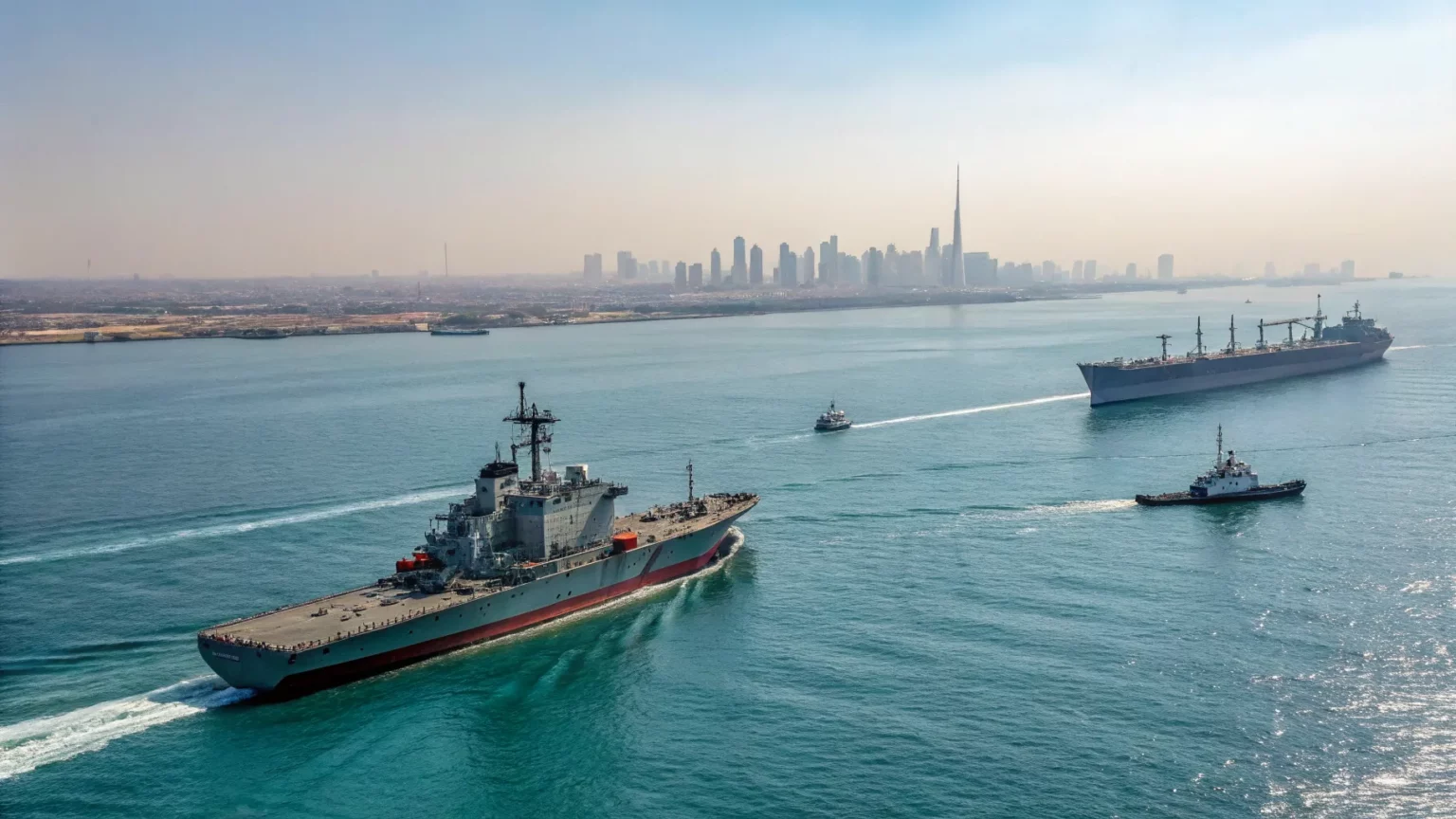
The United States signaled plans to support commercial tankers stuck in the Persian Gulf, as shippers weigh serious safety risks and legal exposure before resuming movement. The pledge comes amid rising tension along vital sea lanes and uncertainty over whether shipowners will accept military escorts or other assistance. Energy traders and insurers are watching closely, since delays through the Strait of Hormuz can ripple across global oil supplies.
“The United States vowed to help tankers navigate the perilous conditions that have kept them stranded in the Persian Gulf, but it remained unclear if companies would try to get out.”
What Prompted the Pledge
The Persian Gulf and the Strait of Hormuz are among the most sensitive waterways in global trade. Roughly a fifth of the world’s oil moves through this chokepoint in a typical year. Any threat to shipping can spark higher freight rates, rising insurance costs, and price swings in crude and refined fuels. The U.S. offer reflects concerns that a standoff at sea could slow energy deliveries and strain regional security ties.
Escorts, surveillance, and route guidance have been used in past crises. Governments have also coordinated convoys and shared intelligence with ship captains. Whether a similar approach will work now depends on the risks shipowners face and the assurances they receive from naval forces and insurers.
Risks Facing Shippers
Companies are assessing a mix of physical and financial hazards. Perilous conditions can include threats from hostile actors, military miscalculation, or maritime incidents near narrow channels. Even rumors of new hazards can push insurers to reprice coverage overnight.
- Higher war-risk premiums and deductibles for hull and cargo.
- Safety concerns for multinational crews under flags with varied legal protections.
- Potential delays at anchorages and congested transit corridors.
- Exposure to sanctions or compliance pitfalls if routes shift.
Captains and fleet managers usually need clear, written guidance from flag states and insurers before sailing. Without that, many prefer to wait, even with naval escorts available.
Industry Response and Insurance Hurdles
Shipowners tend to move only when three conditions align: insurability, clear rules of engagement, and predictable port access. Underwriters often require detailed risk assessments and may insist on armed guards, convoy timing, or alternate routing. Some charterers will also demand proof that assistance covers not just transit but potential salvage and crew support.
Even with support at sea, operators seek clarity on liability if an incident occurs. They also want to know whether war-risk surcharges can be passed through to cargo owners. These questions influence daily go or no-go calls made by fleet control rooms from Dubai to Athens.
Impact on Energy Markets
The Gulf’s shipping grid affects prices far from the region. Prolonged delays can tighten supplies to Asia and Europe, shifting trade flows to longer routes. That raises costs and can draw down inventories. Traders monitor each day of disruption, recalculating freight spreads and delivery windows. Refiners with just-in-time models face particular strain when sailings slip.


If escorts reduce delays, markets may calm. If tankers stay put, expect higher volatility, steeper freight rates, and wider price differentials between regions. The degree of impact hinges on duration and the number of ships affected.
What Comes Next
For the U.S. plan to work, shippers will look for precise information on routes, escort availability, and coordination with regional navies. They will also want unified guidance from insurers and flag states. Clear communication to crews will be essential.
Key signals to watch include changes in war-risk premiums, announcements of convoy schedules, and satellite tracking that shows whether anchorages are clearing. Any move by large fleet operators could set a precedent for smaller firms.
The immediate outlook hinges on whether assistance translates into timely, safe transits. If ships remain at anchor, pressure will build for broader diplomatic steps. If they start moving, confidence may return to one of the world’s most important sea lanes.