



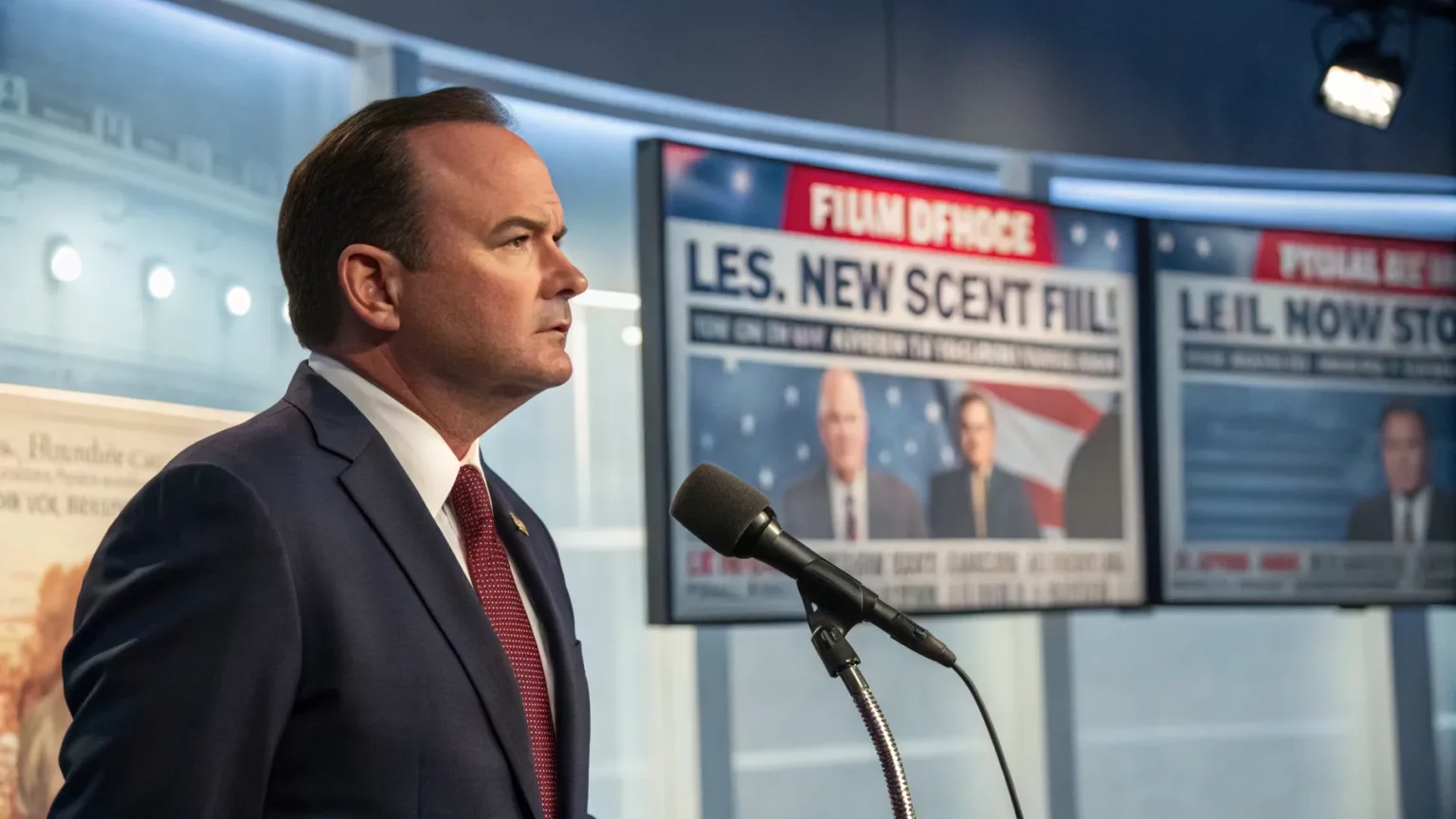
Utah Sen. Mike Lee ignited a storm with a social post that linked the fate of Spirit Airlines to Massachusetts Sen. Elizabeth Warren and compared her to O.J. Simpson, thrusting a policy fight over air travel into a personal and inflammatory arena. The exchange centers on who bears responsibility for the airline’s troubles and how far elected officials should go when making that case online.
Lee’s post circulated widely, drawing attention for its sharp tone and its leap from policy to celebrity scandal. It also revived a long-running dispute over airline consolidation, fees, and the role of antitrust enforcement in keeping fares low and routes plentiful for travelers.
The Flashpoint Post
Lee’s message cast blame and landed with a thud for many readers, who argued it crossed a line. The post, in full, said:
Utah Republican Sen. Mike Lee appeared to blame his Democratic colleague, Massachusetts Sen. Elizabeth Warren, for the abrupt shuttering of Spirit Airlines with a social media post that compared her to O.J. Simpson.
The comparison to Simpson, a figure tied to violent crime and a sensational trial, raised the temperature fast. Democrats called it unfair and personal. Some Republicans cheered the swipe, arguing that aggressive antitrust pressure on airlines has made survival harder for low-cost carriers.
What’s Behind The Fight
Warren has pushed for tougher oversight of airline mergers and fees, arguing that fewer competitors mean higher prices and worse service. She has urged regulators to keep carriers honest on junk fees and to scrutinize tie-ups that could shrink consumer choice.
Spirit has operated as an ultra-low-cost carrier, selling bare-bones fares and charging for extras. Its model has helped pressure bigger airlines on price. At the same time, it has struggled with costs, on-time performance, and financial headwinds. A proposed merger between JetBlue and Spirit was halted in court after a federal challenge, a move praised by antitrust advocates and criticized by consolidation supporters.
Lee’s post tapped into that split. To critics, he personalized a policy debate and muddied the facts. To supporters, he spotlighted what they see as the practical fallout of tougher antitrust enforcement.
Implications For Travelers
If low-cost capacity drops, airfares can rise, especially on routes with little competition. Consumers may see fewer nonstop options and tighter seating on remaining carriers. But supporters of stricter antitrust rules argue that blocking mergers can protect choice over the long run and prevent dominant players from controlling prices.



- Fewer carriers on a route can lift average fares.
- More competition tends to add seats and pressure prices down.
- Service quality can suffer when markets become too concentrated.
The policy trade-off is simple to describe and hard to settle: consolidation can keep a weak airline alive under a bigger brand, yet it can also reduce rivalry that keeps costs in check for families.
Rhetoric, Responsibility, and Risk
The choice to compare a rival senator to a notorious celebrity is not just a jab; it can distort how the public understands a complicated issue. Airline economics hinge on fuel prices, labor deals, aircraft supply, demand swings, and, yes, regulation. Pinning that mix on one lawmaker oversimplifies the story.
Communication scholars often warn that personal attacks can crowd out facts and chill real debate. Lawmakers have a megaphone. When they use it to inflame rather than explain, voters get more heat than light.
What To Watch Next
Airline policy will remain a live fight in Washington. Expect more scrutiny of fees, refunds, and on-time performance. Antitrust officials will continue to weigh deals that promise scale against the risk of higher fares. And senators, on both sides, will keep testing the line between sharp critique and personal insult.
The latest flare-up offers a clear takeaway: aviation policy affects wallets and weekend plans, not just partisan scorekeeping. If leaders want better outcomes for travelers, they may need fewer viral zingers and more plain talk about what actually keeps planes flying and prices fair.
For now, the post did its job—grabbing attention. Whether it helps solve anything for flyers is another story.