




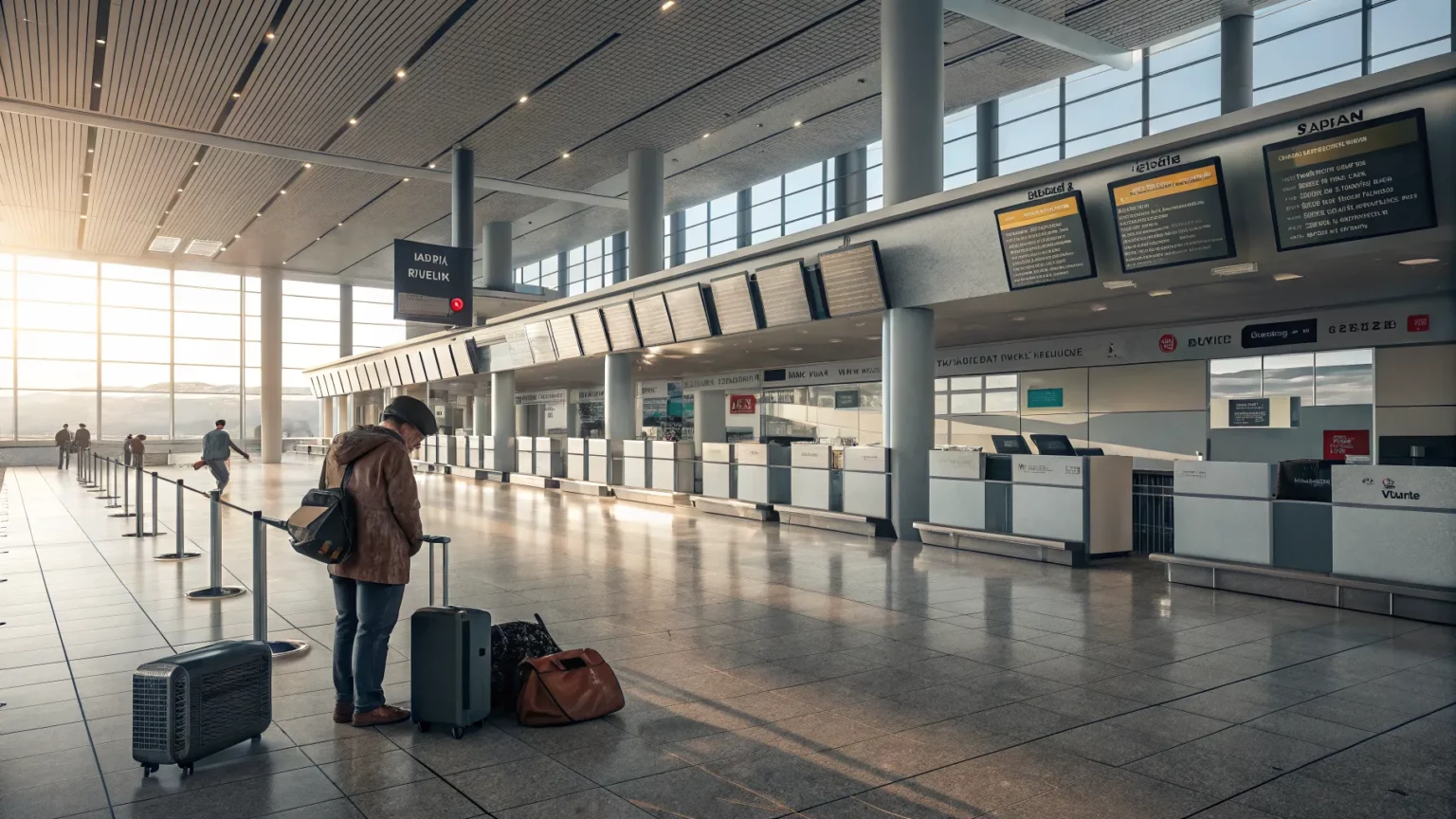
A 34-year-old low-cost carrier has ceased operations after two trips through bankruptcy court and a collapsed rescue bid with the Trump administration. The abrupt shutdown ends a decades-long run for a brand that once bet on rock-bottom fares and lean service to win price-sensitive travelers. The closure leaves customers stranded, workers uncertain, and a crowded market down one competitor as peak travel season looms.
“After two bankruptcies and a failure to strike a last-minute bailout deal with the Trump administration, the 34-year-old budget airline closed up shop.”
The decision caps weeks of urgent talks that did not produce new funding or government support. The carrier did not announce a restart plan or sale of assets at the time of the shutdown.
The Final Hours
Executives had sought bridge financing while negotiating with federal officials. Those efforts fell short, according to people familiar with the talks. Planes were pulled from rotation, and the company directed crews to stand down. Customers learned of cancellations as schedules were wiped from booking systems.
Industry watchers say the airline faced tightening cash, rising fuel costs, and high competition on key routes. Without fresh capital, the company could not maintain operations or reassure suppliers. Lessors reportedly pressed for payments as the carrier’s options narrowed.
Years of Financial Strain
The airline’s business model relied on high aircraft use and fees for extras such as bags and seat selection. That model can succeed during stable periods. It falters when fuel prices jump or demand drops. The company had already sought court protection twice, a sign of deeper structural issues it did not fully fix.
During the Trump administration, airlines received industrywide payroll support under federal relief programs. That aid kept many carriers flying through severe demand shocks. Yet relief did not reach every airline equally, and some smaller players still struggled to access funds or attract private investors.
Analysts point to a cycle many discount carriers face. Low base fares draw customers. But thin margins allow little room for error. A few bad quarters, a spike in maintenance costs, or a lease dispute can tip a company back into distress.
Impact on Workers and Travelers
The shutdown affects pilots, flight attendants, mechanics, and airport staff. Union leaders typically seek protections for wages and benefits during wind-downs. They also push for hiring preferences at other airlines. That process can take months.



Travelers are left with canceled trips and uncertain refunds. Federal rules require airlines to refund passengers for flights the carrier cancels. Processing often takes time, especially when a company’s systems go offline or when it enters legal proceedings.
- Check credit card statements and file a chargeback if refunds stall.
- Document canceled itineraries and receipts for alternative travel.
- Monitor notices from the carrier’s website and federal regulators.
What It Means for the Low-Fare Market
The exit reduces fare pressure on rivals along overlapping routes. That could lift prices in the short term. Larger airlines may add capacity where demand supports it, but they will do so at their own pace.
Fleet and route decisions by other discounters will bear watching. Some may try to absorb displaced crews and aircraft. Others could avoid routes that proved unprofitable, tightening focus on markets with steady leisure demand.
Investors will scrutinize balance sheets across the sector. Lenders have grown more cautious with smaller carriers, especially those with aging fleets or heavy lease obligations. Any new entrants will need stronger cash reserves and clearer paths to profitability.
Regulatory and Political Dimensions
Efforts to secure a last-minute bailout highlight the political risk of company-specific rescues. Broad programs are easier to defend. Targeted aid can stall under scrutiny. Future support, if any, will likely come with stricter conditions and transparency.
Regulators will also focus on consumer protection and competition. The loss of a discounter can reduce fare options. Officials may watch for predatory pricing or capacity moves that harm travelers.
The collapse closes a long chapter for a carrier that tried to survive repeated resets. The immediate priority is caring for stranded passengers and displaced staff. The broader lesson is plain: low fares alone do not guarantee survival. Watch for consolidation moves, hiring by rivals, and any asset sales that reveal which parts of the airline still hold value. The next few months will show whether other budget carriers adjust fast enough to avoid a similar fate.