




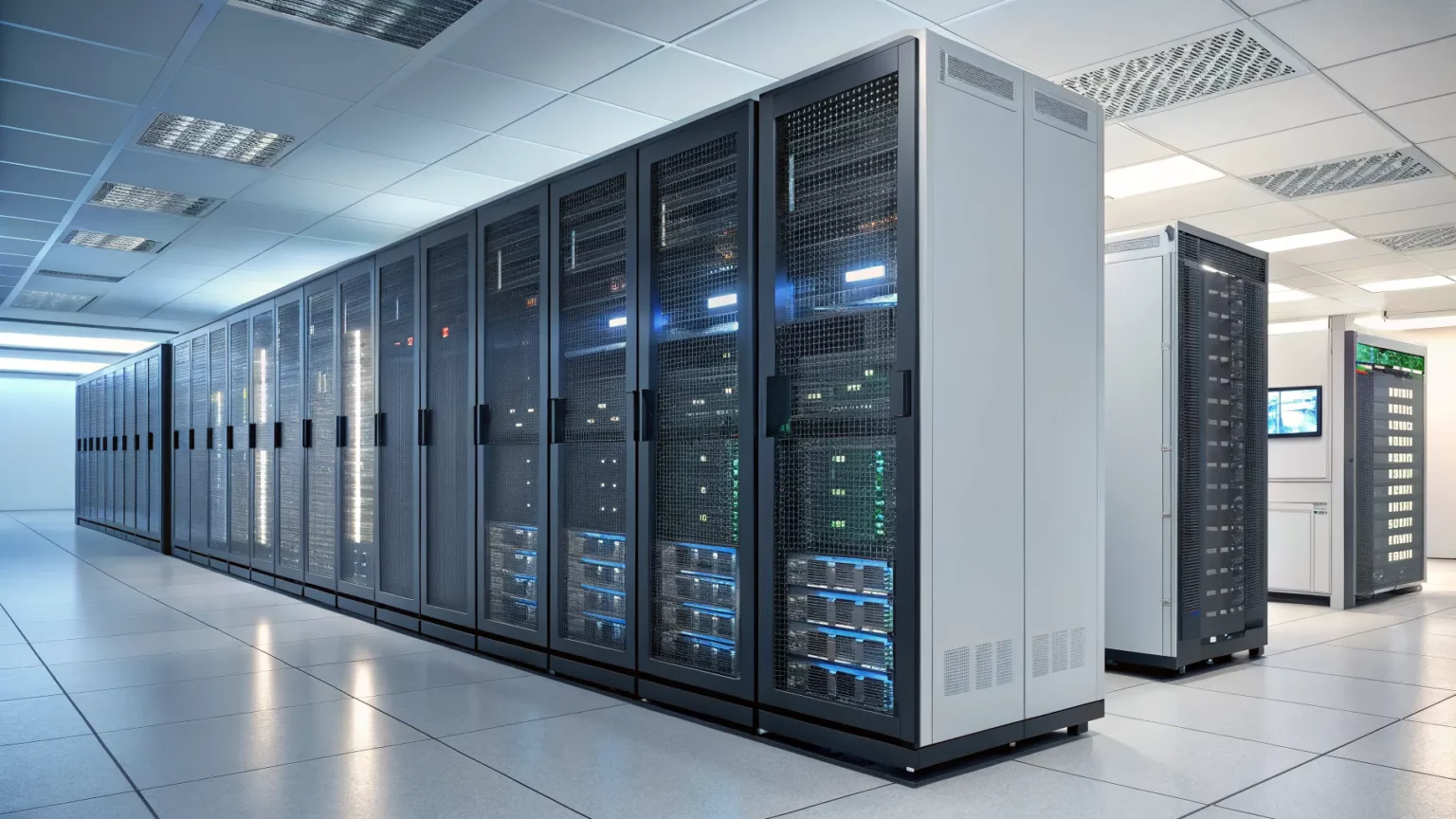
Nvidia signaled that demand for central processing units is set to remain strong for years, even as graphics processors dominate spending on artificial intelligence systems. The guidance arrives amid a rush to build data centers, reshaping how cloud services, enterprise software, and research are powered.
The company framed CPUs as a long-term need across AI training clusters, inference farms, and general-purpose computing. That outlook matters for chip suppliers, cloud operators, and developers deciding how to design the next wave of compute-heavy services.
Nvidia’s latest forecast signals it still sees significant long-term demand for central processing units.
Why CPUs Still Matter in the AI Buildout
While GPUs drive the heavy math behind training large AI models, CPUs handle system control, scheduling, data preparation, storage coordination, and a wide range of traditional workloads. Every GPU cluster still relies on a fleet of CPUs to feed data and run the operating stack.
Inference also continues on CPUs for latency-sensitive or low-cost tasks. Many web services blend CPU-only inference with GPU bursts for peak demand. As organizations add AI features to standard applications, they often scale CPU capacity in parallel to keep services responsive.
CPUs are also the default choice for databases, analytics pipelines, and microservices that sit next to AI models in production. That mix ties CPU growth to AI growth, rather than placing them in competition.
Nvidia’s Strategy: More Than GPUs
Nvidia has pursued its own server-class CPU efforts alongside its GPU roadmap. Its Grace CPU and combined Grace Hopper designs aim to reduce bottlenecks between compute elements and memory. That approach supports massive AI models and high-throughput data processing, while keeping orchestration tasks on CPU cores.
By selling CPUs, interconnects, and GPUs as a package, Nvidia is positioning for systems-level deals. The message is clear: next-generation data centers will be heterogeneous, and CPUs will anchor the control plane and many services that wrap around AI.
Impact on Intel, AMD, and Arm-Based Designs
The long-term case for CPUs bolsters the core markets of Intel and AMD, even as Nvidia expands its own CPU line. Intel and AMD are pushing higher-core-count server chips, faster memory channels, and new instructions to improve AI-adjacent workloads.


Arm-based server CPUs have also gained traction in cloud environments due to power efficiency and predictable performance per watt. If CPU demand stays elevated, that could widen the field and encourage more custom silicon projects at large cloud providers.
Nvidia’s stance suggests a larger pie for multiple vendors. But it also heightens competition to supply the CPU layer that pairs most effectively with GPU racks.
Data Center Design Trends
Data centers are shifting toward tightly coupled CPU-GPU nodes with high-speed interconnects, larger memory pools, and faster storage. Operators try to right-size CPU counts to ensure GPUs stay busy. Under-provisioned CPU capacity can lead to idle accelerators and higher total cost of ownership.
The balance is moving from general-purpose CPU fleets to mixed nodes tuned for AI, high-performance computing, and data services. Still, software portability and familiar toolchains keep CPUs central to daily operations.
What It Means for Buyers
- Plan for CPU growth alongside GPU expansion to avoid resource bottlenecks.
- Evaluate total system cost, including memory, networking, and power, not just accelerators.
- Consider multi-vendor CPU strategies, including x86 and Arm, for price and power flexibility.
- Align procurement with software needs: databases, microservices, and data prep still lean on CPUs.
Risks, Constraints, and the Road Ahead
Supply constraints, rising energy costs, and space limits in data centers may shape CPU purchase cycles. Efficient scheduling and improved data pipelines can reduce waste, but most operators still scale CPU capacity as they scale GPUs.
If model architectures shift to require larger memory footprints or different data flows, CPUs could take on more preprocessing and orchestration roles. That would reinforce today’s guidance that CPU demand has staying power.
For now, the signal is steady: accelerated computing does not replace CPUs; it depends on them. The most successful deployments will size both layers in tandem, keeping clusters balanced and costs in check.
Nvidia’s forecast sets the tone for the next phase of infrastructure spending. Watch for new CPU designs paired with faster interconnects, closer memory integration, and software that squeezes more work out of each watt. The winners will be those who match the right CPU to the right workload, and keep GPUs fed without delay.