


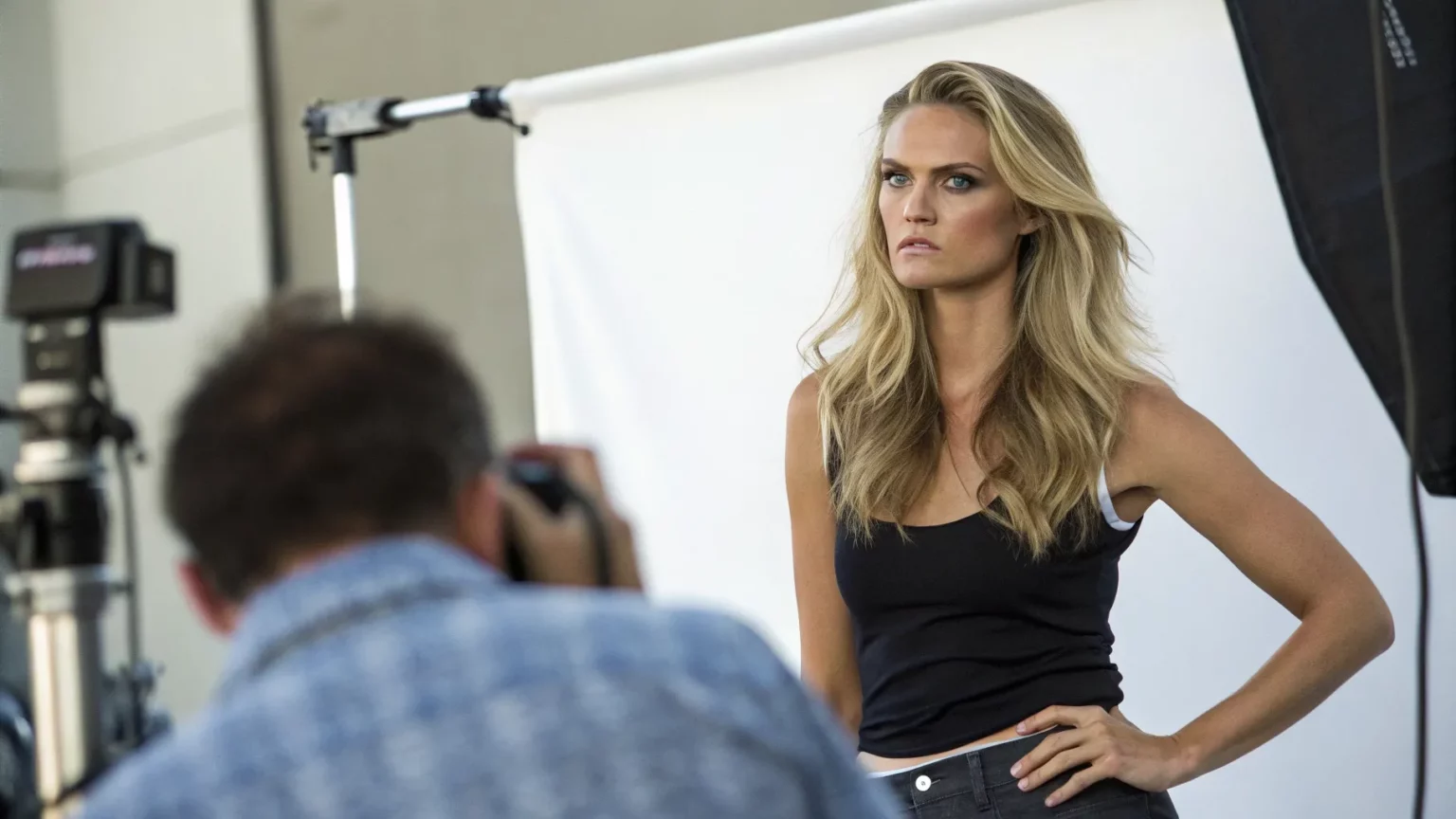
Model Jeana Turner, a finalist from Cycle 24 of America’s Next Top Model, says the show’s presentation of contestants carried an unfair double standard tied to host and executive producer Tyra Banks. In recent comments, Turner described how control over storylines and editing shaped how models were framed for viewers, calling the effect “troubling.”
Turner appeared on the 2018 season filmed for VH1. Her remarks revive old questions about who gets to define a contestant’s “character” on reality TV and how those choices can steer a career long after the cameras stop.
Allegation of a Double Standard
“I found troubling an apparent double standard from Banks, who controlled how people on the show were presented.” — Jeana Turner
Turner did not detail every example, but her core claim is clear: power over editing and narratives sat with producers led by Banks, and that power did not land the same way on every model. The result, she suggests, shaped public perception as much as the actual runway work or photo shoots.
How Editing Shapes “Character” on Reality TV
Reality competition series commonly build season-long arcs. Editors compress long shoot days into short episodes, and producers seek clear heroes, rivals, or comeback stories. That creative squeeze can push a contestant’s most dramatic five minutes ahead of a quieter five months.
Industry editors describe techniques like tight cuts, reaction shots from separate moments, and music cues that suggest conflict or redemption. None of this is unique to modeling shows. But when career prospects hinge on likeability and brand fit, how a model is framed on screen can follow them to castings and agent meetings.
America’s Next Top Model in Context
Created by Banks in 2003, America’s Next Top Model helped launch or boost the profiles of dozens of contestants across 24 cycles in the U.S. format. Banks served as host and executive producer for most seasons, returning to lead Cycle 24. The show blended high-fashion shoots with reality-style house drama, a formula that drew big audiences and strong opinions.
Over the years, alumni have shared mixed experiences. Some credit the show with exposure they could never buy. Others say editing magnified conflict, or that creative choices—haircuts, styling, themes—could set up contestants for harsh critique. In 2020, after old clips resurfaced and drew fresh scrutiny, Banks said on social media that some moments “did not age well,” adding that she had been “working to understand” the impact.
Why Turner’s Claim Matters Now
Turner’s comments touch on a live debate in unscripted TV: where the line falls between storytelling and misrepresentation. When a single figure holds both on-camera authority and off-camera control, questions about fairness tend to amplify.

- Modeling careers can hinge on reputation, not just a portfolio.
- Audience perceptions built on TV can shape long-term bookings.
- Power imbalances can make contestants feel they have little recourse.
For viewers, the gap between what happened and what aired is hard to see. For participants, it can define how future clients read their “type,” temperament, or professionalism.
The Industry’s Response and What Could Change
Some productions now provide clearer contestant briefings about story shaping and editing rights. Others offer mental health support during and after filming. A few series have experimented with extra web content or post-episode explainers to provide context that a 42-minute episode can’t hold.
Advocates for contestants argue for stronger consent language, limits on manipulative editing, and a path to challenge scenes before air. Critics worry that too many guardrails could dull the drama that keeps ratings afloat.
Banks’ Influence and the Show’s Legacy
Banks remains one of the most visible figures in fashion TV, with a brand built on modeling instruction, entertainment, and entrepreneurship. That status brings weight to both the praise and the criticism. The franchise, meanwhile, left a deep cultural mark: catchphrases, meme-ready judging panels, and a generation of fans who learned fashion terms from prime-time TV.
Turner’s charge adds to an ongoing record of alumni voices reassessing how fame, competition, and editing intersect. It also asks a pointed question about fairness when the face of a franchise also sits at the controls.
For now, Turner’s words keep the spotlight on accountability in unscripted television. Viewers can expect more former contestants to add detail, and producers across genres may face renewed pressure to open their process. The next season of reality hits might arrive with stronger safeguards—and, ideally, stars who feel seen for who they are, not who an edit says they should be.