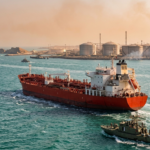


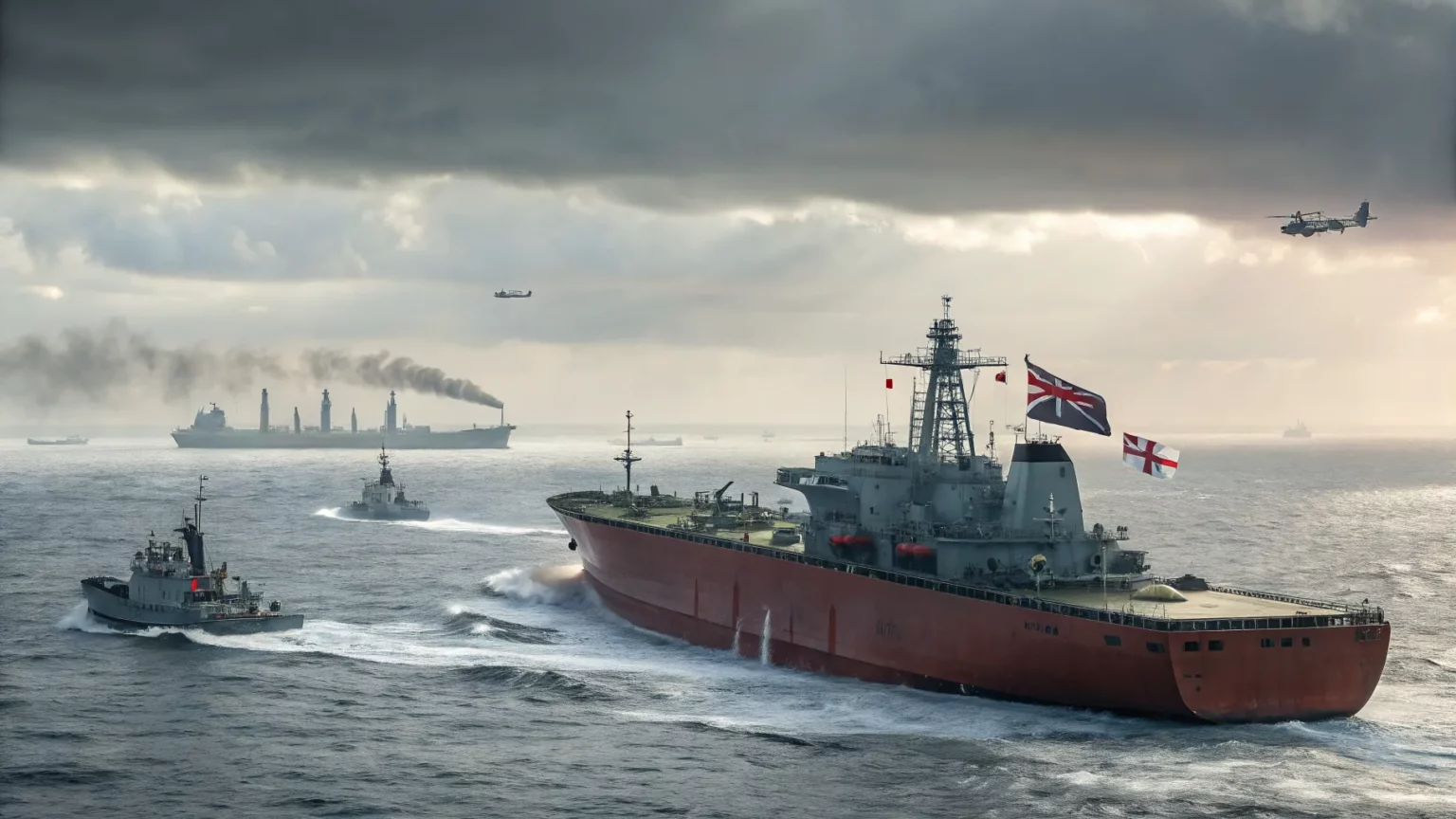
Cameroon moved to separate itself from an oil vessel flying its flag after the ship was tracked and intercepted in the English Channel by UK defense forces over the weekend. The incident, which unfolded in one of the world’s busiest sea lanes, raises fresh questions about flag-state oversight, shadow shipping, and enforcement of sanctions at sea.
The government’s position signals a desire to avoid legal and diplomatic fallout tied to a vessel it says it does not control. UK authorities have not released full details of the cargo or the ship’s ownership structure, but the case highlights growing scrutiny of oil movements through European waters.
Official Position and Immediate Details
Cameroon has distanced itself from an oil vessel flying its flag, which was tracked and intercepted in the English Channel by UK defense forces at the weekend.
Officials framed the move as a public clarification about the vessel’s standing. The statement implies the ship may have been registered under Cameroon’s flag without direct ties to the state or its national operators. The interception suggests UK authorities had reason to halt and inspect the tanker in a high-traffic corridor.
There was no immediate confirmation on the ship’s cargo destination, charterer, or compliance status. It is not unusual for vessels to operate under flags from countries with which they have no ownership links, a practice that complicates oversight when questions arise about safety or the origin of cargo.
Background: Flags of Convenience and Shadow Shipping
Maritime law allows ships to register under a flag state of their choice, a system known as “open registries” or flags of convenience. This can offer lower fees, simpler bureaucracy, or different labor rules. It can also create risk if regulatory checks are weak.
Since new oil sanctions and price caps reshaped global trade flows, a so-called shadow fleet has grown. These are often older tankers with opaque ownership, complex corporate layers, and shifting flags. Western officials and maritime insurers warn that these vessels increase safety, environmental, and compliance risks, especially in narrow waters like the English Channel.
Under International Maritime Organization conventions, the flag state is responsible for ensuring a ship meets safety and environmental standards. But enforcement depends on accurate registries, active inspections, and cooperation with port states. When ships swap flags or use shell companies, tracking responsibility becomes harder.
UK Interception and Maritime Security
The English Channel is a critical route for energy and goods into Northern Europe. UK defense forces, coastguard teams, and customs officers coordinate to monitor ship movements, verify documents, and respond to safety incidents. Interdictions in this zone serve both security and environmental goals, given the dense traffic and fragile coastlines.

Stopping a flagged tanker suggests concerns about cargo origin, insurance validity, safety certificates, or sanctions compliance. Even administrative discrepancies—such as mismatched paperwork or expired classification—can trigger boarding and inspection.
Legal and Regulatory Questions
The case brings several issues into focus:
- How the vessel obtained Cameroonian registration and whether that status remains valid.
- Whether the ship complied with sanctions, price caps, and insurance rules.
- Who ultimately owns and operates the tanker given possible shell companies.
- What liabilities fall on the flag state if violations are found.
If the vessel breached sanctions or safety rules, penalties can include detention, fines, or forced offloading under supervision. For the flag state, de-flagging and registry audits are possible steps to distance from suspect operators.
Industry Impact and Risk Management
Insurers and traders watch these incidents closely. A single boarding in a busy corridor can signal tighter checks ahead, leading to route changes and higher shipping costs. Traders may demand more documentation, including proof of clean ownership chains and compliant insurance.
Classification societies and protection-and-indemnity clubs have also tightened standards. Operators working with older ships face more frequent inspections and steep premiums. Some ports withhold entry to vessels lacking recognized insurance or verified safety certificates.
What Comes Next
For Cameroon, the priority appears to be clarifying registry practices and signaling zero tolerance for misuse of its flag. For the UK, the focus will be on due process: verifying documents, checking cargo provenance, and ensuring safety compliance.
The broader shipping market will look for any follow-up actions, such as enhanced Channel patrols or joint notices from European authorities. Shipowners using open registries can expect more scrutiny of corporate histories and flag changes. Traders will push for cleaner documentation to avoid delays.
This weekend’s interception shows how a single tanker can trigger debate over security, trade rules, and environmental protection. The outcome could shape how open registries manage risk and how European waters are policed this year. If sanctions enforcement tightens, operators will need stronger compliance systems, clearer ownership records, and reliable insurance to stay on schedule.