



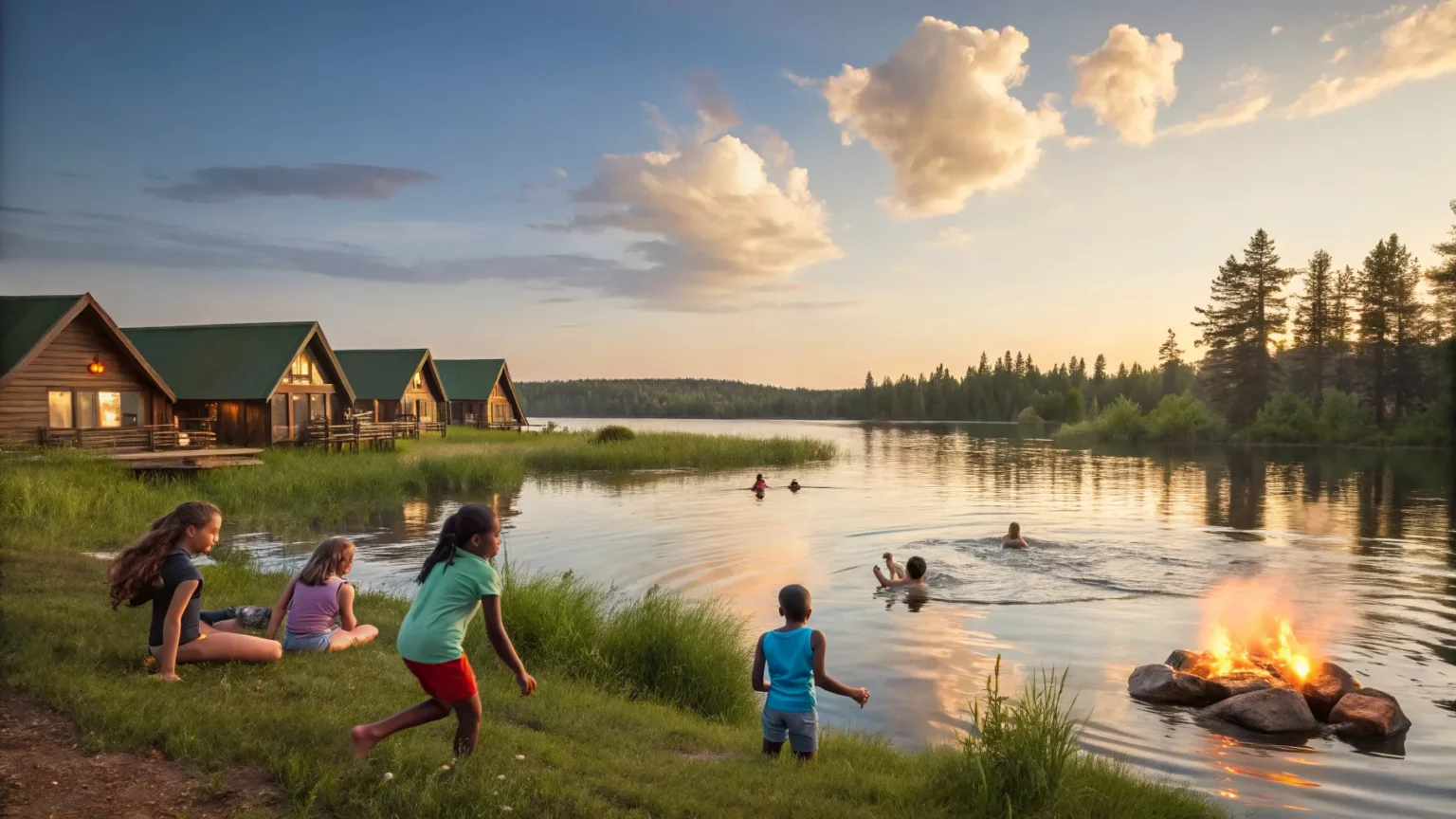
Each summer, millions of American children leave home for cabins, lakes, and campfires. The ritual is old, deeply cultural, and tied to national identity, money, and fear. This year, the debate over what camp means—and who benefits—feels especially urgent as parents weigh cost, safety, and purpose.
Sending kids away for weeks at a time each summer to commune with nature is as American as patriotism, capitalism, and anxiety. So, unsurprisingly, the history of summer camp twines around all three.
The sentiment reflects a long arc. From Progressive Era reforms to Cold War drills and today’s mental health push, summer camp has mirrored American priorities and worries.
Roots in Patriotism and Nature
Modern U.S. summer camps took shape in the late 1800s and early 1900s. Urbanization and factory work raised alarms about children’s health and character. Reformers promoted outdoor life as a cure.
The YMCA, church groups, and early private camps promised sturdy bodies and civic virtue. Scouting added badges, service, and flag ceremonies. Camps became training grounds for grit and group loyalty.
During World War II and the Cold War, many programs leaned into national themes. Songbooks, pledges, and survival skills fit the moment. The core idea stayed simple: nature would build better citizens.
The Business of Camp
Camp is also an industry. The American Camp Association estimates that more than 26 million campers attend day and overnight programs each year. There are over 14,000 camps nationwide, public and private.
Fees vary widely. Church or city-run camps can cost a few hundred dollars a week. Elite private camps can run several thousand. Waitlists stretch from winter into spring.
Operators face rising costs. Insurance, lifeguard staffing, housing codes, and food prices strain budgets. Parents face higher tuition and add-on fees for transport and trips.


- Over 26 million campers attend each year in the U.S.
- More than 14,000 camps operate nationwide.
- Costs range from low-fee programs to luxury options.
Scholarships and nonprofit models help, but access remains uneven. Many families rely on day camps for childcare coverage while schools are closed.
Anxiety, Safety, and Screens
Parental anxiety now centers on safety and mental health. Camps advertise trained counselors, background checks, and clear protocols. After the pandemic, many added nurses and social-emotional training.
Another pitch is digital detox. Phone-free policies promise focus and friendship. Some parents welcome the break. Others worry about contact during emergencies.
Directors say structure matters. Quiet hours, small-group circles, and predictable routines help anxious campers. Nature still carries weight as a calming force.
Who Gets to Go
For decades, specialty camps expanded the map. Sports, STEM, theater, and language programs meet student interests and college goals. They also track family income and ambition.
History shows that camps have reflected social divisions. Early private camps often served white, affluent families. Separate networks grew for Jewish, Black, and immigrant communities, offering safety and pride.
Today, inclusion programs recruit counselors who reflect camper diversity and adapt activities for disabilities. Progress is uneven. Rural families and recent immigrants can face travel, cost, or cultural barriers.
What Camp Teaches Now
Camp leaders say the focus has shifted from rugged independence to guided community. Team projects, conflict resolution, and service days are common. Some programs teach climate science alongside canoe strokes.
College and career talk also shows up. Teen leadership tracks include resume tips and counselor-in-training roles. It is soft skills with a credential edge.
Critics argue that turning camp into another achievement site misses the point. They want unstructured time, dirt, and discovery back at the center.
Looking Ahead
Demand remains strong. Families need childcare and want growth for kids. The pressures are clear: high costs, staffing shortages, and changing expectations about safety and phones.
Observers see two paths. One is premium, tech-free, and exclusive. The other is broad access, public partnerships, and local parks pressed into service.
Either way, the old triangle still holds: patriotism in shared rituals, capitalism in pricing and choice, and anxiety in every packing list. The question is how camps answer it now.
If programs can keep costs in check, train skilled staff, and protect space for real play, the summer tradition will endure. Watch for new city-funded models, expanded scholarships, and stricter phone rules as the next season approaches.