



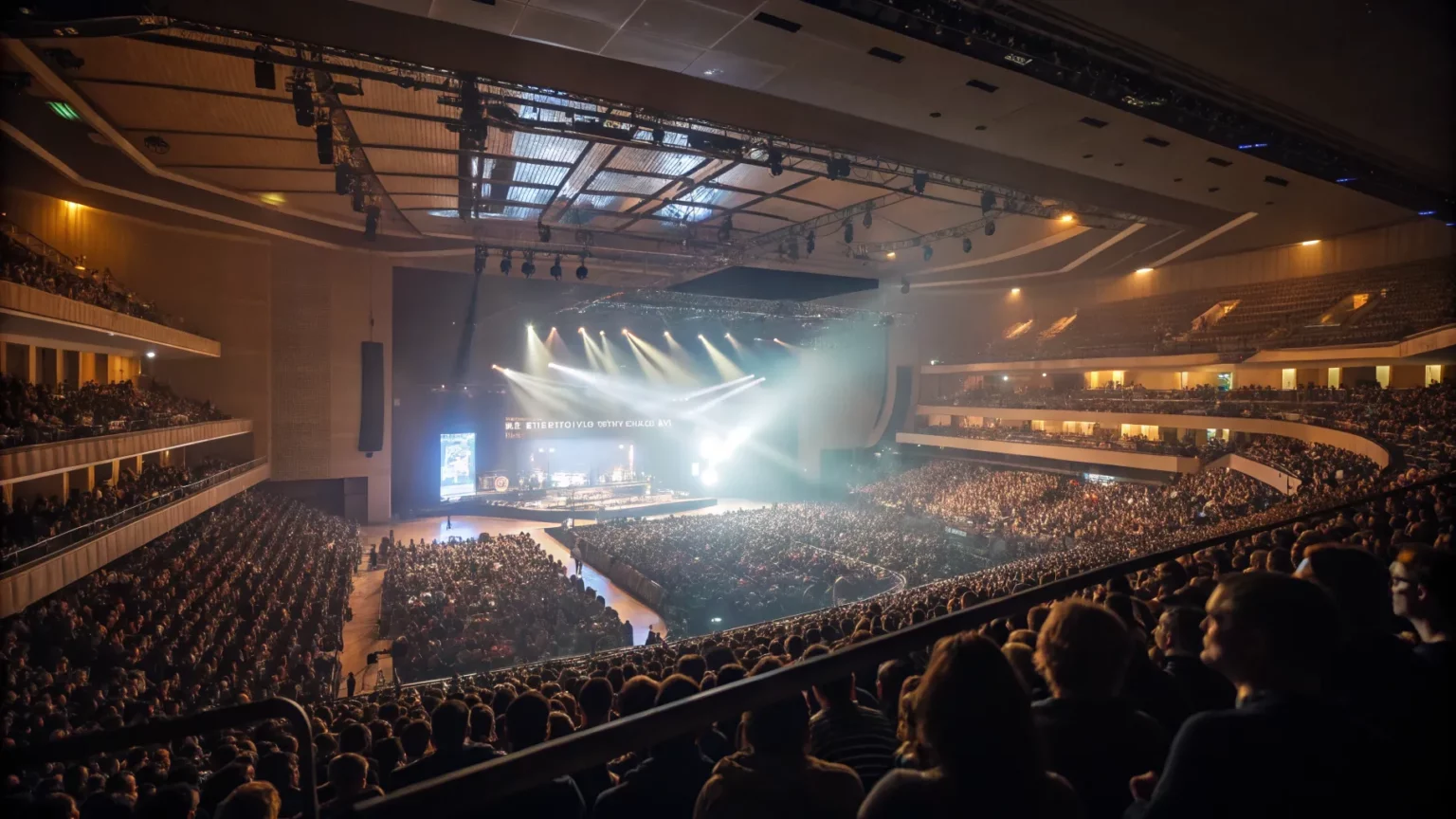
A court has found Live Nation and Ticketmaster guilty of operating as a monopoly, a decision that could reshape how concerts are promoted, tickets are sold, and artists tour. The ruling concludes that the companies used their reach across concerts, venues, and ticketing to shut out competition and squeeze fans with high fees. The case, decided in the United States, places the future of the live music business under intense scrutiny as regulators, artists, and consumers await remedies.
“Live Nation and Ticketmaster were found guilty of operating as a monopoly after controlling virtually every aspect of live music.”
How We Got Here
Live Nation, a giant in concert promotion and venue management, merged with Ticketmaster in 2010. Regulators approved the deal with conditions designed to keep ticketing competitive. Those conditions were later extended in 2019 after complaints that Live Nation bullied venues into using Ticketmaster.
Consumer anger rose over the past decade as service fees and “dynamic pricing” pushed costs higher. Major onsale crashes, like the wave of failures during a high-profile tour pre-sale in 2022, fueled public debate and congressional hearings. Independent promoters and rival ticketing firms said they could not win venue contracts against exclusive deals linked to Live Nation concerts and venues.
What the Court Found
The ruling centers on the companies’ control over multiple links in the chain: artist tours, venue bookings, ticketing software, and secondary resales. By holding power on several fronts at once, the court concluded, Live Nation and Ticketmaster made it harder for fans and competitors to get a fair deal.
Antitrust law bars firms from using dominance in one market to lock up another. The court found patterns of exclusivity, retaliation fears among venues, and fee structures that left fans with few alternatives at checkout.
Impact on Fans, Artists, and Venues
For fans, the immediate question is whether ticket prices and fees will fall. Economists say lower costs depend on the remedies. If ticketing opens to more rivals and exclusivity is curbed, service fees could face pressure.
Artists may gain leverage to choose ticketing partners, set transfer rules, and test new pricing models. Independent venues and promoters could benefit if Live Nation’s grip on tours and rooms is loosened.
- Fans could see clearer fee disclosures and more choices at checkout.
- Venues may be able to switch ticketing providers without losing tours.
- Artists might get more control over primary and resale terms.
Possible Remedies and Next Steps
Courts can order conduct fixes, structural changes, or both. Options could include limits on exclusive venue contracts, a ban on tying promotion to ticketing, and strict fee transparency rules. The most far-reaching step would be a breakup, forcing Live Nation to separate from Ticketmaster or to spin off parts of its business.


Any remedy will likely roll out over months. Appeals are possible. Regulators could also appoint monitors to track compliance, as they did after the 2010 merger.
Industry Reaction and Counterarguments
Independent promoters and rival ticketing firms are expected to welcome the ruling, arguing it opens space for innovation. Consumer groups have long pressed for plain-language pricing and an end to add-on fees late in checkout.
Live Nation and Ticketmaster have argued that high prices reflect demand, not control, and that artists and venues set many fees. They also say exclusive contracts ensure reliable service and investment in venue technology. The court, however, found that these justifications did not outweigh the harm to competition and consumers.
What to Watch
Several signals will show whether the decision changes the market:
- Venue contracts: Do more arenas and theaters switch ticketing providers?
- Fees: Do service and “facility” charges shrink or appear earlier in the price?
- Resale rules: Do artists gain flexibility to cap or restrict secondary prices?
- Technology entry: Do new ticketing tools get access to major tours?
The verdict marks a turning point for live entertainment. It sets the stage for new competition and could bring relief for fans frustrated by fees and checkout surprises. Much depends on how remedies are crafted and enforced. If they bite, the next concert season may not only sound different—it may finally feel fairer at the box office.