





As major indexes hover near records, a quieter shift is pulling capital into artificial intelligence plays across the market. Investors are weighing how to balance headline returns with a surge in spending on chips, cloud infrastructure, and software that promises faster growth. The move is reshaping portfolios on Wall Street and Main Street, with attention turning to who supplies the tools that make AI work.
“Stock market returns should not distract investors from the new AI trade taking hold.”
The warning captures a broad view taking shape this year. Gains in a few mega-caps have masked a deeper rotation beneath the surface. The AI buildout is rippling through semiconductors, data centers, utilities, and enterprise software. It is not a single stock story. It is an investment cycle.
What Is Driving The AI Trade
Corporate spending is rising as firms rush to deploy AI in search, coding, support, and design. Cloud providers are boosting capital budgets to expand computing power and networking. This has pushed demand for advanced chips, memory, and servers to new highs.
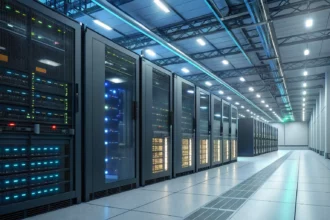
Energy needs are part of the equation. Data centers require steady power and cooling. That is drawing interest to utilities, grid upgrades, and companies focused on efficient power systems. Supply chains matter. So do locations with reliable electricity.
Software is shifting as well. Vendors are weaving AI features into tools used for marketing, security, and workplace chat. Early projects aim to cut costs or speed up routine tasks. Buyers want fast payback and clear value.
Where The Opportunities Are
The AI buildout touches multiple corners of the market. Investors are tracking both the “picks and shovels” and the apps that sit on top.
- Semiconductors: Designers of AI accelerators, networking chips, and high-bandwidth memory.
- Infrastructure: Server makers, optical networking, and data center operators.
- Power and Cooling: Utilities, grid services, thermal management, and energy-efficient hardware.
- Enterprise Software: AI copilots for coding, sales, and customer service; security tools to monitor AI risks.
- Services: Integrators helping companies adopt AI and manage costs.
Long-only funds and hedge funds have increased exposure to these themes. Some rotate out of slower-growth areas into AI suppliers with clearer demand signals. Others build barbell portfolios, pairing dominant chip names with select software leaders and power plays.
Risks And What Could Derail It
Valuation is the first risk. Expectations are high. Companies must show revenue tied to real usage, not pilots. Guidance missteps could sting.


Supply bottlenecks are another risk. Lead times for advanced chips and memory have eased in spots but remain tight in others. Any shock to manufacturing could slow deployments.
Power constraints loom. Regions short on generation or transmission may face delays. Policy debates over energy mix, permitting, and rates add uncertainty.
Regulation is building. Rules on data privacy, model transparency, and safety may change cost curves. Firms that plan for compliance could gain an edge.
How It Could Reshape Portfolios
The AI trade rewards a different mix than the broader market. Cyclicals tied to data center buildouts may rise with orders, then cool as projects finish. Software could lag hardware at first, then accelerate as usage scales.
Investors are watching cash flows, not just growth rates. Free cash generation and pricing power matter during heavy investment cycles. Balance sheets with room to spend can support durable wins.
Diversification helps. A basket across chips, infrastructure, power, and software can smooth swings. Timing is tricky. Staggered entries or dollar-cost strategies can reduce risk.
What To Watch Next
Capital spending updates from cloud providers will set the tone. So will commentary from chip makers on supply, yields, and product roadmaps. Software earnings can confirm whether AI features lift seat counts or drive usage-based revenue.
Power markets deserve close attention. New data center announcements, utility rate cases, and grid upgrade timelines could signal the pace of buildouts. Mergers may follow as firms race for scale.
Market-wide returns can distract from the core story. The investment cycle in AI is expanding across suppliers, infrastructure, and apps. The quote above is a timely reminder to look under the hood. Investors focused on fundamentals, cash flows, and real adoption may be better placed as the trade develops.