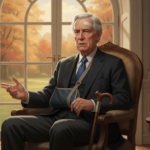





A major global distiller signaled a change at the top, announcing that longtime leader Lawson Whiting will stay on until a successor is named. The move sets in motion a formal handover at the “spirits giant,” where Whiting has served since 2019. The company did not give a timeline for the appointment, but emphasized continuity during the search.
“Lawson Whiting, who has led the spirits giant since 2019, will remain in the role until a successor is appointed.”
Leadership Change at a Major Distiller
The planned transition points to a structured approach to executive turnover at a time of steady demand for premium spirits. Whiting’s tenure spans years marked by supply chain challenges, changing consumer tastes, and the rise of ready-to-drink cocktails. By keeping him in place through the search, the company aims to avoid disruption in strategy and day-to-day operations.
Executive searches for global consumer brands often take months, as boards weigh internal candidates against seasoned external leaders. Retaining an incumbent during that period is common practice to maintain momentum in brand marketing, distribution planning, and key international markets.
Why Succession Planning Matters
Succession planning is more than a personnel change. It shapes long-term product bets, pricing, and market expansion. In the spirits sector, leadership direction can influence how a portfolio balances heritage brands with new expressions and limited releases.
Investors tend to watch these handovers closely. A clear plan can calm worries about stalled innovation or shifting priorities. Employees look for signals on culture, investment in talent, and the future of operations across bottling, logistics, and regional sales teams.
Industry Pressures Shape the Timeline
Spirits makers face several crosswinds. Input costs, including glass and grains, have been volatile since the pandemic. Currency swings affect export-heavy businesses. At the same time, consumer interest has tilted toward premium labels, agave spirits, and low- or no-alcohol options.
New leadership will likely weigh how much to lean into premiumization, what to do about pricing in inflation-sensitive markets, and how to manage inventory after a period of uneven demand. The strategy for digital sales and direct-to-consumer channels remains another live question in key regions where rules allow.
Signals for Stakeholders
Without a stated end date for the search, stakeholders will watch for updates tied to earnings or board communications. Continuity under Whiting may help steady relationships with distributors and retail partners in the interim. It also allows ongoing campaigns and holiday-season planning to proceed without a reset.

Analysts often look for signs that boards are considering a successor with strong global experience and a track record in brand building. Others favor leaders with supply chain depth, given the complex sourcing and compliance needs across markets.
- Will the company prioritize internal candidates who know the portfolio well?
- Could an external hire signal a shift in innovation or regional focus?
- How will the transition affect pricing, marketing spend, and capital plans?
What Comes Next
The next CEO will inherit a sector balancing tradition with shifting tastes. The choice will reflect where the board sees growth: expanded agave lines, whiskey innovation, or new formats like ready-to-serve offerings. It will also show how the company plans to navigate regulatory changes and sustainability targets tied to water use, packaging, and emissions.
For now, the message is stability. By keeping Whiting in place during the search, the company preserves leadership continuity while it works to select a successor prepared for a complex market. Updates on the process, even without names, could help set expectations and reduce speculation.
The handover begins with a familiar face at the helm and an open question about who will take charge next. Stakeholders should watch for board signals on timing and priorities, and for any early moves in pricing, product launches, or market expansion that hint at the future direction under new leadership.