


JetBlue and Delta say customers are still paying more for better seats and perks, even as economic worries rise. The carriers reported steady interest in upgraded cabins and add-ons during recent updates to investors and customers. Their shared message points to a buyer who is watching prices but still willing to spend for comfort and flexibility.
The comments arrive as inflation pressures household budgets and fuel costs remain volatile. Airlines have raised base fares at times and leaned on fees to protect margins. Yet demand for extra legroom, premium economy, and early boarding continues. The trend could shape pricing, fleet planning, and loyalty strategy through the rest of the year.
Premium Holds as a Bright Spot
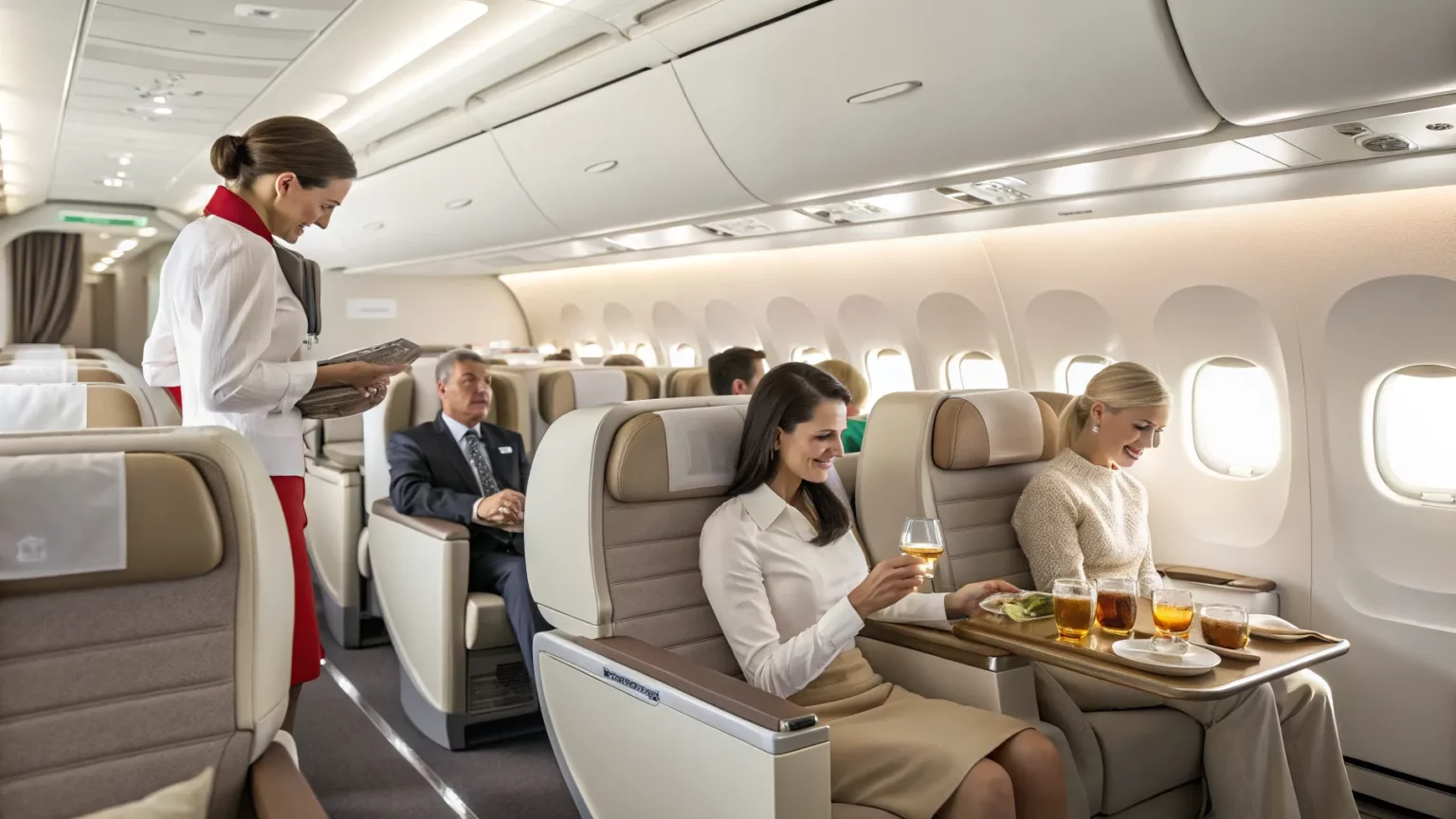
Both carriers framed upgrades as a steady source of revenue. While they did not release fresh figures in these remarks, their tone signaled confidence in high-yield sales. Premium economy, extra-legroom seats, and bundled perks such as priority security remain popular on leisure and mixed business trips.
“Travelers continue to pay up for premium products,” executives from the two airlines said.
That aligns with a pattern that gained strength after the pandemic. Many travelers took fewer trips but spent more per journey. Some traded traditional business class for premium economy on long routes, while others added seat upgrades and check-in perks on domestic flights. Loyalty credit cards and status benefits also nudge customers toward pricier options.
Why Flyers Are Choosing Upgrades
Several factors are driving the choice to spend more on comfort and control:
- Leisure travelers want better seats on crowded flights.
- Hybrid work lets people blend business and vacation, raising trip value.
- Loyalty programs reward higher spending with perks and points.
- Changeable or refundable fares reduce risk if plans shift.
Delta has expanded its premium economy and extra-legroom seating in recent years, pairing it with higher service levels and club access for top customers. JetBlue has leaned on its Mint business-class suites on select routes and markets “Even More Space” seats across its network. Both say customers can see and choose upgrades easily in their apps, which boosts conversion at checkout.
Economic Pressures and Price Sensitivity
Inflation, higher interest rates, and rising credit card balances could slow discretionary spending. Some travelers may trade down to basic fares, reduce bag fees, or fly less often. Corporate travel is still mixed, with tech and finance recovering faster than other sectors. That leaves airlines relying more on premium leisure and small-business demand.
Analysts caution that a softening economy can change buying behavior quickly. If fares rise faster than wages, upgrade take rates could slip. Capacity growth on popular routes may also pressure prices later in the year. Low-cost competitors are watching for any opening to win price-sensitive flyers.



What It Means for Airlines and Travelers
For airlines, strong premium demand supports revenue per seat and cushions swings in base fares. It also justifies cabin retrofits and targeted route choices. Loyalty partnerships with banks remain a key support, as customers seek points and status tied to premium spending.
For travelers, the gap between basic and upgraded experiences may widen. Extra legroom, early boarding, and flexible tickets can add comfort and reduce stress, but at a higher cost. Customers who plan ahead and watch sales still find deals, especially on off-peak days and shoulder seasons.
Outlook for the Second Half
Airlines will watch booking curves, upgrade take rates, and corporate demand as summer peaks and fall shoulder season approaches. If premium sales stay firm, carriers may keep more seats allocated to higher fare classes and maintain fee bundles. If signs of weakness appear, expect more targeted discounts and loyalty promotions.
The bottom line is clear for now. Travelers are still paying more for a better experience, and airlines are building strategies around that behavior. The test will come if economic pressures intensify. For the moment, JetBlue and Delta see steady appetite for comfort, space, and flexibility—and they plan to keep selling it.