



The 2026 World Cup did more than fill stadiums. It turned fan demand into record sales, fresh souvenirs, and new revenue streams that stretched from the turnstiles to the turf itself. Organizers leaned on an expanded format and North American host cities to scale sales and sponsorships, while fans paid for premium experiences, rare mementos, and convenience.
The tournament spanned the United States, Canada, and Mexico. It ran through early summer and packed an enlarged schedule. Officials framed the effort as a chance to welcome more fans and more partners. The result was an aggressive push to commercialize nearly every matchday moment.
Background: Bigger Tournament, Bigger Targets
FIFA’s budget for the 2023 to 2026 cycle projected about $11 billion in revenue, tied to an expanded 48-team tournament and more matches. That expansion created more tickets, more food and beverage points of sale, and more inventory for sponsors. North American venues, most of them NFL-scale, gave organizers modern kitchens, cash-free systems, and high-end clubs that are built for volume.
Host committees also leaned on lessons from recent mega-events. Cashless operations quickened lines. Dynamic pricing adjusted to demand spikes. Branded pop-ups turned plazas into sales floors for limited apparel.
Inside the Stadium Economy
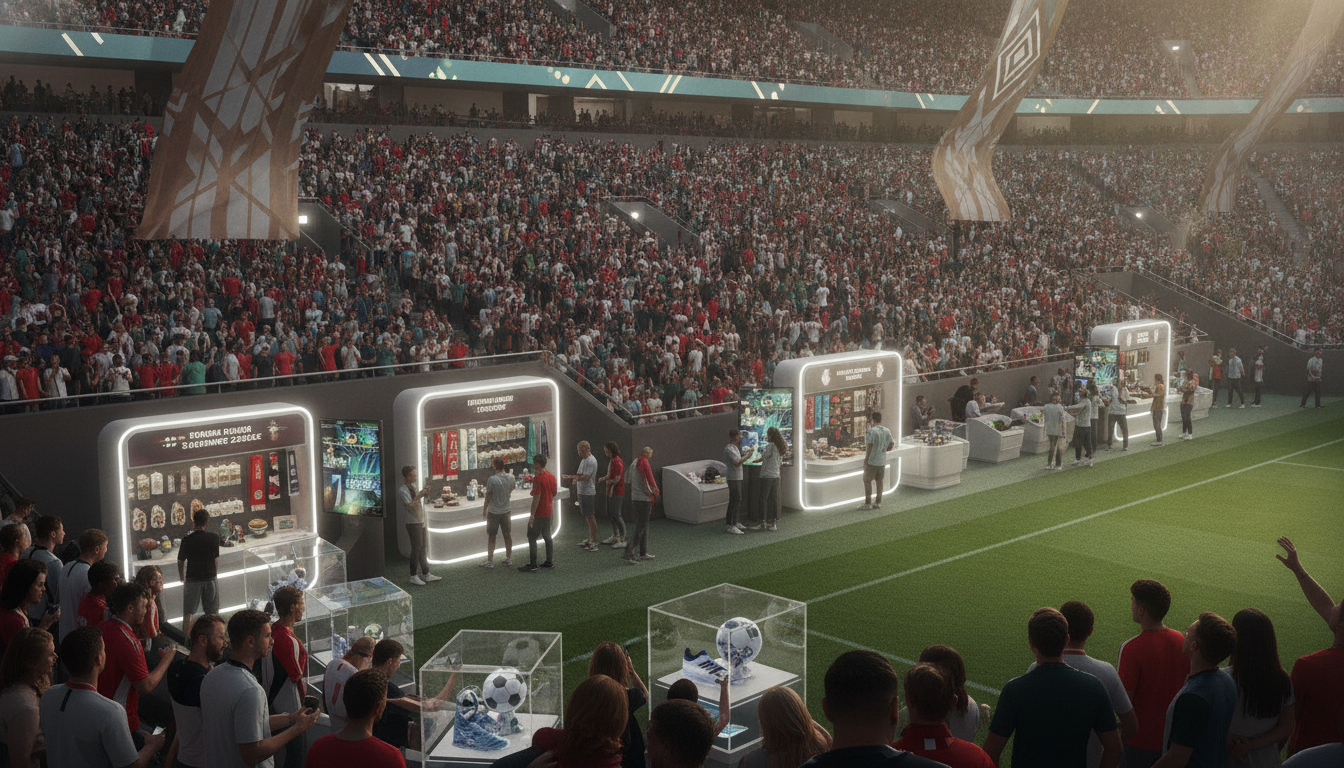
Stadium operators reported heavy spending per head, driven by longer dwell times and premium offerings. High-margin items such as local craft beverages and signature dishes performed well. VIP and hospitality packages, which bundle catering with prime seating and access, sold out in multiple venues.
From record concession sales to cut up pieces of turf as souvenirs, the 2026 World Cup found plenty of ways to cash in.
The retail push extended from concourses to mobile ordering. Fans could buy team gear from their seats and pick it up on the way out. Limited runs, like location-specific scarves, sold fast on marquee matchdays.
Merchandise and Memorabilia Take Center Stage
Organizers introduced itemized match relics, including framed seat tags, locker room signage, and sections of replacement turf cut after the final whistle. The turf pieces echoed traditions in other sports, like pieces of net after a title game, but scaled them for a global event.
Fans responded to scarcity. Certificates of authenticity, QR-linked provenance, and stadium-specific branding helped drive sales. Prices varied by match importance, with knockout rounds commanding premiums.


- Framed turf squares with match details
- Game-used corner flags and captain armbands
- Limited city edition kits and scarves
Sponsors, Media, and the Content Boom
Sponsorships saw strong uptake across categories like finance, telecom, travel, and food service. Brands pushed in-stadium activations tied to sampling and instant discounts. Second-screen promos rewarded app engagement with merchandise codes, feeding both broadcast and retail.
Media partners packaged shoulder programming, behind-the-scenes clips, and quick-turn highlights. The steady stream of content kept fans engaged between matches, which helped merchandise and concession promos convert. More viewing windows also meant more local traffic to fan festivals and watch parties, where licensed vendors added another revenue layer.
Fans Weigh In On Value
Supporters praised faster service and expanded menus, but some balked at prices for food and keepsakes. Consumer groups tracked average spend per fan and called for clearer pricing on dynamic items. Organizers said higher throughput and more choice improved the experience for most visitors.
Equity questions surfaced around resale markets. Caps on in-venue purchases and delayed item releases were used to limit bulk buying. Teams and venues also reserved drops for local fans to reduce arbitrage.
What The Numbers Mean For Future Events
The sales surge will shape playbooks for the next cycle. Host cities saw the value of integrated retail, mobile checkout, and event-tied memorabilia. Stadiums are likely to add more kitchens, more grab-and-go outlets, and dedicated fulfillment areas for online orders.
Analysts expect organizers to refine three areas. First, inventory planning for peak matchdays. Second, pricing transparency to avoid backlash. Third, digital receipts and authentication to protect collectors.
The 2026 World Cup showed how a mega-event can stretch revenue across every corner of a stadium. Concessions set records, merchandise moved fast, and even the turf found a buyer. Fans should expect the next cycle to build on this model, with closer links between broadcast, mobile engagement, and on-site sales. The key test will be keeping lines short, prices fair, and souvenirs meaningful as the business of global soccer grows.