




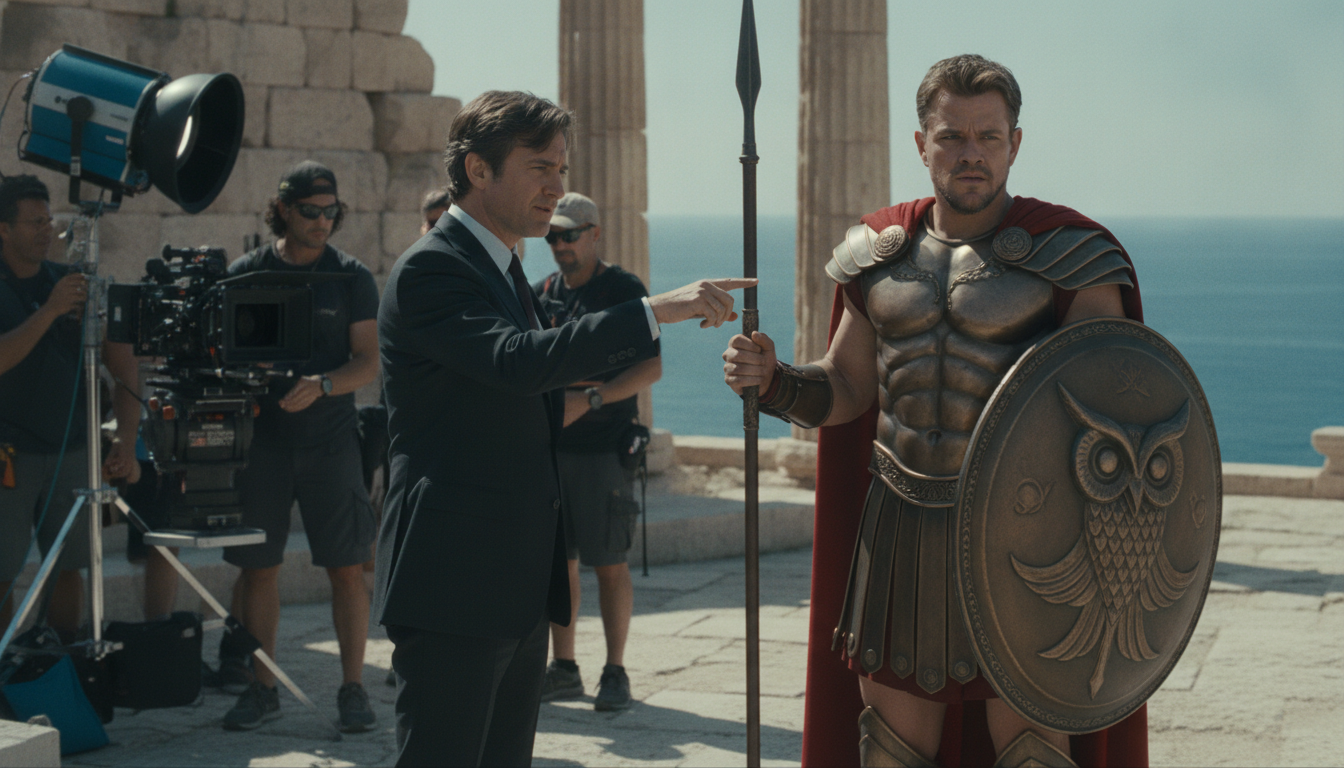
Christopher Nolan is taking on Homer’s ancient epic with a surprising twist, casting Matt Damon as a more noble and openly heroic Odysseus. The project, titled The Odyssey, sets up a fresh debate over how far modern filmmakers should go when updating a classic. The shift in tone, highlighted in a brief statement, suggests a streamlined hero for a new audience and raises questions about fidelity to the source and the goals of adaptation.
Christopher Nolan’s “The Odyssey” stars Matt Damon as a noble and heroic Odysseus. It’s a change from Homer’s original character.
The move comes at a time when studios are revisiting ancient stories and legends. The original Odyssey, composed around the 8th century BCE and arranged into 24 books, follows a wily king who survives war and sea through strategy, disguise, and occasional deceit. That complexity has challenged filmmakers for decades, with many versions highlighting either his courage or his cunning, but rarely both in full.
A Bolder Take on a Classic
Reframing Odysseus as a clearer hero could bring the story to viewers who know the name but not the layers of the text. The description points to a man of steady virtue rather than a survivor who bends rules when needed. For a director known for psychological tension and moral puzzles, this suggests a cleaner arc and a more direct emotional anchor.
Supporters of the change may argue that film often rewards focus. Consolidating a sprawling myth into a feature can require sharper lines between right and wrong. Damon’s screen presence has anchored characters with integrity and resolve, which could help carry an epic that spans seas, monsters, and gods.
Who Is Odysseus on the Page
Homer’s Odysseus is clever, persuasive, and sometimes ruthless. He blinds the Cyclops to escape, lies to strangers to gather information, and tests allies before revealing himself. His reunion with Penelope is careful and strategic, not grand and simple. These choices define him as a complex figure who survives by wit as much as by valor.
Scholars often describe him as a liminal hero. He is between war and peace, home and exile, mortal and myth. Simplifying that mix risks losing the tension that gives the poem its power. Yet it could also clarify motives that modern audiences find muddy without long narration or extensive backstory.
Casting and Character Shift
Matt Damon’s casting suggests the production wants a steady moral center. An upright Odysseus could reshape key episodes. The Cyclops scene might emphasize protection of his crew rather than trickery. Encounters with Circe and Calypso could tilt toward fidelity and restraint. The contest with the suitors could read as clean justice rather than calculated payback.
Christopher Nolan’s approach to time and structure may still surface. Even with a more heroic lead, the story could keep its layered timeline, jumping between Ithaca and the sea to build suspense. A noble portrayal does not rule out ambiguity in the world around him, including divine whims and human betrayal.



Industry Stakes and Audience Expectations
Adaptations of ancient epics have a mixed box office record. Projects that center spectacle can draw crowds, while heavily literary treatments often struggle to find scale. A recognizable star, a simple moral frame, and a director with a defined style can reduce risk, but they also invite scrutiny from classicists and fans of the poem.
- Will the film keep Odysseus’s trickster edge or set it aside
- How will Penelope’s patience and intelligence be portrayed
- Will the gods feel distant, or act as direct forces in human affairs
The answers will shape how schools, critics, and streaming audiences receive the adaptation. They will also guide how future projects handle ancient texts that live between myth and character study.
What Changes Could Mean On Screen
A clearer hero could sharpen the theme of homecoming. The cost of war, the weight of leadership, and the strain on family might move to the front. Scenes can then build around courage and sacrifice rather than ruse and reveal. That can make the narrative faster, with cleaner stakes and fewer detours into disguise.
On the other hand, Odysseus’s identity has long rested on flexibility. If he cannot lie, beg in rags, or spring traps, he risks blending into a more standard warrior. The film will need craft in dialogue and editing to keep tension while honoring a more upright core.
The early description sets expectations for a streamlined epic led by a familiar star. It also leaves room for surprises in structure and theme. As production details emerge, the key question remains clear. Can a noble Odysseus carry the same weight as Homer’s strategist. Viewers will be watching for how the film balances clarity with complexity, and whether this ancient voyage still feels urgent on a modern screen.