




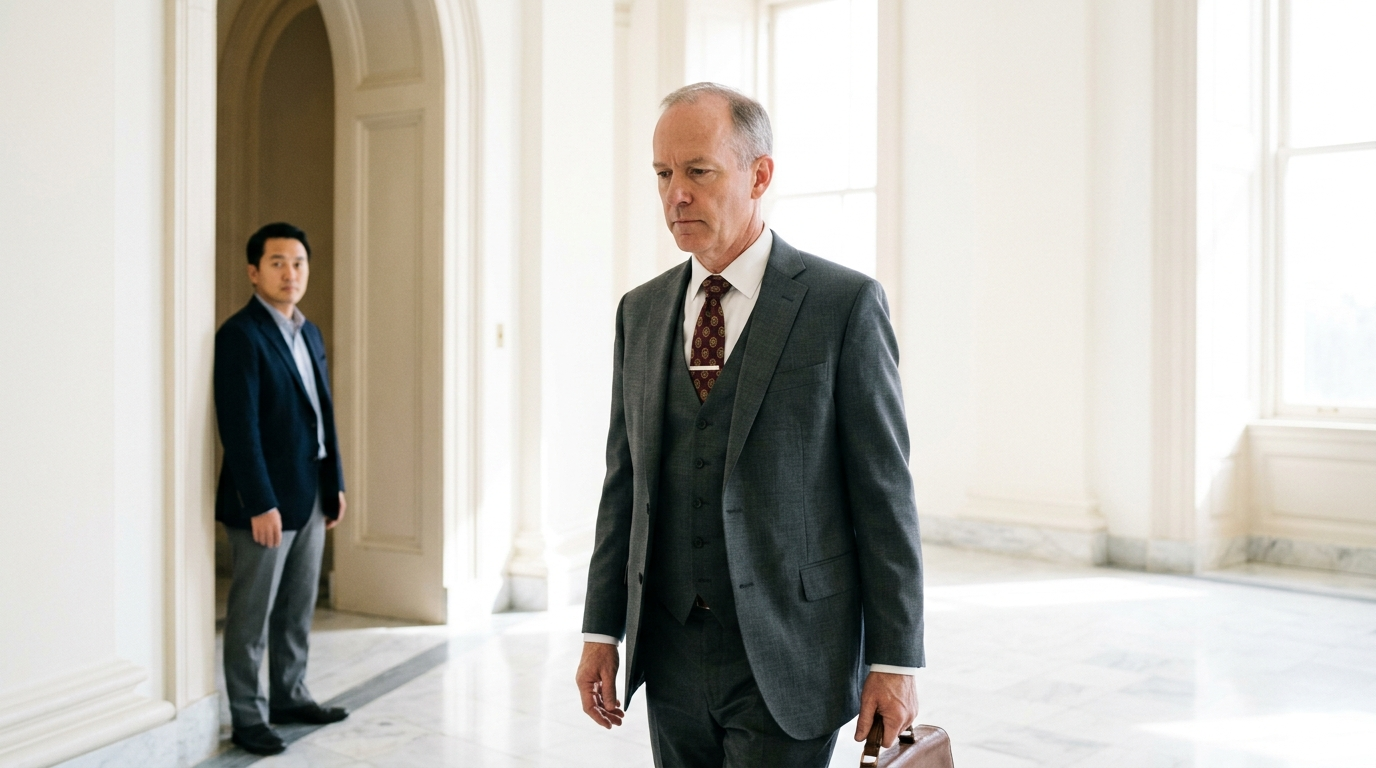
A CNBC investigation has examined how former Federal Reserve adviser John Rogers became connected to a man whom U.S. officials identify as a Chinese intelligence operative.
The case places fresh attention on the security risks facing government institutions and their advisers. It also raises questions about how foreign intelligence services may seek access to people with knowledge of sensitive economic policy.
Public details provided about the relationship remain limited. The available account does not explain when the two men met, what information they discussed, or whether Rogers knew of the other man’s alleged intelligence role.
Scrutiny of a Sensitive Institution
The Federal Reserve holds major influence over interest rates, financial regulation, and the stability of the U.S. economy. Its decisions can move global markets and affect borrowing costs for households, companies, and governments.
That influence makes current and former officials potential targets for foreign intelligence collection. Advisers may have access to internal discussions, policy research, professional networks, or insight into how senior decision-makers operate.
CNBC’s findings center on Rogers, described as a former Fed adviser, and his connection to a man identified by American authorities as an operative for China.
U.S. officials identify the man as a “Chinese intelligence operative.”
That description is significant, but it does not by itself establish wrongdoing by Rogers. A professional or personal connection can take many forms. Any assessment would depend on evidence showing what each person knew, requested, shared, or intended.
Key Questions Remain Unanswered
The report points to several issues that investigators, policymakers, and the public may seek to clarify:



- How and when Rogers met the alleged operative.
- Whether the relationship continued after Rogers left the Fed.
- What subjects the two men discussed.
- Whether any restricted or nonpublic material was involved.
- Whether Rogers understood the man’s alleged role.
Those distinctions matter. Intelligence officers often build relationships gradually, sometimes through academic, business, or policy contacts. A target may not initially know that a foreign government is directing the contact.
At the same time, an official identification by U.S. authorities should be evaluated against supporting evidence and any response from the people involved. The limited information available does not include a statement from Rogers or the man identified by officials.
Economic Expertise Can Draw Foreign Interest
Foreign intelligence efforts are not limited to military or diplomatic secrets. Economic forecasts, central bank thinking, sanctions policy, and financial oversight can also carry strategic value.
Even information that is not classified may help another government interpret future policy. Access to professional relationships can also provide introductions to serving officials, researchers, and market participants.
The case therefore presents a wider institutional concern. Agencies must protect sensitive work without treating ordinary international contact as evidence of espionage. Effective safeguards can include disclosure rules, security training, access controls, and clear reporting channels for unusual approaches.
The Rogers investigation leaves essential facts unresolved, including the nature of the relationship and whether protected information changed hands. Further reporting, official records, and responses from those involved will be needed before firm conclusions can be reached.
For the Federal Reserve and other agencies, the central lesson is already clear: former advisers can remain valuable intelligence targets long after public service. What investigators establish about knowledge, intent, and information sharing will determine the case’s wider significance.