




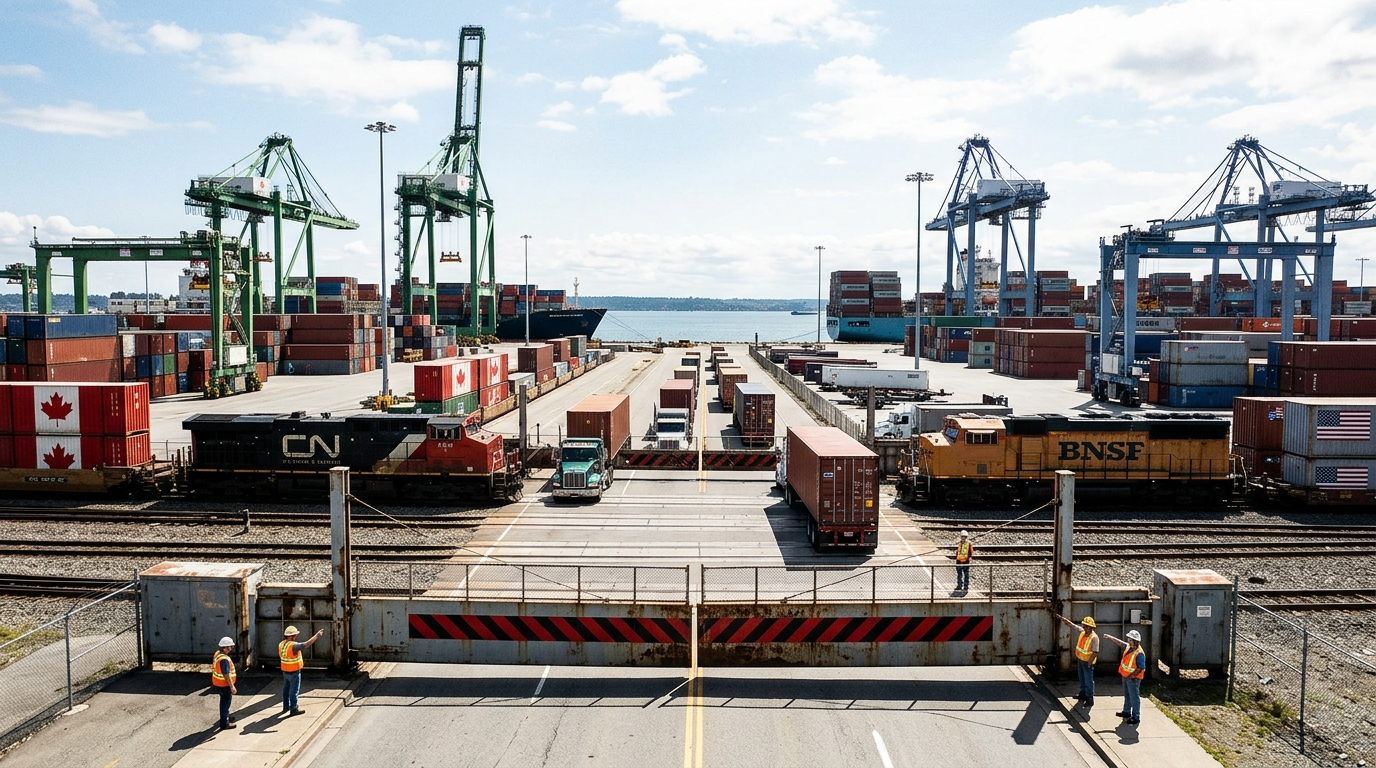
Canada and the United States failed to reach a trade agreement late Friday, reviving a North American tariff conflict that could raise costs for businesses and consumers.
Ottawa said it would match Washington’s tariffs after the last-minute breakdown. The decision signals a rapid return to retaliation between two economies linked by extensive cross-border trade.
Details about the disputed products, tariff rates, and timing were not immediately available. It was also unclear which issues prevented negotiators from reaching a final deal.
Last-Minute Failure Raises Economic Risks
The collapse is significant because negotiations continued until Friday night. That timing suggests both governments had sought an agreement before talks broke down near the deadline.
Canada’s pledge to impose matching duties could expand the economic effects. Retaliatory tariffs often protect targeted domestic industries, but they can also increase prices for imported goods.
The immediate questions include:
- Which Canadian and American products will face tariffs
- When the new duties will take effect
- Whether exemptions will apply to key industries
- How quickly officials may restart negotiations
Companies with cross-border supply chains may face added costs and uncertainty. Manufacturers can be especially exposed when parts cross the border several times before a finished product reaches customers.
Closely Linked Economies Face Renewed Strain
Canada and the United States have one of the world’s largest trading relationships. Their economies are tied through energy, vehicles, agriculture, metals, and consumer goods.



Much of that commerce operates under the United States-Mexico-Canada Agreement. However, the agreement does not prevent every dispute, especially when governments use tariffs under separate trade or national policy authorities.
Earlier tariff conflicts showed how quickly a narrow dispute can spread. One government may target strategic exports, while the other responds with duties designed to create political pressure.
Ottawa’s decision to match Washington indicates that Canada is choosing retaliation rather than accepting the measures without a response. From Canada’s perspective, matching tariffs can defend domestic interests and strengthen its negotiating position.
Washington may argue that tariffs are needed to address trade practices, protect production, or gain concessions. Yet reciprocal duties can make a settlement harder if each side expands its demands.
Businesses Await Details and Possible Relief
The lack of specific information leaves companies unable to calculate the full impact. The effect will depend on tariff levels, product coverage, exemptions, and the length of the dispute.
Importers may absorb some costs, seek other suppliers, or pass higher expenses to customers. Exporters may lose sales if their products become more expensive across the border.
Industries that rely on fixed contracts could face added pressure because prices may have been agreed before the duties were announced. Smaller businesses may have fewer options to change suppliers or redirect shipments.
Financial and political consequences will also depend on whether the dispute remains limited. A short round of tariffs could serve as leverage for renewed talks. A longer conflict could delay investment and weaken confidence across both countries.
The next developments to watch are formal tariff lists, effective dates, and any announcement of resumed negotiations. Until those details emerge, the failed Friday talks leave businesses preparing for higher costs and both governments facing pressure to prevent further escalation.