




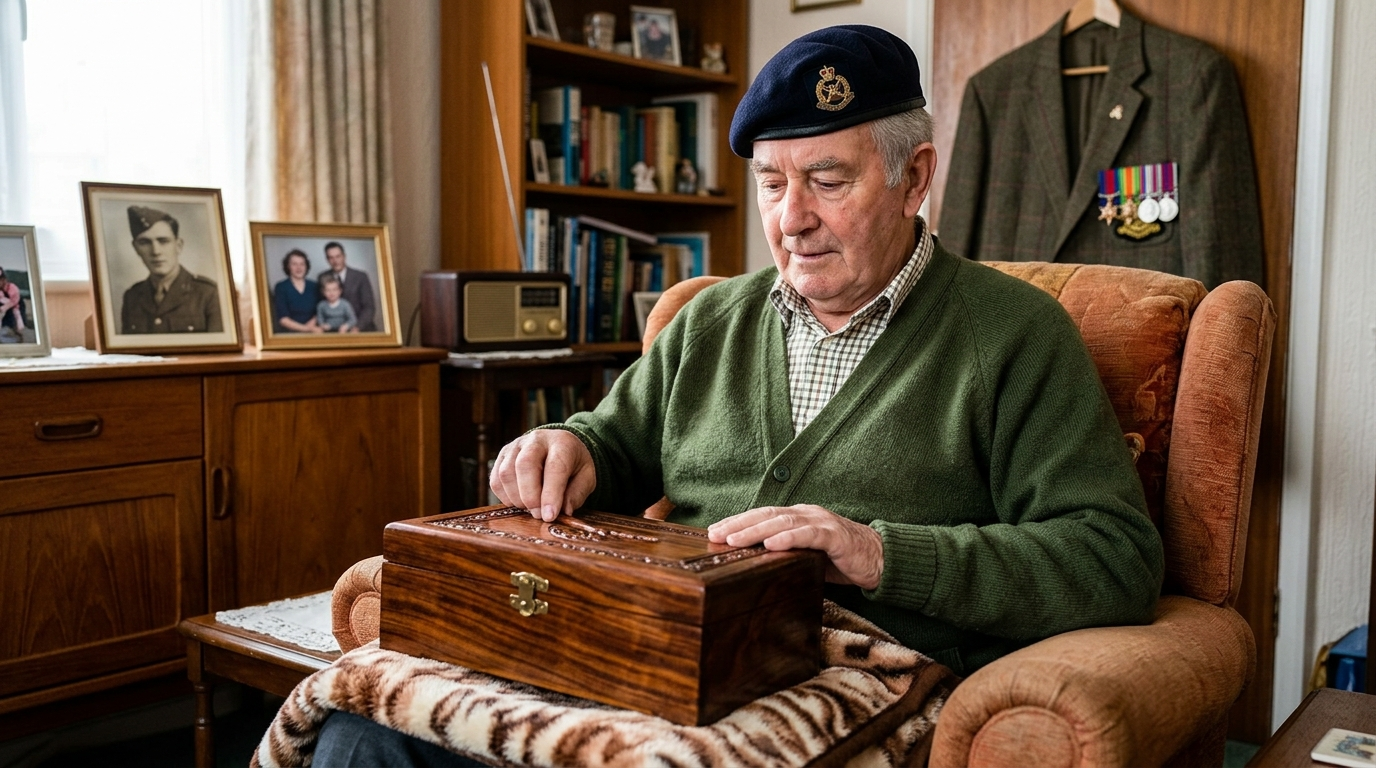
Raymond Gilbert paid £155 for an item he believed was handmade by another British ex-serviceman, raising questions about how its origin and maker were presented.
The limited details available do not identify the item, seller, sales platform, or purchase date. They also do not establish whether the product was handmade. No evidence has been provided showing deliberate deception or wrongdoing.
Still, the reason for Gilbert’s purchase matters. He understood that his money would support a fellow former member of the British armed forces. That belief appears to have helped shape his decision to pay £155.
A Purchase Based on Personal Trust
Claims such as handmade, British-made, and veteran-owned can add emotional and financial value to a product. Buyers may accept a higher price when they believe skilled individual work is involved.
Gilbert’s case combines two such claims. He believed the item had been made by hand and linked it to a British ex-serviceman. That connection may have turned an ordinary transaction into an act of support.
However, the known facts do not show exactly what the seller promised. It is unclear whether the description directly identified the maker or whether Gilbert reached that conclusion from other information.
Several unanswered questions will shape any assessment of the sale:
- What was the item, and how was it produced?
- Who sold it, and where was it advertised?
- Did the listing call it handmade?
- Was a British ex-serviceman named as its maker?
- Did Gilbert seek a refund or explanation?
Why Product Descriptions Matter
Online shoppers cannot usually inspect an item before paying. They rely on photographs, written descriptions, seller profiles, and statements about where goods come from.



The word handmade can carry several meanings. One seller may create every part from raw materials. Another may assemble bought parts. A third may sell goods produced elsewhere. Clear descriptions help customers understand what they are buying.
A maker’s personal history can also influence demand. References to military service may create trust and goodwill, especially among veterans and families with armed forces links. That makes accurate wording important.
At the same time, a buyer’s belief alone does not prove that a seller made a false statement. Any fair review would need the original advertisement, payment record, correspondence, and evidence about the item’s manufacture.
Evidence Will Decide What Happened
The £155 price gives the dispute financial weight, but price alone says little about authenticity. Materials, labour, design, postage, and seller costs can all affect what a customer pays.
If the item was advertised inaccurately, the next issues would include whether Gilbert received what was promised and what remedy may be available. If the description was accurate, the case may instead concern a misunderstanding.
For now, the central fact is narrow but significant: Gilbert spent £155 because he believed he was buying handmade work from a fellow British veteran. Establishing how that belief arose will be key.
The next evidence to watch is the product listing and any response from the seller. Those records could show whether the sale involved misleading claims, unclear wording, or an expectation that the available facts do not support.