




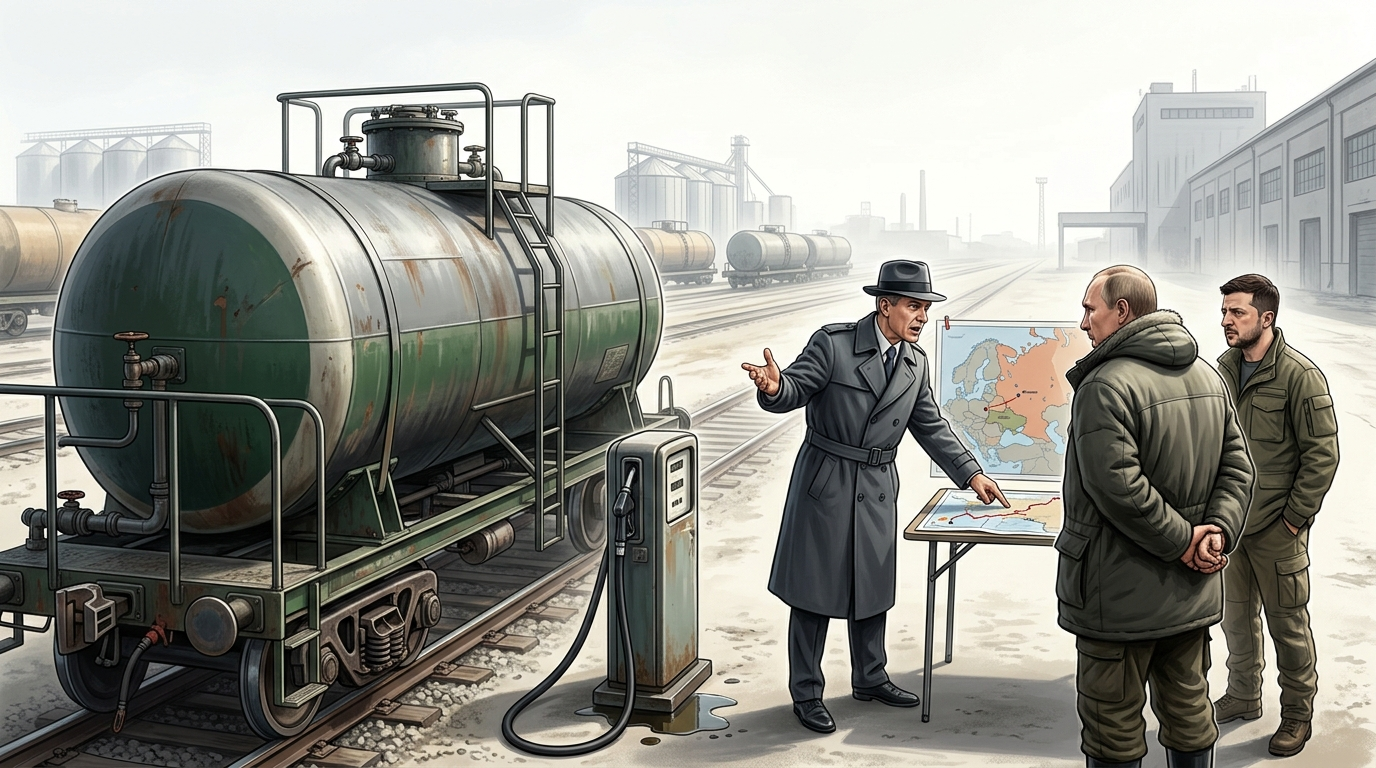
A diesel-related deal linked to President Donald Trump may have limited direct value for Russia, yet it could reshape the political pressure surrounding Ukraine. The larger questions concern Washington’s commitment, Kyiv’s bargaining position and Russian President Vladimir Putin’s response.
The immediate financial effects appear modest. Diesel trade alone is unlikely to change Russia’s fiscal position or determine the war’s course. However, energy transactions can carry political meaning far greater than their stated value.
Trump’s diesel deal “may do little for Russia’s finances, but it raises bigger questions about Ukraine’s leverage, U.S. support and Putin’s next moves.”
Limited Revenue, Wider Political Impact
Russia has long used oil and refined fuel exports to generate state revenue. Those earnings help support public spending and military operations. Western governments have responded with sanctions, import restrictions and price controls.
A narrow diesel arrangement would need significant scale to produce a major benefit for Moscow. Its real effect would depend on the volume, price, origin and route of the fuel. Enforcement of existing restrictions would also matter.
Yet even a small deal may signal that economic ties can be discussed separately from the war. Moscow could present that opening as proof that Western isolation is weakening. Ukraine may view the same development as a warning that economic priorities are gaining weight in U.S. policy.
Ukraine Faces a Leverage Problem
Ukraine relies heavily on U.S. military aid, intelligence and diplomatic backing. Any uncertainty in those areas can affect Kyiv’s ability to resist Russian forces and negotiate from a position of strength.
Trump has often approached foreign policy through transactions and direct negotiations. That method could place greater pressure on Ukraine to accept talks or compromises. Supporters may argue that such pressure could speed efforts to end the fighting.
Critics may counter that concessions made under military strain could reward Russian aggression. They also warn that reduced support could allow Moscow to seek better terms rather than negotiate seriously.


Three issues will shape Ukraine’s leverage:
- The timing and scale of future U.S. military assistance.
- Coordination between Washington and European governments.
- Whether economic talks require measurable Russian concessions.
Putin’s Next Calculation
Putin must decide whether a possible economic opening offers more value than continued military pressure. If Moscow believes U.S. support for Kyiv is weakening, Russia may delay negotiations and seek further territorial gains.
Alternatively, limited trade discussions could give the Kremlin a reason to engage. Economic relief, even if small at first, could become an incentive if linked to a ceasefire or other verifiable steps.
The risk is that Moscow could accept commercial benefits without changing its conduct. For that reason, the terms and enforcement of any arrangement would matter more than its public presentation.
Europe’s Role Grows
European governments also face a strategic choice. If Washington reduces or conditions its support, Europe may need to provide more weapons, financing and fuel security for Ukraine.
European states have already worked to reduce dependence on Russian energy since the full-scale invasion began in 2022. A U.S.-linked diesel agreement could complicate that policy if allies interpret it as a shift toward renewed commercial engagement.
The diesel issue is therefore less about one fuel transaction than the direction of Western policy. The key tests will be whether U.S. support remains dependable, whether Ukraine retains a voice in negotiations and whether Russia must make concrete concessions.
Future announcements on sanctions, military aid and peace talks will show whether the deal is an isolated commercial move or the start of a broader change. Putin’s reaction may provide the clearest answer.