


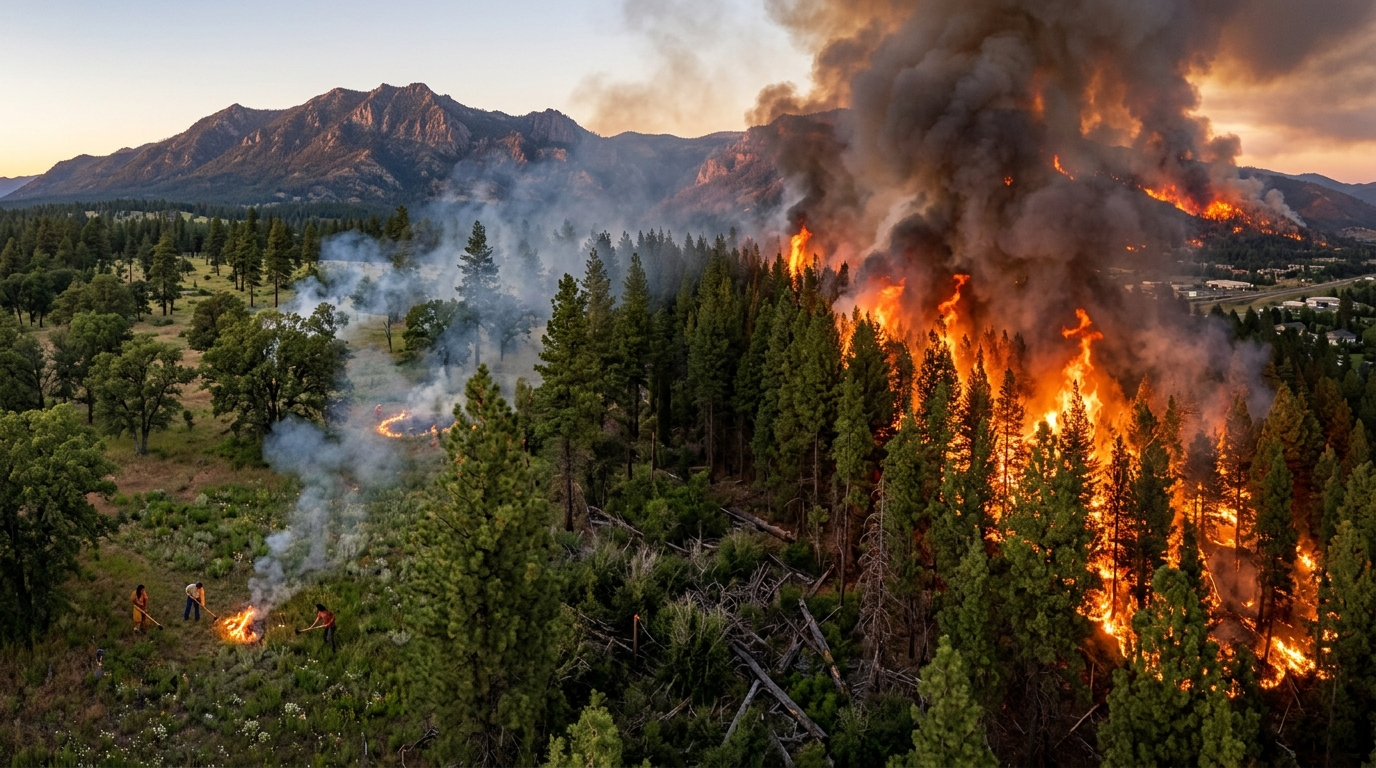
The suppression of Indigenous burning practices likely helped forests become denser and more flammable, according to a finding reported by Nature. The conclusion adds urgency to efforts that restore cultural fire as severe wildfires threaten communities, ecosystems and public health.
Indigenous peoples have used carefully planned burns for generations. These low-intensity fires remove grasses, shrubs and fallen branches. They can also protect important plants, support wildlife habitat and reduce fuel near settlements.
Colonial governments restricted many of these practices as they removed Indigenous communities from their lands. Authorities often treated nearly every forest fire as a threat. That policy left dead vegetation and young trees to build up in some forests.
How Fire Exclusion Changed Forests
Fire is a normal ecological process in many forests, woodlands and grasslands. Frequent, mild burns can create open spaces between trees and limit the vegetation that carries flames into forest canopies.
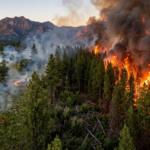
When those burns stop, shade-tolerant trees and thick brush may spread. Dead wood can also accumulate. During hot and dry weather, these fuels can support larger, faster and more damaging fires.
“The suppression of Indigenous burning practices probably spurred the growth of flammable forests.”
The wording is important. The finding points to a likely historical driver, but it does not suggest that fire exclusion is the sole cause of current wildfire losses.
Climate change is increasing heat and drying vegetation in many regions. Housing growth near forests also places more people and property in harm’s way. Logging history, invasive plants and local forest types can further shape fire behavior.
Cultural Burning Is More Than Fuel Removal
Cultural burning differs from a standard prescribed burn. Government agencies often use prescribed fire mainly to lower fuel levels or meet ecological targets. Indigenous fire can also serve cultural, spiritual and food-gathering purposes.



Burn timing, location and intensity may reflect close knowledge of local plants, animals, weather and seasonal cycles. These practices vary among Indigenous nations and should not be treated as one universal method.
Supporters say restoring Indigenous leadership could improve fire management while recognizing rights that past policies denied. Several barriers remain:
- Burn permits can be slow or difficult to obtain.
- Smoke rules may limit safe seasonal opportunities.
- Agencies may lack trained staff and stable funding.
- Liability concerns can discourage controlled burning.
There are also practical limits. Cultural burning cannot prevent every destructive wildfire, especially under extreme heat, drought and wind. Some ecosystems burn rarely and may be harmed by fire applied too often.
Policy Shifts Require Shared Authority
Many fire agencies now accept that decades of suppression created dangerous fuel loads in fire-adapted forests. Yet recognition alone does not transfer decision-making authority to Indigenous communities.
Effective partnerships require long-term funding, access to ancestral lands and respect for Indigenous knowledge. They also require coordination with public health officials, nearby residents and emergency services when smoke or fire could cross property lines.
The finding reported by Nature strengthens the case for examining how colonial fire policies altered forests. It also warns against relying only on firefighting after flames begin.
The next test will be whether governments move from consultation to durable partnerships. Restoring carefully managed fire will not erase wildfire danger, but it may reduce hazardous fuels while renewing cultural practices that sustained many ecosystems for generations.