




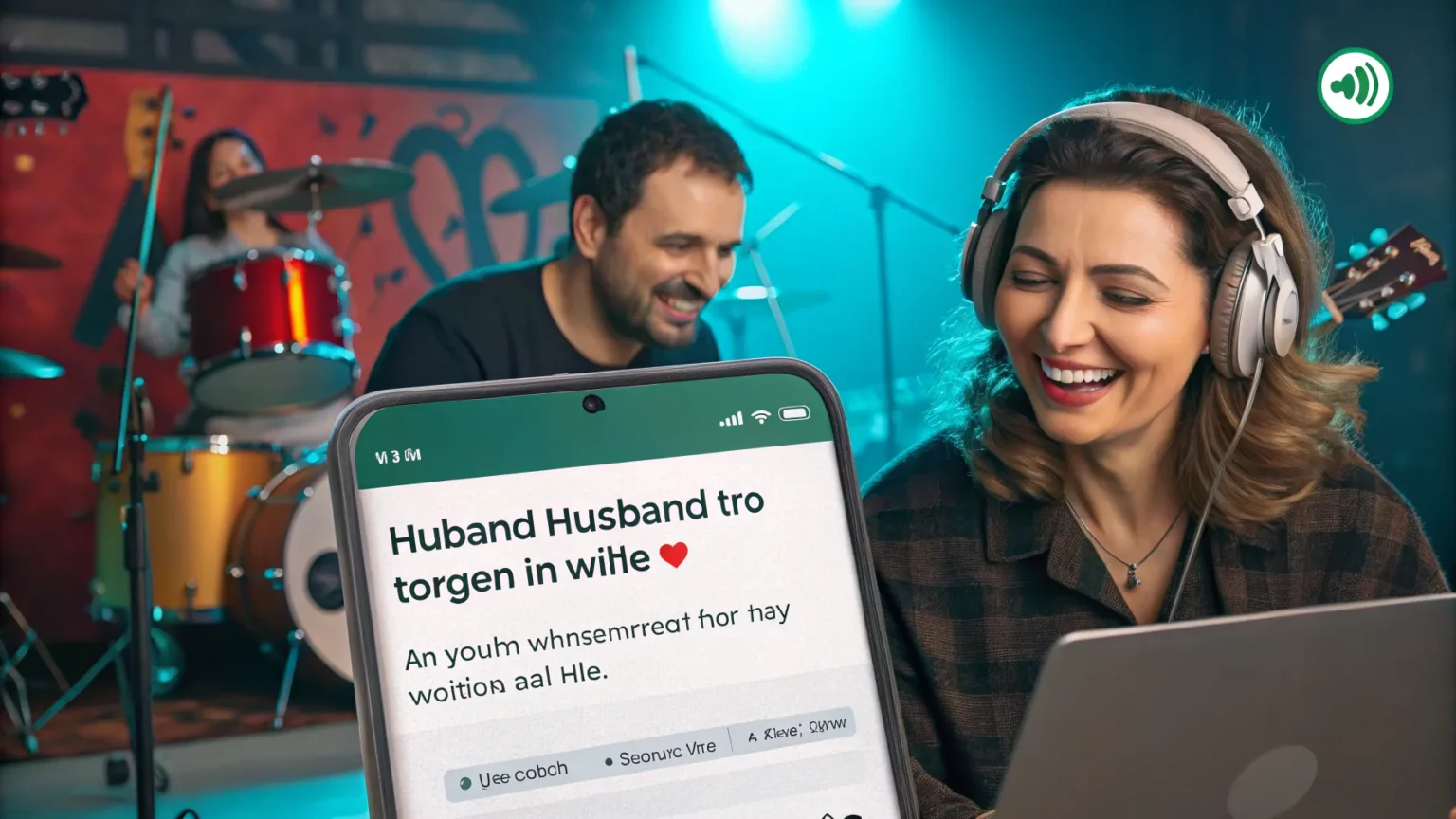
An everyday text thread has become the latest spark for viral music, as new AI tools turn messages into high-energy tracks that spread across social media. In one standout example, a husband remixed his pregnant wife’s texts into a punchy punk song that drew millions of views. NBC News’ Camila Bernal spoke with the couple and even tried the trend herself, showing how fast the idea is catching on and how easy the tools are to use.
A Viral Hit Born From Texts
The song that helped launch wider attention started as a private exchange. The husband took short, direct messages from his wife and fed them into an AI music tool. Within minutes, he produced a track with driving guitars and sharp vocals. The post exploded, tapping into a mix of humor, anticipation, and the raw honesty of pregnancy updates.
“Everyday texts are becoming viral songs as people use AI to turn messages into high-energy tracks.”
Viewers shared the clip across platforms, praising the idea and the catchy hook. The couple’s story shows how these tools are lowering the barrier to creating and sharing music. Bernal’s segment highlighted the simple workflow, which helped more users try it for themselves.
How The Trend Works
Most tools in this space follow a similar path. A user supplies written text or a rough spoken line. The software then maps those words onto a melody and style. It adds instruments, timing, and effects to match the chosen genre, from pop to metal to punk. The result is a track that can be posted in a matter of minutes.
- Input: everyday messages, captions, or short voice notes
- Style: select genre and tempo
- Output: a shareable track built from the original words
Creators say the appeal is speed and surprise. Listeners hear plain language turned into a chorus or verse. The format fits well with short video apps, where strong hooks and quick payoffs drive engagement.
Why It Resonates Now
Short-form platforms reward ideas that are simple to copy and remix. Turning texts into songs checks both boxes. It also builds on earlier memes where people sang customer reviews, recipes, or work emails. The new twist is the ease and volume of AI output. What once took hours in a studio can now happen on a phone.
For many, the charm lies in the contrast between plain words and polished music. Updates about doctor visits, cravings, or chores become punchlines and hooks. The couple at the center of the viral punk track leaned into that contrast, and the internet responded.
Benefits And Risks For Creators
These tools give more people a path into music-making. They can help non-musicians try ideas, test genres, and learn basic structure. They also help experienced artists prototype faster. But the trend raises questions that users should weigh.



- Consent: make sure message senders agree to have their words used.
- Privacy: avoid posting private details that could identify someone.
- Copyright: AI can mimic styles; users must avoid copying protected works.
- Monetization: platforms may limit how AI-generated songs earn money.
Bernal’s on-air test stressed the importance of consent, especially when songs use texts from family members. The couple featured in the viral post had discussed the idea in advance, which helped keep the reaction positive.
What It Means For Music And Media
Labels and publishers are watching closely. If text-to-song memes keep growing, they could influence how hooks are written and how artists engage fans. Brands may try campaigns built from customer comments or reviews set to music. At the same time, platforms will face pressure to mark AI tracks and handle takedowns when needed.
Educators also see a teaching use. Converting homework notes or historical speeches into songs could help students remember key points. Simple tools and clear steps make classroom adoption easier, with proper guardrails on privacy.
What To Watch Next
Expect more genre experiments, collaborations, and duet chains that build on a single text thread. Tool makers are racing to add features, from custom voices to one-click mastering. Clear rules on consent and credit will shape how far the trend goes. The viral punk hit from a pregnancy text shows the upside: fast, funny, and catchy. The next wave will test whether these songs can move from quick memes to lasting formats.
For now, the message is simple. Turn a few lines into a hook, keep it personal and kind, and ask before you post. The internet might sing along.