




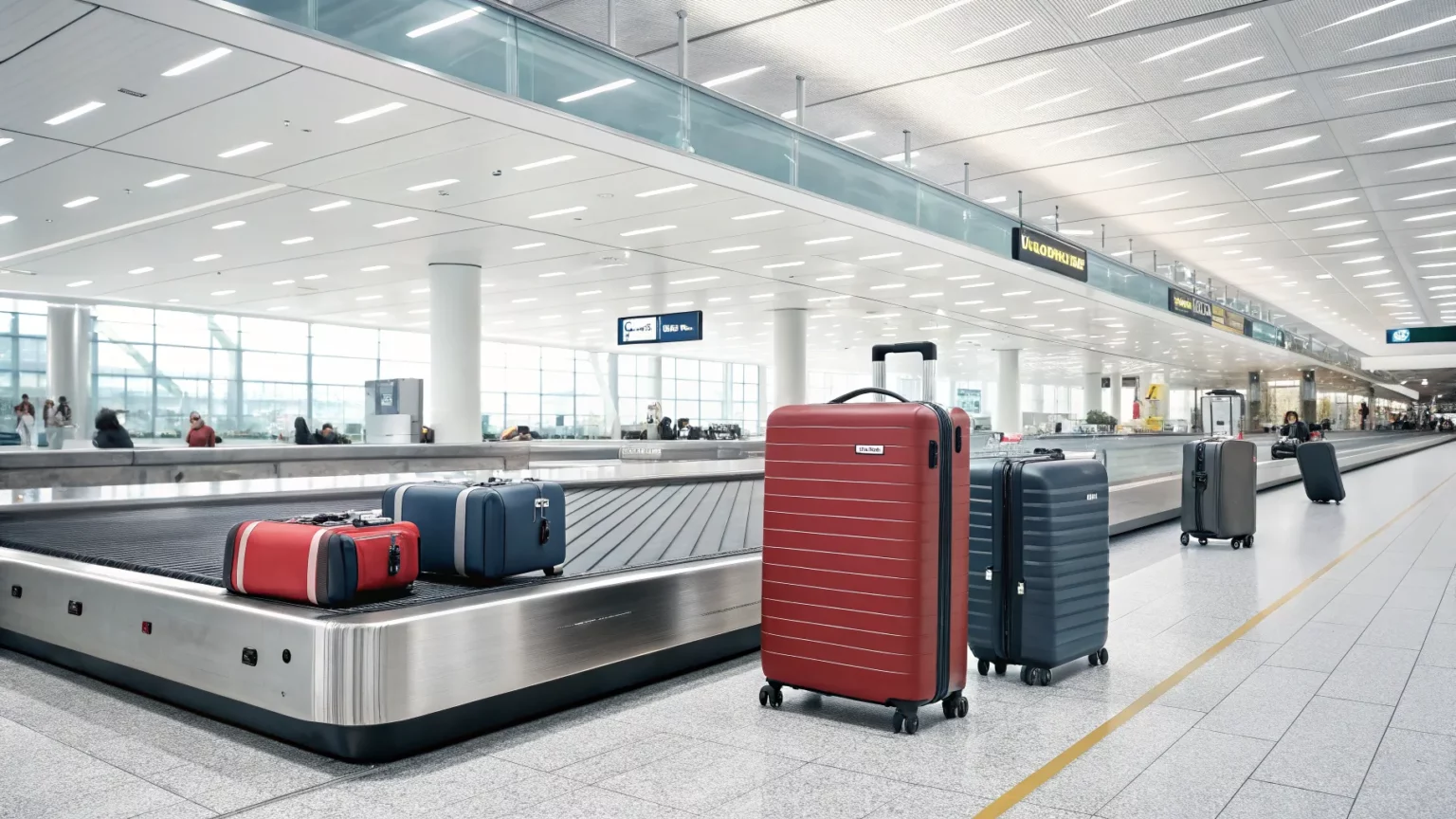
As global travel rebounds, big names in luggage are still winning at the airport. Samsonite, Tumi, and Rimowa remain the default choice for many travelers, even as new labels try to break through. Their dominance is visible at check-in counters from New York to Singapore, where brand logos still dot the belt.
Overall, legacy brands like Samsonite, Tumi, and Rimowa still command the baggage carousel.
The persistence of these brands reflects a mix of history, quality perception, and reach. It also shows how hard it is for newcomers to beat scale and service at the same time. The question now is whether that lead will hold as tastes shift and prices rise.
How Heritage Turned Into Staying Power
Samsonite dates back more than a century. It built its name on mass-market reach and dependable designs. In 2016, it acquired Tumi, which brought a premium business audience under the same corporate roof. Rimowa, known for aluminum grooves and German engineering, joined LVMH in 2016 and moved even further upmarket.
Decades of retail partnerships give these companies prime space in airports and department stores. They also run large repair networks and offer multi-year warranties. That service footprint keeps existing customers loyal and attracts new ones who want support if a wheel breaks overseas.
New Challengers Push Style and Price
Direct-to-consumer brands like Away, Monos, and July have built strong followings online. They target travelers who want clean design, lower prices than luxury labels, and simple choices. Their rise pushed incumbents to refresh colors, trims, and interiors while keeping a wide range of sizes.
But scale matters. Shipping bulky products is expensive. Returns and repairs add cost. Legacy brands can spread those costs across many lines, from budget to luxury, which helps them keep shelves stocked and service centers open.
What Keeps Shoppers Coming Back
Travelers say they want durability, light weight, and smooth wheels. They also value a clear warranty and easy repairs. Those needs favor companies with proven parts and ready access to service.
- Distribution in airports and major retailers
- Broad size options that meet airline rules
- Warranty terms that are easy to use
- Visible status signals for premium tiers
Materials also play a role. Polycarbonate remains popular for light hard cases. Aluminum serves the luxury tier with a distinctive look. Soft nylon and ballistic fabrics keep a hold in business travel, where pockets and expanders still matter.



Pricing, Positioning, and the Status Effect
Rimowa leans into luxury with high prices and collaborations. Tumi targets professionals with premium nylon, organized interiors, and a strong service pitch. Samsonite spans price points and speaks to families and frequent flyers alike. That tiered approach covers most budgets without losing brand focus.
A suitcase is often visible for hours in public spaces. That gives brand badges added weight. Legacy labels benefit from this status loop. The more their logos appear on the belt, the more buyers assume they are a safe pick.
Sustainability and Tech: Signals, Not Deciders
Recycled fabrics, repair-first programs, and spare-part availability are gaining notice. Trackers and digital tags are entering the mix, but many airlines still resist non-removable batteries. Shoppers appreciate these features, yet most still buy on durability and price first.
Legacy brands can pilot new materials while keeping proven lines in production. That limits risk if a new shell scuffs too fast or a handle design fails under load.
What to Watch Next
Airline carry-on rules may tighten again as cabins fill. That would favor brands that release frequent size updates and offer clear fit guides. Currency swings and materials costs could add pressure to prices. Newcomers will keep using social media and limited drops to spark attention, while incumbents lean on service and reach.
For now, the pecking order is clear. Big brands still set the pace, while challengers push style and value from the edges. Travelers benefit from more choice and faster product refresh cycles.
The balance could shift if shipping costs fall, repair networks expand for upstarts, or airlines standardize bag sizes. Until then, the most familiar names are likely to keep their lead where it counts: on the carousel and at the gate.