

African economies have weathered the energy crisis linked to the Iran war better than expected, but shrinking aid has increased their exposure to future shocks.
The head of the International Monetary Fund’s Africa department issued the warning Thursday in Bangkok. The assessment points to a mixed outlook: recent economic resilience has limited immediate damage, while weaker outside support has reduced governments’ room to respond to the next crisis.
Energy Shock Tests African Economies
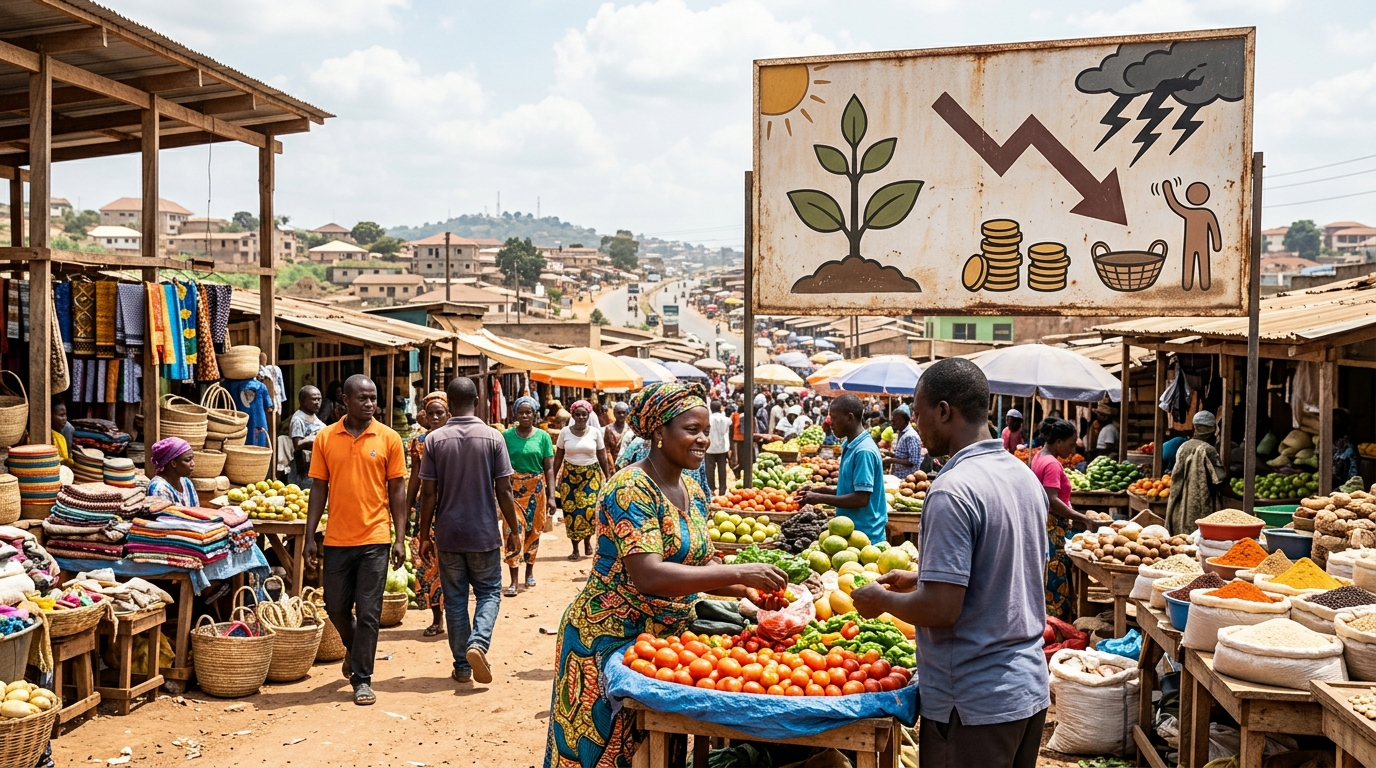
Energy crises can place severe pressure on African countries, especially those that import large amounts of oil and gas. Higher fuel costs often raise transport, food, and electricity prices.
Those increases can spread through national economies. Households lose purchasing power, companies face higher operating costs, and governments may spend more on subsidies or emergency support.
According to the IMF official, African economies have managed the latest disruption fairly well. That suggests the energy shock has not caused the level of economic damage that some observers may have feared.
The regional picture is unlikely to be uniform. Oil exporters may gain from higher prices, while import-dependent countries face larger bills. Nations with stronger public finances also have more options than heavily indebted governments.
Falling Aid Creates New Risks
The decline in international aid presents a separate challenge. Assistance can fund health services, food programs, infrastructure, and support for people displaced by conflict or natural disasters.
When aid falls, governments may have to cover those costs from already strained budgets. Some may borrow more, cut services, or delay development projects.



The IMF warning identifies several areas of concern:
- Less funding for emergency responses
- Greater pressure on public budgets
- Reduced protection for low-income households
- Weaker capacity to absorb another global shock
This financial pressure matters because many African countries have faced repeated disruptions in recent years. Pandemic-related losses, high food prices, debt burdens, drought, and regional conflicts have limited the ability to rebuild fiscal reserves.
Resilience Does Not Remove Vulnerability
The IMF’s assessment separates short-term performance from long-term readiness. Managing one energy crisis does not mean governments are prepared for another surge in prices, a recession, or a climate emergency.
Economic growth alone may also provide an incomplete measure of stability. A country can record expansion while families continue to struggle with inflation, unemployment, or reduced public services.
For policymakers, the challenge is to preserve growth without adding unsustainable debt. Governments may need to target energy support toward vulnerable households rather than apply costly subsidies across the whole population.
International lenders and donor governments also face difficult choices. Reduced aid may reflect tighter budgets elsewhere, but abrupt cuts can shift greater costs onto countries with limited access to affordable financing.
What Policymakers Will Watch
Future IMF forecasts will help show whether Africa’s recent resilience can last. Key measures will include energy prices, inflation, debt costs, foreign investment, and the scale of development assistance.
The central message is cautious. African economies have so far absorbed an energy shock tied to the Iran war, but their defenses may be thinning. If aid continues to decline, another crisis could cause wider and longer-lasting harm.
Governments, lenders, and donors will now need to focus on rebuilding financial buffers and protecting essential services. The next test may reveal whether recent stability reflects lasting strength or only a temporary reprieve.