



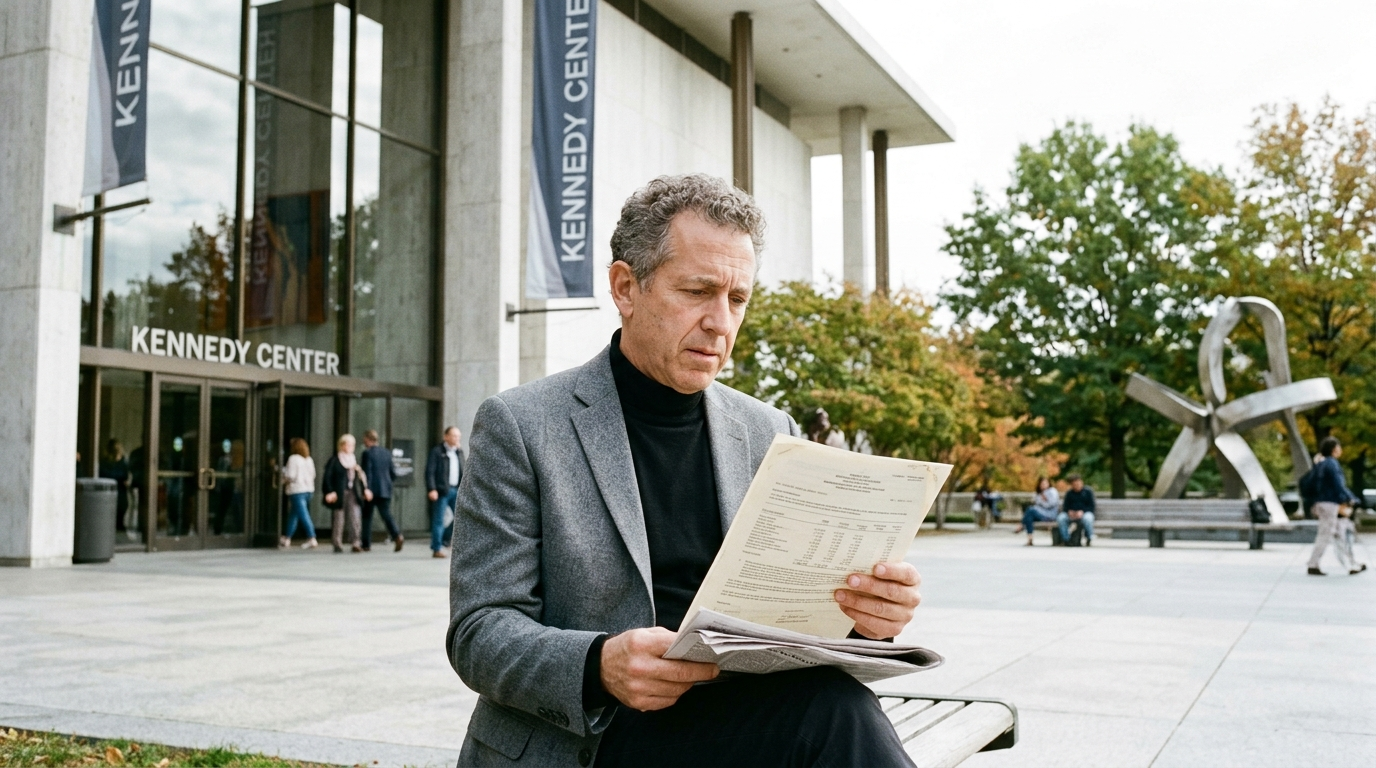
The Kennedy Center owes more than $250,000 to a jazz musician who canceled a performance after President Donald Trump’s name was added to the venue, according to a reported financial claim.
The dispute links a major payment obligation to a protest over the identity of one of the nation’s best-known performing arts institutions. It also raises questions about contracts, artistic freedom, and the financial cost of political conflict.
A Cancellation Becomes a Financial Dispute
The musician withdrew from the scheduled engagement in protest of the decision to add Trump’s name to the performing arts venue. The artist’s identity, performance date, and contract terms were not disclosed.
The amount at issue exceeds $250,000. That makes the cancellation more than a symbolic disagreement. It is also a substantial business matter for the musician and the Kennedy Center.
Several details remain unclear, including whether the sum represents an unpaid performance fee, damages, expenses, or another contractual obligation. No explanation was given for how the amount was calculated.
The Kennedy Center’s position on the debt was also not provided. Without the contract or statements from both parties, it is unclear whether the institution accepts the obligation or plans to challenge it.
Politics Enters an Arts Institution
The cancellation shows how political decisions can affect programming at publicly prominent cultural organizations. Names, leadership choices, and institutional honors can influence artists who view their work as tied to personal values.
For the musician, canceling the show served as a direct protest. For the venue, the decision may create financial, scheduling, and reputational consequences.



The central issues include:
- Whether the musician had a contractual right to cancel.
- Why the Kennedy Center allegedly owes more than $250,000.
- Whether another performer replaced the canceled act.
- How the naming decision may affect future bookings.
Artists often work under agreements covering fees, travel, rehearsals, promotion, cancellation, and unusual events. The exact wording of those terms could determine whether the payment is required.
Wider Risks for Performers and Venues
The case may concern other performers considering appearances at institutions associated with political leaders. Artists may face pressure from audiences, donors, or colleagues when accepting or rejecting such engagements.
Venues also carry risks. A cancellation can leave gaps in a program, trigger refund demands, and require costly last-minute replacements. A prolonged payment dispute may make negotiations with other performers more difficult.
At the same time, cultural institutions must serve audiences with differing political views. Supporters of the name change may see the protest as misplaced. Critics may argue that an artist should not be required to perform under a name the artist opposes.
The next steps will depend on the contract and any negotiations between the parties. Key developments to watch include a formal payment demand, a legal filing, or a public response from the Kennedy Center.
For now, the dispute illustrates a practical cost of mixing institutional identity with national politics. The unresolved $250,000 obligation could determine whether the protest ends as a canceled concert or grows into a larger legal fight.