




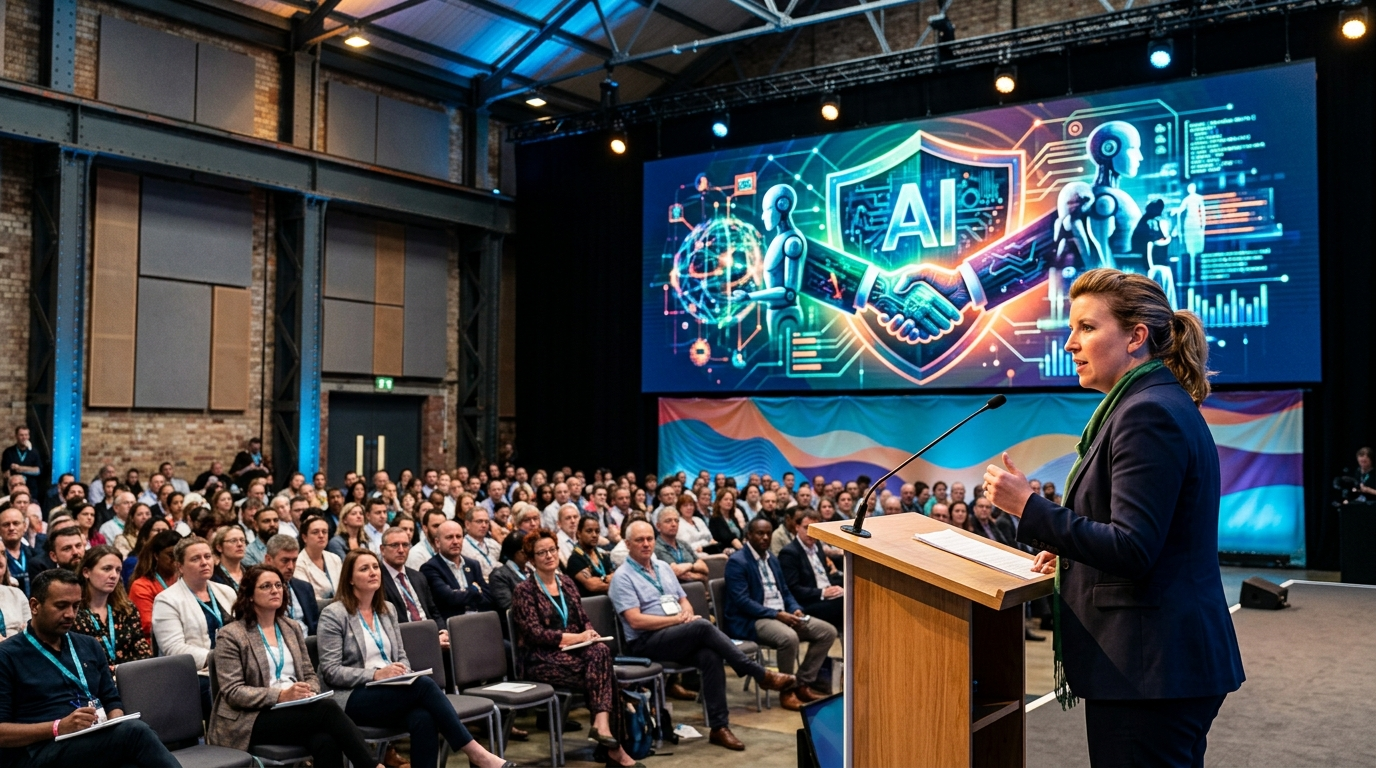
Louise Haigh is expected to confront rising concerns about artificial intelligence safety during an address to the TUC Congress on Tuesday.
The planned remarks will place AI policy before a major gathering of Britain’s trade union movement. The setting suggests that workplace risks, employee rights and public safeguards could feature in the discussion.
Details of Haigh’s proposals have not been released. However, the speech comes as workers and employers face difficult questions about how AI systems should be introduced and controlled.
Workplace Risks Move Into Focus
AI tools can help employers process information, automate routine duties and support customer services. They can also affect hiring, workplace monitoring and decisions about staffing.
Trade unions have pressed for workers to have a voice when employers adopt systems that may change jobs or assess performance. Safety concerns can include inaccurate results, unfair treatment and weak oversight.
The TUC Congress gives Haigh a platform to address those worries directly. It also allows unions to test whether political commitments will lead to enforceable protections.
Several questions are likely to shape the response to her comments:
- Will workers be consulted before AI systems are introduced?
- Who will be responsible when automated decisions cause harm?
- Can employees challenge decisions made or supported by algorithms?
- What safeguards will protect personal and workplace data?
Safety Debate Extends Past Job Losses
Public discussion about workplace AI often centers on jobs that could disappear. Yet safety issues reach further than employment numbers.



An automated system may influence recruitment, shift schedules or performance reviews. Errors in those settings can affect pay, promotion and job security. Limited explanations can make those decisions hard to contest.
Supporters of AI adoption argue that the technology can reduce repetitive work and improve services. They also warn that overly strict rules may slow useful investment.
Worker representatives take a different view. They argue that speed should not come before accountability, especially when software affects rights or livelihoods. This tension sits at the center of the wider policy debate.
Unanswered Questions Ahead of Speech
Haigh’s address will be judged on whether it offers specific action rather than broad reassurance. Clear standards for consultation, human review and legal responsibility would give unions and employers more certainty.
The timing also matters. Organizations are already testing or using AI, while regulation and workplace agreements continue to develop. Rules introduced after systems are widely established may be harder to apply.
No detailed policy, timetable or enforcement plan has yet been outlined for Tuesday’s comments. That leaves room for Haigh to define what AI safety should mean for workers and how protections could operate in practice.
The speech could signal a stronger role for unions in decisions about workplace technology. The key test will be whether the address produces measurable safeguards, clear accountability and a path for workers to challenge harmful automated decisions.