




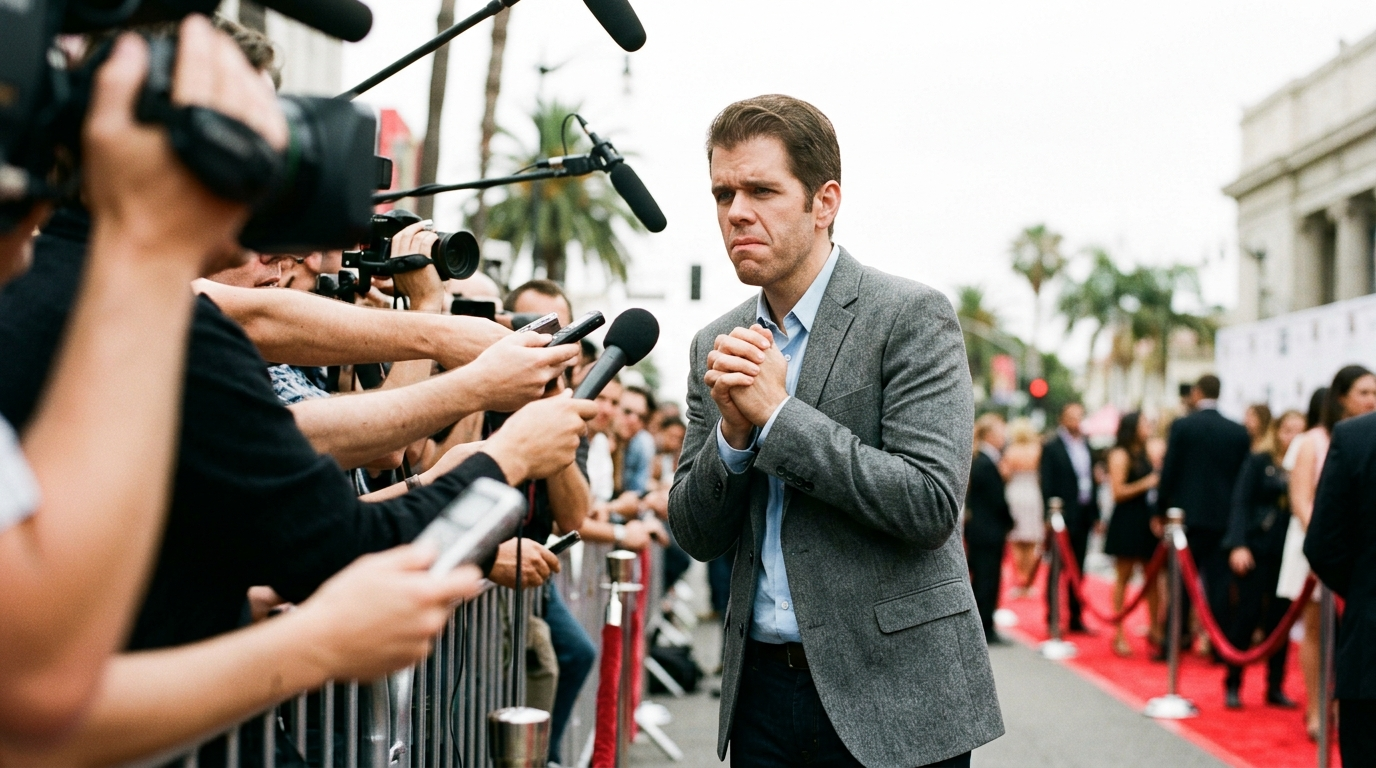
Perez Hilton may be losing access to the celebrity circle he spent decades building, according to a Daily Mail report. The claim raises fresh questions about whether relationships formed through gossip can survive changing loyalties and media habits.
The report said Hilton’s celebrity friends have “all seemingly abandoned him.” However, it did not identify the friends, describe recent disputes, or provide responses from Hilton and the people involved.
A Career Built on Celebrity Gossip
Hilton became a major online entertainment figure by publishing rumors, photographs, and sharp commentary about famous people. His work helped shape an early period of digital celebrity coverage, when blogs could move faster than magazines and television programs.
That approach brought him attention, access, and criticism. Celebrities could benefit from appearing on a widely read site, even while disliking its coverage. The result was an uneasy social bargain: publicity on one side, personal exposure on the other.
The Daily Mail characterized Hilton’s friendships as connections “cultivated through decades of peddling gossip.” That wording presents the reported split as a consequence of his career, rather than a routine change in social relationships.
“Perez Hilton’s collection of celebrity pals, cultivated through decades of peddling gossip, have all seemingly abandoned him.”
The Evidence Remains Limited
The report uses the word seemingly, an important qualification. It suggests an interpretation of public behavior rather than proof that every friendship has ended.
No specific examples were included in the available account. There were also no direct comments from Hilton, former friends, representatives, or independent observers. Without those details, several basic questions remain unanswered:
- Which celebrity relationships have reportedly ended?
- When did the alleged distancing begin?
- Did private disputes, career changes, or media coverage cause it?
- Has Hilton challenged or confirmed the account?
The word all also sets a high bar. A broad claim about an entire social circle would require reporting on many individual relationships. Public silence, fewer photographs, or missed events may suggest distance, but they do not establish a full break.



Access Can Shift With the Media Cycle
Celebrity friendships are often hard to separate from professional access. Publicists, event organizers, journalists, and entertainers may interact because each side gains attention. When audience habits shift, those ties can weaken without a dramatic falling-out.
Hilton’s rise came during the celebrity-blog boom. Social platforms later allowed stars to speak directly to fans, reducing their reliance on gossip websites. That change gave public figures more control over announcements, images, and personal narratives.
Past criticism of aggressive celebrity reporting may also affect who wants to maintain a visible association. A friendly photograph can become a public endorsement, whether either person intended it that way. For image-conscious stars, even casual company can carry a publicity price tag.
A Claim That Needs More Reporting
The account offers a striking picture of isolation, but not enough evidence to explain what happened. Hilton’s perspective would be central, as would named examples and clear timelines. Responses from the celebrities concerned would help distinguish personal conflict from ordinary distance.
For now, the report is best read as a claim about Hilton’s public standing, not a confirmed collapse of every celebrity friendship. Its larger point still has bite: access earned through gossip may be useful, but it can be fragile.
The next development to watch is whether Hilton responds or specific former friends speak publicly. Until then, the alleged abandonment remains more Hollywood mystery than settled fact, complete with a dramatic premise and a missing supporting cast.