


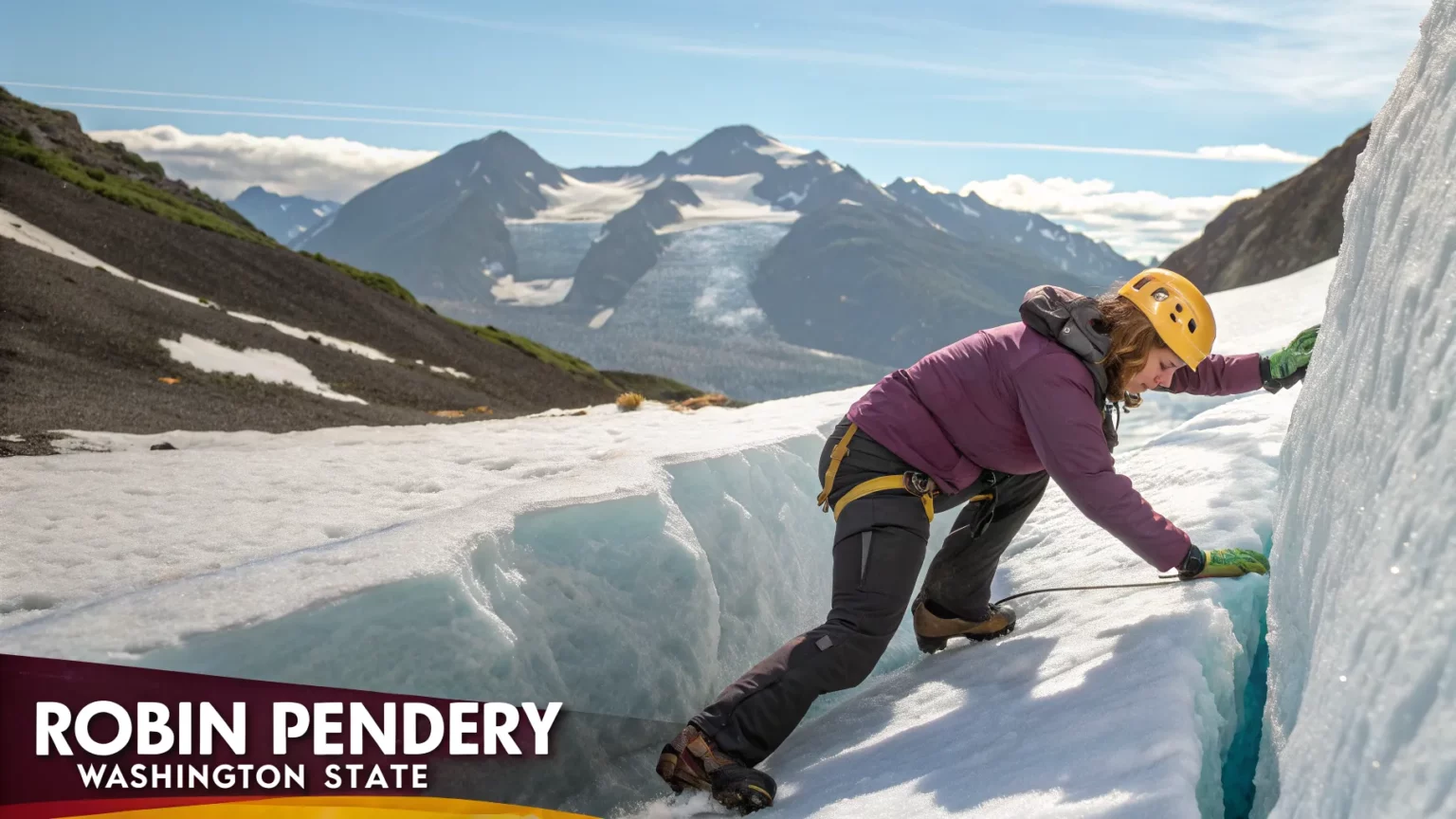
A woman identified as Robin Pendery of Washington state fell into a crevasse near a high-altitude work camp, according to the National Park Service. The incident happened near the 14,000 Foot Camp, a key base used by teams operating on a major North American peak. Officials did not immediately release details on her condition or the circumstances that led to the fall.
The report comes during a period when climbing activity increases and glacier hazards become more dynamic. Search and rescue teams often face changing weather and shifting snow bridges at high elevation. The event has renewed focus on crevasse risk and the work that support teams do on the mountain.
What Happened
“Robin Pendery of Washington state fell into a crevasse near her work base, the mountain’s 14,000 Foot Camp,” NPS said.
The 14,000 Foot Camp sits on glaciated terrain where crevasses can be covered by thin snow layers. Those hidden gaps can collapse without warning. The area is a busy hub for climbers and support staff who move supplies, manage camps, and monitor conditions.
Authorities did not release the time of day or weather at the moment of the fall. High-elevation conditions can shift quickly, with sun-softened snow in the afternoon and hard, wind-packed surfaces after cold nights. Both can mask crevasse edges.
A Hazard Hidden in Snow
Crevasses form as glacier ice stretches and cracks. They can be many feet wide and hundreds of feet deep. Snow bridges can hide their openings, especially after recent storms or wind events. Even skilled travelers can misjudge the strength of a bridge.
Guides and rangers teach rope travel, use of anchors, and probing techniques to reduce the chance of a fall. They also train in crevasse rescue, which relies on fast communication and simple pulley systems to raise a person back to the surface.
The Role of the 14,000 Foot Camp
The 14,000 Foot Camp is a central staging point for climbers and work crews during the main climbing season. Teams stop there to acclimate, repair gear, and wait out storms. Rangers use the camp to track conditions and respond to emergencies higher and lower on the route.
Because of its location on a glacier, movement in and out of the camp often requires roped travel. Staff and climbers follow marked routes, but wind or snowfall can erase flags and wands overnight. That forces teams to rebuild safe paths across moving ice.


Rescue Protocols and Response
When a crevasse fall occurs, first responders secure the area, anchor ropes, and assess injuries. If the person is accessible, teams set up a haul system and extract them. In deeper or more complex falls, aerial support may be requested if weather allows.
NPS units train each season for these events, often practicing near camp. Rescue success depends on fast notification, stable snow, and the health of the person below. Nighttime cold can help stabilize snow bridges but makes treatment harder.
- Teams travel roped and manage slack carefully on glacier routes.
- Probing and wanded routes help map safe crossings.
- Early starts can reduce exposure to afternoon snow softening.
Seasonal Trends and Risk Factors
As climbing traffic rises during peak months, incidents can increase. Fresh snow hides old tracks and weak bridges. Warm spells thin coverings over deep cracks. Wind can redistribute snow, strengthening some bridges while weakening others a short distance away.
Past seasons show that crevasse falls can affect climbers, guides, and support staff alike. Training reduces risk, but it does not remove it. Even short trips between tents or work areas can be hazardous if a route shifts overnight.
What Comes Next
Officials are expected to review conditions around the 14,000 Foot Camp and adjust flagged routes if needed. They may also update guidance for teams moving cargo or setting lines near known crevasse fields. Any formal findings will likely focus on route marking, rope discipline, and timing of travel.
Pendery’s fall is a stark reminder of the thin margin for error on glaciated terrain. The camp supports vital work and many safe transits, yet hazards remain close. As the season continues, observers will watch for changes to protocols, possible weather-related route shifts, and any updates from NPS on the incident and overall safety measures.