



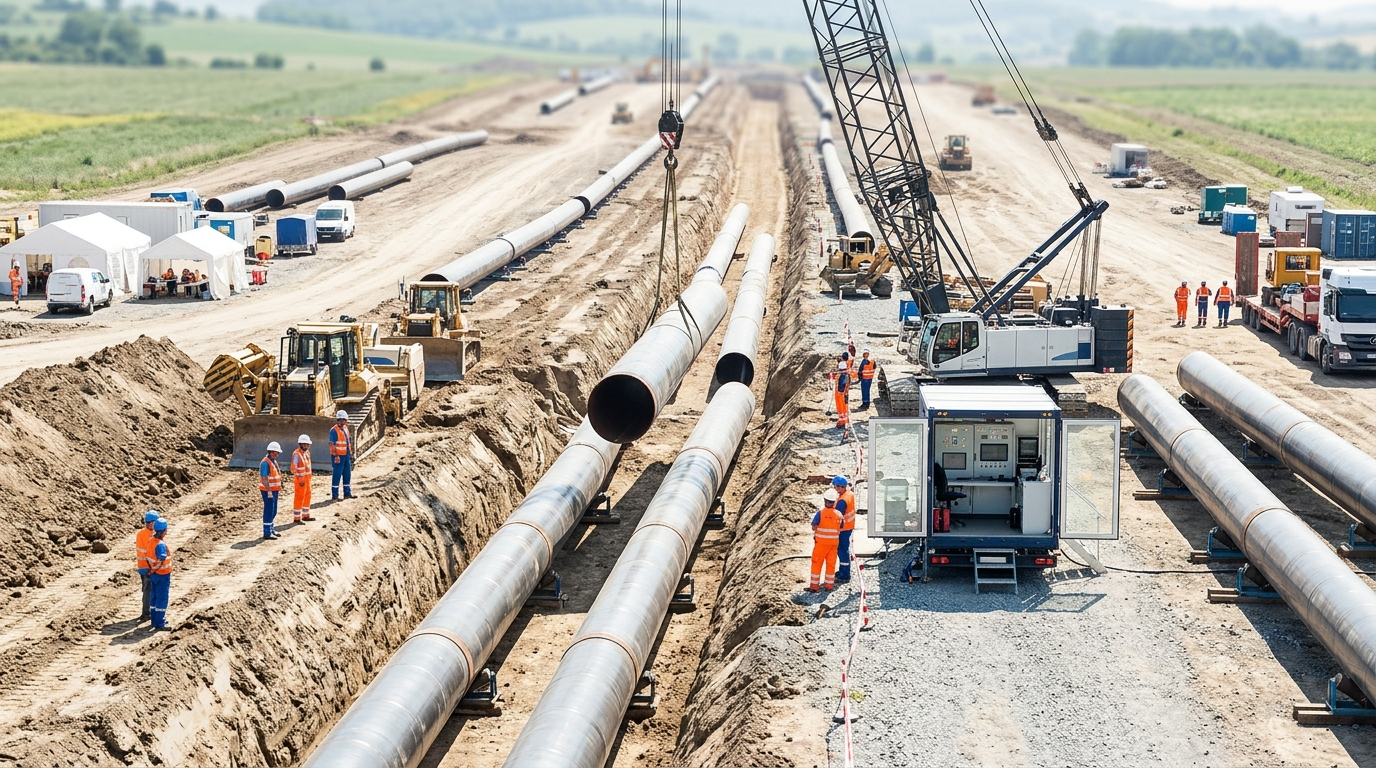
New oil conduits could strengthen energy security by adding supply routes, but their financial and environmental costs may complicate investment decisions.
The central trade-off is clear. Pipelines and related transport links can reduce dependence on a single route or supplier. Yet they require large amounts of capital, years of planning, and long-term demand.
Governments and energy companies must therefore weigh greater reliability against construction costs, public opposition, and the risk that oil use may fall before projects recover their investment.
More Routes Can Reduce Supply Risk
Energy security depends partly on having several ways to move fuel from producers to refineries and consumers. A disruption becomes more damaging when one route carries a large share of supply.
Additional conduits can provide alternatives during conflict, severe weather, maintenance, or transport accidents. They may also connect landlocked production areas with ports and major markets.
“New conduits for oil will improve energy security, but come at a cost.”
That assessment captures the policy challenge. Added capacity can offer protection against shortages, but infrastructure alone cannot remove exposure to global oil prices.
Oil remains an internationally traded commodity. Even countries with secure physical supplies may face price increases after disruptions elsewhere. New routes can ease local bottlenecks, though they may not prevent wider market shocks.
The Costs Extend Past Construction
Large oil projects require spending on planning, permits, materials, labor, land access, pumping stations, and safety systems. Operators also face continuing maintenance and inspection costs.


The final bill may include expenses that do not appear in an initial construction estimate:
- Land restoration and compensation for affected communities
- Spill prevention, emergency response, and insurance
- Security for routes crossing unstable areas
- Legal challenges and delays during permitting
- Future closure, removal, or site cleanup
Consumers may eventually bear part of these costs through fuel prices, taxes, or regulated transport charges. Investors also face the possibility of lower returns if demand weakens.
Long-Term Demand Creates Investment Risk
Oil infrastructure often operates for decades. That timetable can conflict with policies supporting electric vehicles, cleaner industry, and lower greenhouse gas emissions.
If oil consumption remains high, added transport capacity could improve reliability and reduce congestion. If demand falls faster than expected, some assets could become underused before their costs are recovered.
Supporters may argue that current fuel needs justify new routes, especially where existing systems are vulnerable. Critics may respond that the same money could support storage, public transport, power grids, or alternative fuels.
Environmental concerns add another layer. Pipelines can reduce some risks linked to road or rail transport, but spills can damage soil, water, and local economies. Construction may also disturb habitats and communities along a proposed route.
A Broader Security Strategy Is Needed
New conduits are most useful when they form part of a wider plan. Strategic reserves, varied suppliers, efficient refineries, and emergency coordination can each limit the effect of disruptions.
Decision-makers will need transparent cost estimates and realistic demand forecasts. They should also compare new construction with upgrades to existing routes and non-oil investments.
The main question is not whether added oil capacity can improve security. It can. The harder issue is whether each project delivers enough protection to justify its full economic, social, and environmental cost.
Future decisions will depend on route selection, financing, public consent, and expected oil demand. Close review of those factors will show whether new conduits become useful safeguards or expensive assets with shrinking value.