




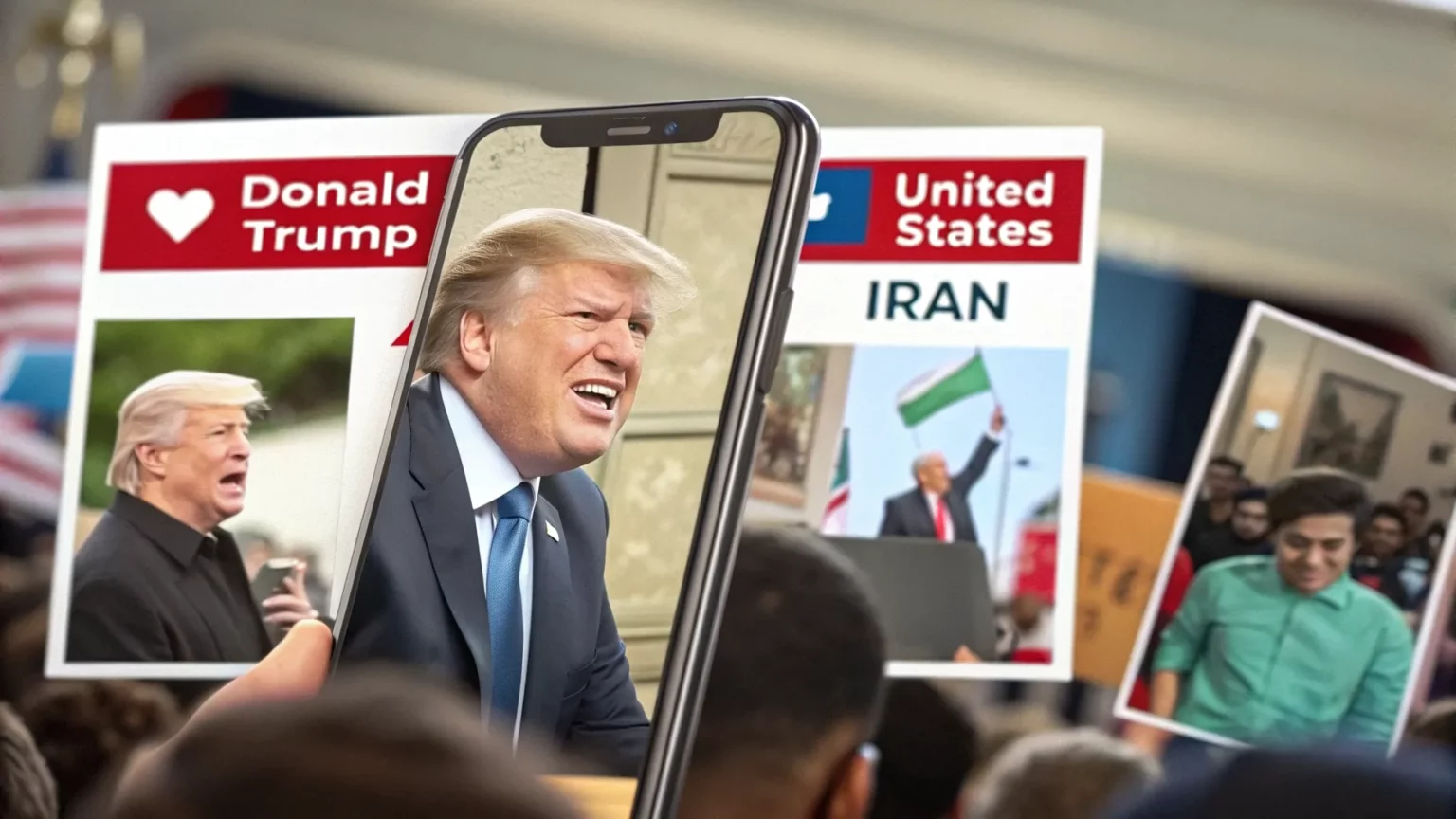
A surge of viral videos from a group calling itself Explosive Media has turned the Iran war into an online information fight, mocking former President Donald Trump and the United States across social platforms. Since the conflict began, the group has pushed more than a dozen clips that travel fast and play on emotion, timing, and satire to reach wide audiences.
The campaign raises questions about who is behind the effort, why it is happening now, and how the videos are shaping views in and outside the region. It also tests how platforms handle politically charged content during wartime and what governments can do to answer it without inflaming tensions.
A Growing Stream of Viral Satire
Since the beginning of the Iran war, the group Explosive Media has released over a dozen viral videos mocking Trump and the US.
The videos mix comedy with sharp political jabs. They often use short clips, bold captions, and trending sounds to drive shares. Their focus on Trump suggests the group is trying to tap into global name recognition and a long-running split in US politics. Mockery of the United States, especially its military posture and foreign policy, is a common thread.
Satire has long been a tool in wartime messaging. During past Middle East conflicts, media collectives and state outlets used skits, songs, and memes to score points and rally support. The format is simple: keep it short, keep it punchy, and keep it easy to repost.
Why This Content Spreads
Viral success often rests on three things: timing, clarity, and emotional punch. Explosive Media’s posts appear to meet those marks. They arrive quickly after key battlefield or diplomatic moments. They use simple visuals that work on any screen. They stir anger, pride, or ridicule, which fuels sharing.
Platform algorithms tend to reward engagement. That can push provocative clips higher in feeds. During conflict, audiences seek updates and meaning. Satire can offer both, even when facts are thin. The risk is that jokes blur lines with misinformation, especially when viewers see a clip out of context.
Who Might Be Behind It
Little is publicly known about Explosive Media. The name suggests a group skilled in attention-grabbing content. Without verifiable ownership or funding trails, analysts caution against quick conclusions about state links or direct coordination.
Open-source investigators often look for clues in upload patterns, language use, editing styles, and cross-posting partners. If many accounts boost the same video at once, it can point to a network. But organic surges happen too, especially when a clip hits the tone of the moment.



Impact on Politics and Public Opinion
The videos land at a sensitive time for US policy in the region and for domestic debates over foreign entanglements. Clips targeting Trump can echo through US politics even if they originate overseas. They may harden existing views rather than change minds, but they can shape what people talk about and how media frame the story.
For audiences in the region, the content may serve as morale-building or a way to deflect fear and grief with humor. For US viewers, it can feel like ridicule from abroad, which can spark backlash or demands for stronger counter-messaging.
How Platforms and Governments Respond
Social networks face pressure to act against content that could mislead or inflame. Yet satire and political criticism are protected speech in many places. Removing such videos risks claims of bias or censorship. Labeling can help by adding context, but labels are often ignored.
Governments can counter with timely facts, clear briefings, and credible messengers. Heavy-handed takedowns often fail and can boost the very posts they target by giving them an air of suppression.
What to Watch Next
- Whether Explosive Media scales up output or shifts themes as the conflict evolves.
- Signs of coordination across accounts that suggest a larger network.
- Platform policy changes for satire that targets political figures during war.
- Evidence that the videos influence mainstream coverage or official statements.
The surge from Explosive Media shows how fast-moving conflicts now play out on screens as much as on the ground. The group’s output blends humor and hostility in a way that is built for shares. It is also hard to counter without feeding its reach.
For readers and viewers, the safest approach is to treat viral satire as a starting point, not a source of facts. For platforms and governments, steady, transparent communication may blunt the sting better than takedowns or outrage. As the Iran war continues, expect more clips, sharper edits, and new targets—along with a running debate over how to handle them.