


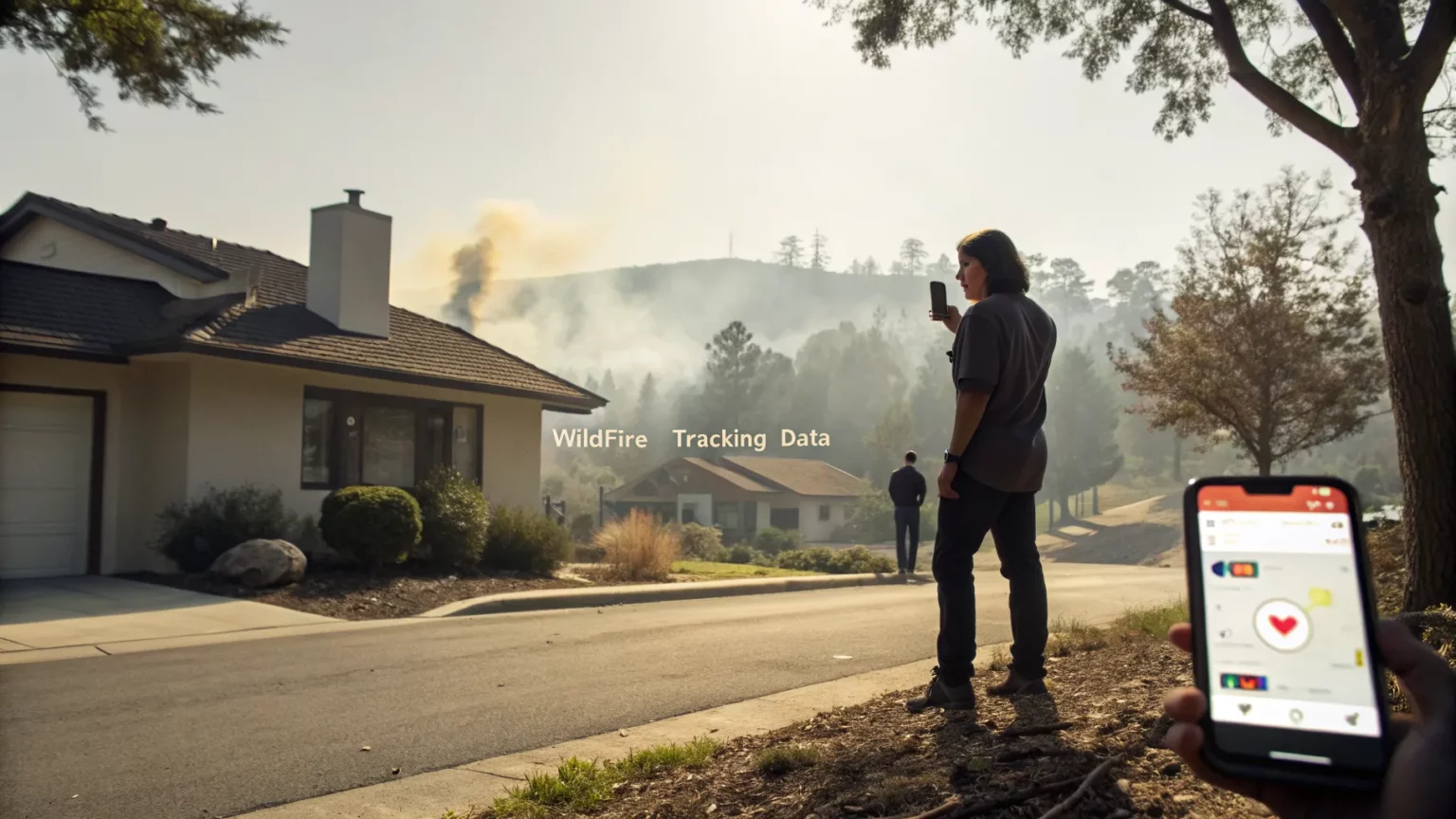
As wind-driven flames pressed into Los Angeles neighborhoods in 2025, a free wildfire tracking app called Watch Duty became the go-to tool for millions seeking fast, practical updates.
The app, built to push real-time fire information to cellphones, surged in use as residents watched smoke plumes and evacuation zones shift by the hour. In a sprawling city where traffic, terrain, and rumor can blur what is safe, people leaned on a single map to decide when to pack, when to go, and which routes stayed open.
The surge says something simple but urgent: during fast-moving disasters, reliable information can save lives as surely as a fire engine.
How a Free App Filled an Information Gap
During the LA fires, users opened Watch Duty for fire perimeters, scanner-informed updates, and evacuation notices collected in one feed. Push alerts helped people act quickly without scrolling news or social media.
The tool offered clarity when official channels were spread across multiple agencies and platforms. Many residents reported they could not monitor press conferences or wait for periodic briefings. They needed a single, timely signal.
Wildfire information is often fragmented. Local agencies post updates on different sites. Wireless alerts arrive unevenly. Neighborhood groups share tips that may be old within minutes. Watch Duty carved a niche by delivering continuous, map-based cues to a mass audience.
Why Real-Time Matters in a City Built on Speed
Los Angeles has fire history, steep canyons, and dense neighborhoods where a shift in wind can change the stakes fast. High heat days and dry fuel make spread rates jumpy. That raises the premium on minutes, not hours.
People used the app to weigh risks block by block. Some watched for spot fires near freeways. Others matched alerts with traffic apps to pick safer exits. Timely intel meant fewer wrong turns into smoke, and fewer last-second scrambles.



The 2025 fires pushed this point home. When evacuation lines moved, the public needed a living map, not a PDF posted at noon.
Citizen Tech Meets Official Response
The rise of Watch Duty during the crisis shows how public tools can complement fire agencies. It did not replace command decisions or official orders. But it helped residents stay oriented while crews fought on multiple fronts.
Emergency managers often encourage people to use multiple sources. A single feed can miss something, or a rumor can spread. The promise of an app like this lies in speed and clarity, paired with confirm-before-you-move common sense.
Any tech that amplifies emergency information also faces a core test: accuracy. During fast events, details shift. Apps that rely on trained monitors, clear sourcing, and quick corrections tend to earn trust.
What Users Needed Most
- Fast alerts about new ignitions and shifting perimeters.
- Clear, map-based evacuation zones updated as orders changed.
- Plain-language notes on wind, road closures, and shelter options.
Millions found those basics in one place during the LA fires, cutting through noise when seconds counted.
The Bigger Trend: Phones as Safety Gear
Wildfire seasons have grown longer and more intense across the West in recent years. That has pushed people to treat phones like safety gear, on par with go-bags and respirators.
Apps can offer early hints, but they also push a new habit: constant readiness. For many Angelenos, installing Watch Duty was as routine as signing up for local alerts and planning backup routes.
This shift has practical effects. When people evacuate earlier and choose smarter routes, responders can keep roads clearer for engines and ambulances. A little less panic helps everyone.
What Comes Next
The 2025 LA fires may be a turning point for public-facing disaster tech. Expect more interest in shared data standards and closer ties between apps and emergency operations centers.
Stronger tools do not remove risk. They make choices cleaner. The priority now is keeping updates timely, reducing false alarms, and guiding people toward official orders, not away from them.
As rebuilding begins, the takeaway is plain. In a city that moves at freeway speed, a free app gave people a faster way to make safer calls. Watch Duty did not put out flames. It gave residents a fighting chance to stay ahead of them.