



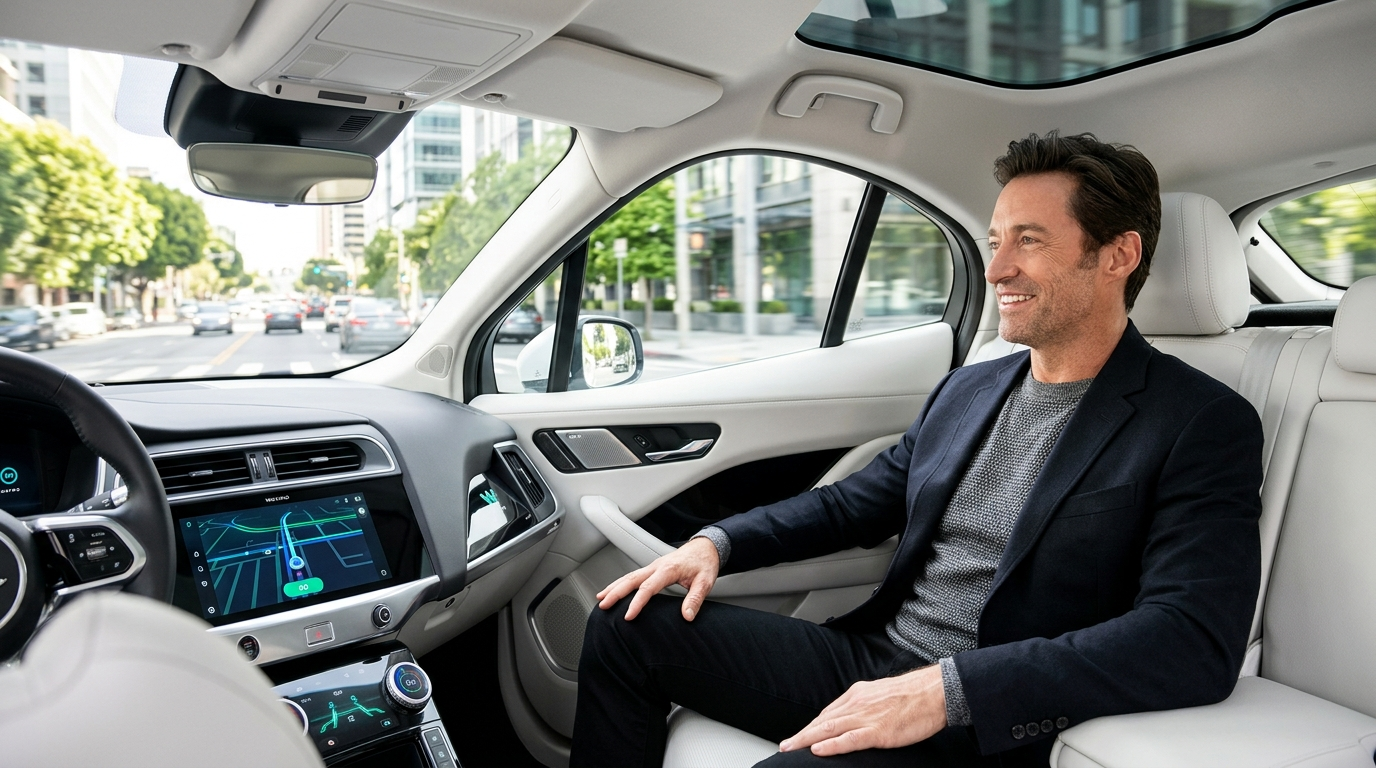
Waymo has put a famous face in the passenger seat to promote its sleek electric fleet and build trust in rides controlled by artificial intelligence.
The Alphabet-owned rideshare company featured a celebrity described as the “queen of entertaining” opening a vehicle and accepting a driverless trip. The message is simple: If a household icon can relax without a human driver, nervous passengers might follow.
A Familiar Face Meets an Unfamiliar Ride
Driverless vehicles present an unusual marketing problem. The product is not just the car or the app. It is the feeling of surrendering control to software.
Waymo’s promotion tackles that concern through familiarity. The celebrity passenger appears comfortable with the vehicle and its automated driving system.
She “completely trusts AI with the ride.”
That trust is the heart of the campaign. Waymo wants autonomous travel to look less like a science project and more like a routine trip across town.
The choice of an entertaining expert also adds a playful contrast. A person known for planning every detail is shown letting the car handle the route. For Waymo, that is a tidy sales pitch with four wheels and no chauffeur.
Why Electric Vehicles Fit Waymo’s Plan
The new fleet is described as electric, linking two major changes in transportation. One replaces gasoline engines with batteries. The other replaces direct human control with sensors, maps and software.
Those shifts can support each other. Electric platforms can be designed around passenger space and automated driving equipment. Fleet operators may also benefit from fewer moving engine parts and centralized charging.



Yet an electric vehicle is not automatically a driverless one. Waymo’s automated system must still interpret traffic lights, cyclists, pedestrians, road work and unpredictable drivers.
The company’s vehicles rely on several types of equipment to monitor their surroundings:
- Cameras identify road markings, signs and visible objects.
- Radar tracks movement and distance in varied conditions.
- Laser-based sensors help create a detailed view around the vehicle.
- Software predicts hazards and selects a driving response.
Trust Remains the Hardest Passenger
Waymo has spent years testing autonomous vehicles and developing paid ride services. Its ownership by Alphabet, Google’s parent company, gives it deep technical and financial support.
Public acceptance remains a separate challenge. Passengers may understand that computers already assist with braking, parking and lane control. A fully driverless ride still asks them to make a larger leap.
Celebrity endorsements can make that leap appear smaller. They cannot replace safety records, clear rules or reliable service. A polished video also cannot show every situation a vehicle may face on crowded streets.
Supporters argue that automated systems do not get tired, distracted or impaired. They say consistent software could reduce crashes caused by human error.
Critics point to difficult edge cases, including unusual construction zones and sudden behavior from other road users. They also want clear answers about responsibility when an automated vehicle makes a mistake.
Waymo Sells Normality, Not Novelty
The campaign signals that Waymo is moving its sales message away from technical wonder. The company is presenting driverless travel as polished, practical and ready for ordinary passengers.
That approach may prove more persuasive than a long explanation of sensors and code. Most riders do not want an engineering lecture before dinner. They want a clean car, a safe trip and an arrival without drama.
The new electric fleet gives Waymo a fresh visual identity, while the celebrity appearance supplies warmth and humor. Still, lasting trust will depend on daily performance rather than star power.
The next test is whether riders share the featured passenger’s confidence. If the vehicles deliver safe and dependable trips, driverless rides may begin to feel routine. If problems emerge, even the best host will struggle to make guests comfortable.