





Dealmakers across the continent are calling for recognition as the quiet force behind growth. At a time of rising private investment, cross-border trade, and infrastructure needs, their work shapes outcomes from financing to jobs and market access. The claim is simple and urgent: the people who structure and close deals have an outsized impact, yet they rarely get credit or scrutiny.
The core argument is that more attention on this group would improve transparency, raise standards, and draw fresh capital. It would also help local firms scale with better partners and fairer terms. As one industry voice put it, “The continent’s dealmakers deserve much more attention.”
Why Intermediaries Matter
Dealmakers include investment bankers, corporate lawyers, private equity partners, sovereign fund managers, and commercial negotiators. They sit between capital and companies. They turn ideas into transactions that close.
In many markets, these actors shape prices, terms, and governance. They decide which sectors get financed and which do not. Their track records tell investors where risk is manageable. Their local knowledge helps multinationals avoid costly mistakes.
When they perform well, capital moves faster. When they fail, projects stall and confidence fades. That influence makes their incentives and methods worth public attention.
The Visibility Gap
Founders, policymakers, and global brands often take center stage. The specialists who structure debt, align stakeholders, and navigate permits usually work in the background. That silence reduces accountability and learning.
Several forces feed the gap. Transactions span multiple jurisdictions with non-disclosure rules. Local media budgets are tight. Many deals close privately, with few details. The result is a thin record of who did what and why it worked.
What Better Coverage Could Change
Shining a light on deal teams would help investors judge quality. It would show how fees, timelines, and outcomes compare. It could also raise the bar for ethics and compliance by making practices visible.

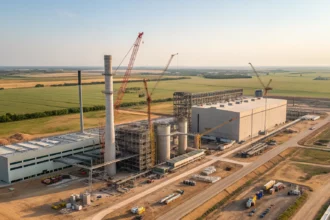

- Investors could benchmark advisors and terms.
- Entrepreneurs could find suitable partners faster.
- Public agencies could track execution quality on projects.
- Students and young professionals could see career paths.
Attention can also correct myths. Many assume there is a shortage of bankable projects. In some cases, the real issue is weak preparation or mismatched risk. Transparent case studies reveal those gaps.
Sectors Where Deals Shape Outcomes
Energy projects depend on skilled negotiators to balance tariffs, currency risk, and timelines. Transport concessions need teams that can align lenders, contractors, and regulators. Agriculture and health care benefit when contracts help small suppliers meet standards and get paid on time.
Technology mergers and growth rounds rely on legal and financial structuring that protects founders while meeting investor needs. When these details are handled well, companies expand faster and hire more.
Checks and Balance: Risks and Guardrails
More attention is not a free pass. Critics warn that publicity can fuel hype or hide conflicts of interest. Some deals may shift value from taxpayers to private players without clear benefits. Others can lock in high fees or strict covenants that strain companies in downturns.
That is why scrutiny should focus on facts. Terms, timelines, performance, and independent audits matter. So do environmental and social outcomes where public resources are involved.
How Stakeholders Can Respond
Responsibility does not sit with dealmakers alone. It involves media, universities, investors, and public bodies. A practical agenda would be simple and measurable.
- Publish plain-language summaries of major transactions.
- Create open databases of advisors, terms, and outcomes where confidentiality allows.
- Support training on valuation, negotiations, and ethics at local schools.
- Strengthen procurement and disclosure rules on public projects.
Voices From the Field
“The continent’s dealmakers deserve much more attention.”
That view reflects a demand for recognition and accountability. It suggests that the people who assemble complex transactions want their work seen and judged. Openness can reward skill and expose weak practice.
The case for more attention is practical. Better visibility can cut costs, reduce delays, and improve trust between local firms and global investors. It can also spread know-how across markets that need reliable power, roads, clinics, and digital services. The next phase should focus on disclosure and training, not fanfare.
In the months ahead, watch for simple steps: clearer post-deal reports, cross-border data sharing, and more teaching tied to real case files. If those habits take hold, capital will be more patient, projects will be better prepared, and communities will see results that last.