




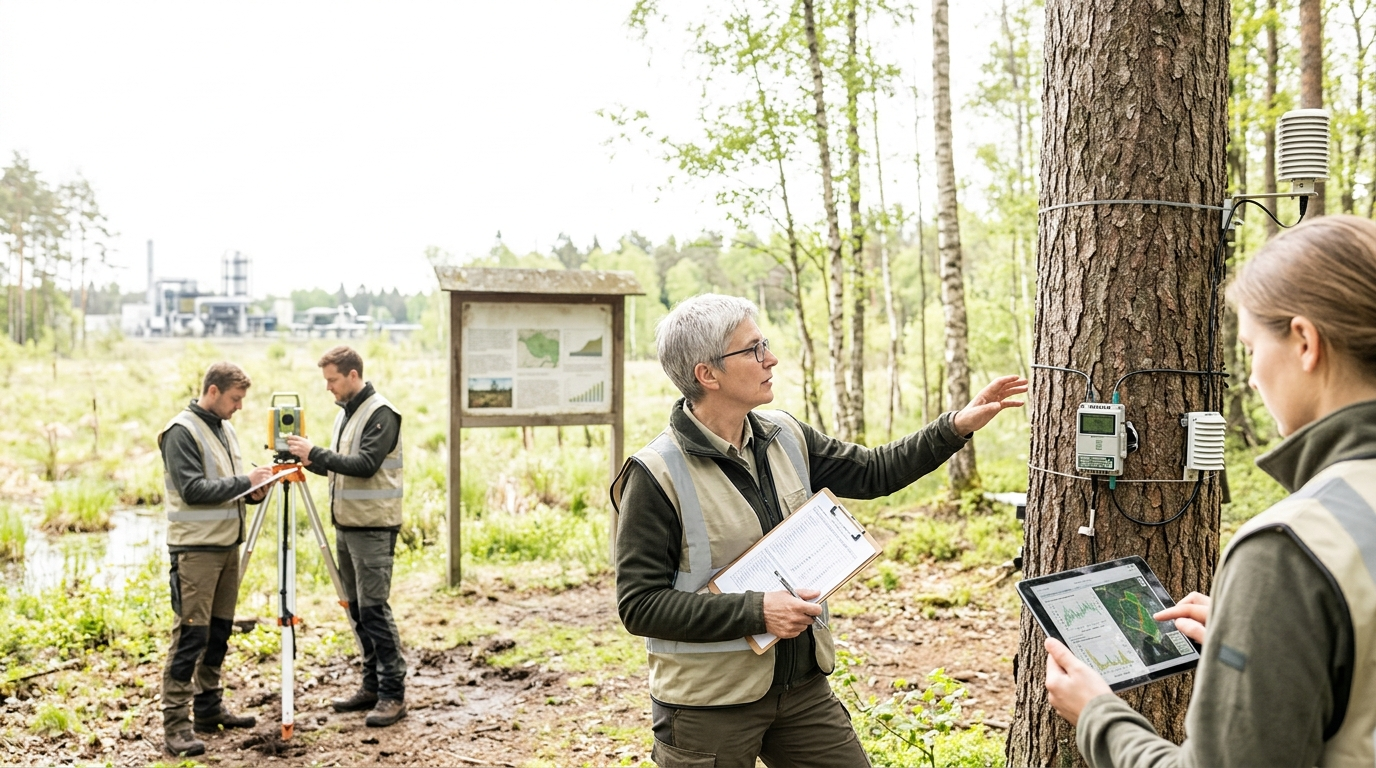
German authorities have flagged an ExxonMobil Holdings Corp.-funded carbon credit project among dozens suspected of overstating environmental gains or lacking legitimacy. The finding adds to concerns about whether companies can rely on carbon credits to support climate claims.
The review placed projects into several troubling categories. Authorities described them as “suspicious,” said they may have exaggerated their environmental impact, or found that some appeared to be fake. Details about the Exxon-funded project’s location, credit volume and alleged problems were not disclosed.
Carbon Credit Claims Face Scrutiny
Carbon credits are designed to represent reductions or removals of greenhouse gas emissions. Companies buy them to offset some of the pollution created by their operations, products or supply chains.
A credit generally represents one metric ton of carbon dioxide, or an equivalent amount of another greenhouse gas. Projects may protect forests, capture methane, replace polluting equipment or support cleaner energy.
The system depends on proof that each claimed reduction is real, measurable and additional. Additionality means the emissions benefit would not have occurred without income from credit sales.
Weak oversight can produce credits that do not match actual climate gains. Common concerns include inflated estimates, duplicate claims and projects that would have proceeded without carbon finance.
Questions Surround Exxon-Backed Project
The involvement of ExxonMobil Holdings Corp. gives the German findings added weight. Major energy producers have used carbon management programs while facing pressure to reduce emissions from fossil fuel operations.
However, funding a project does not by itself establish that the company designed its methods or knew about possible defects. The available information does not state whether German authorities accused ExxonMobil of wrongdoing.



The findings also do not show which category applied to the Exxon-funded project. A project considered suspicious may require further checks, while a fake project would present a more serious failure.
Key unanswered questions include:
- How many credits the project issued or planned to issue.
- Whether any credits were sold, retired or used in corporate climate claims.
- Which auditors, registries or project developers approved the reported benefits.
- What action German authorities may take after their review.
Credibility Risks Extend Across the Market
Questionable projects can harm buyers, investors and legitimate developers. Companies may need to withdraw climate claims or replace credits if reported emissions savings cannot be verified.
The case also highlights a basic limit of offsets. Credits can finance useful projects, but they do not remove the need for companies to cut pollution within their own operations.
Supporters of carbon markets argue that stronger monitoring and public records can direct private funds to projects that otherwise lack financing. Critics say uncertain estimates make some credits unsuitable for claims of canceled emissions.
For regulators, the next task is to identify who approved the projects and whether verification controls failed. Any enforcement decision could influence how companies assess credits and describe their environmental performance.
The German findings do not yet establish the final status of every flagged project. Still, the inclusion of an Exxon-funded effort shows that corporate backing offers no guarantee of environmental integrity. Further disclosures about project records, issued credits and regulatory action will determine the scale of the problem.