




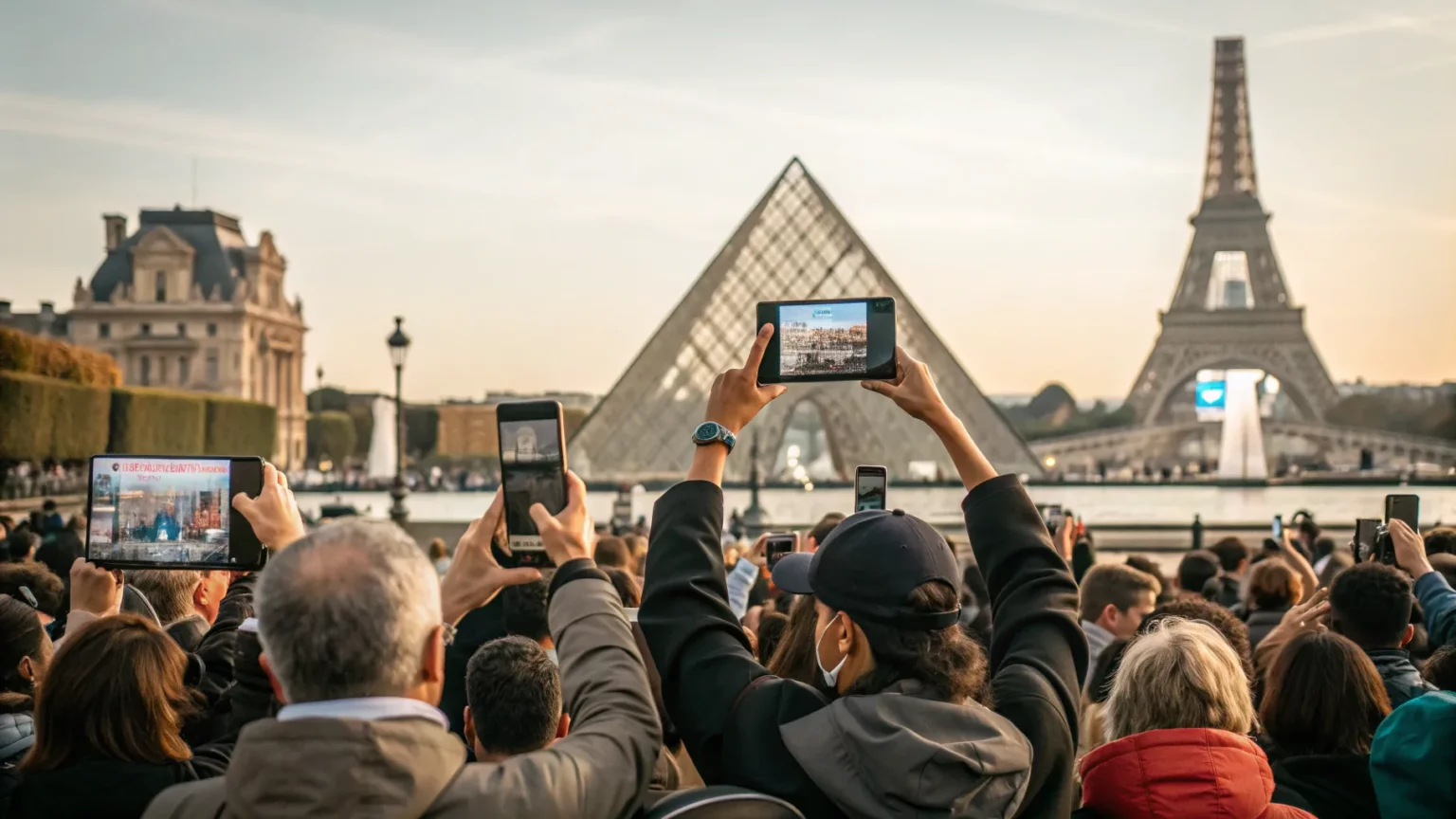
A surge of online chatter is reviving old myths about a world-famous landmark after the release of a new film. Social feeds, forums, and video platforms have seen a sharp rise in posts claiming hidden histories and secret plots. The claims echo past rumors, but they now travel faster and reach wider audiences.
The timing aligns with a recent theatrical release that leans on mystery and ancient riddles. Clips and memes tied to the film have fueled fresh interest. Researchers who track viral misinformation say the current wave began in recent weeks and gained strength through short video snippets and algorithmic boosts.
The internet and a new film have breathed life into old conspiracy theories about one of the world’s most famous landmarks.
Old Myths Find New Audiences
Conspiracy stories about historic sites are not new. Claims about secret chambers, coded messages, and lost civilizations have cycled for decades. What changes now is speed and scale. A single post can jump from a niche forum to millions of screens in hours.
Past cultural moments have shown a similar pattern. Popular entertainment can blur lines between fiction and fact. Viewers who enjoy the story often search for “evidence,” and some encounter misleading videos or posts that present fiction as research.
Educators say the pattern repeats: a strong story, a grain of truth, and a platform that favors engagement. This recipe turns long-debunked ideas into fresh content that looks new to younger audiences.
How Platforms Amplify Speculation
Social networks push material that holds attention. Conspiracy content often does that. It uses dramatic claims and cliffhanger posts to keep users watching. That helps it spread.
Short-form video makes it easy to remix scenes from films with archival images or maps. The format can look persuasive even when evidence is thin. Fact-checks, by contrast, are slower and reach fewer users.
- Engaging clips gain priority in feeds.
- Remixes and duets extend the life of claims.
- Corrections appear later and travel less far.
Cultural Heritage at Stake
Curators and guides worry about public trust. When false claims take hold, museums and site stewards field waves of hostile questions. Tours can turn into debates about rumors. Staff then spend time rebutting stories rather than teaching authentic history.


The issue also affects local economies. Landmarks depend on steady visitor interest and respect for conservation rules. Viral myths can prompt intrusive behavior by visitors who try to “prove” a theory, from touching restricted areas to staging unauthorized searches.
What We Know—and What We Do Not
Historians stress that reputable surveys, excavations, and imaging projects have mapped major sites with care. Results are published and peer reviewed. These studies rarely support the flashy claims found online.
Yet gaps in the record remain. Those gaps can invite speculation. Responsible scholars present uncertainty with care. Conspiracy narratives exploit it to make leaps that are not backed by data.
The Role of Filmmakers and Fact-Checkers
Producers often say their works are fiction. Still, marketing sometimes leans on “inspired by true events” language. That can encourage audiences to treat story elements as clues. Media literacy groups urge studios to add clear disclaimers and companion resources that separate plot from history.
Independent fact-checkers and heritage groups are responding with explainers, Q&A sessions, and annotated guides. They focus on the most shared claims and provide links to open research. Early engagement can reduce confusion before rumors calcify.
How Readers Can Assess Claims
Experts advise a simple process when encountering sensational posts:
- Check whether multiple reputable outlets report the same claim.
- Look for primary sources, such as published studies or site records.
- Beware of content that relies on anonymous insiders or secret maps.
- Note whether creators correct errors or block critical comments.
The latest surge shows how fast fiction can shape belief. A single film can revive tales that experts addressed years ago. The internet gives those tales fresh reach and polish.
Heritage officials plan new outreach, including virtual tours and verified timelines, to meet audiences where they are. Platforms face pressure to elevate accurate material when viral claims spike.
For now, curiosity remains high. The best guide is caution: enjoy the story, then look for reliable sources. Watch for clear evidence, transparent methods, and accountability from creators. That will matter as new releases spark the next wave of speculation.