



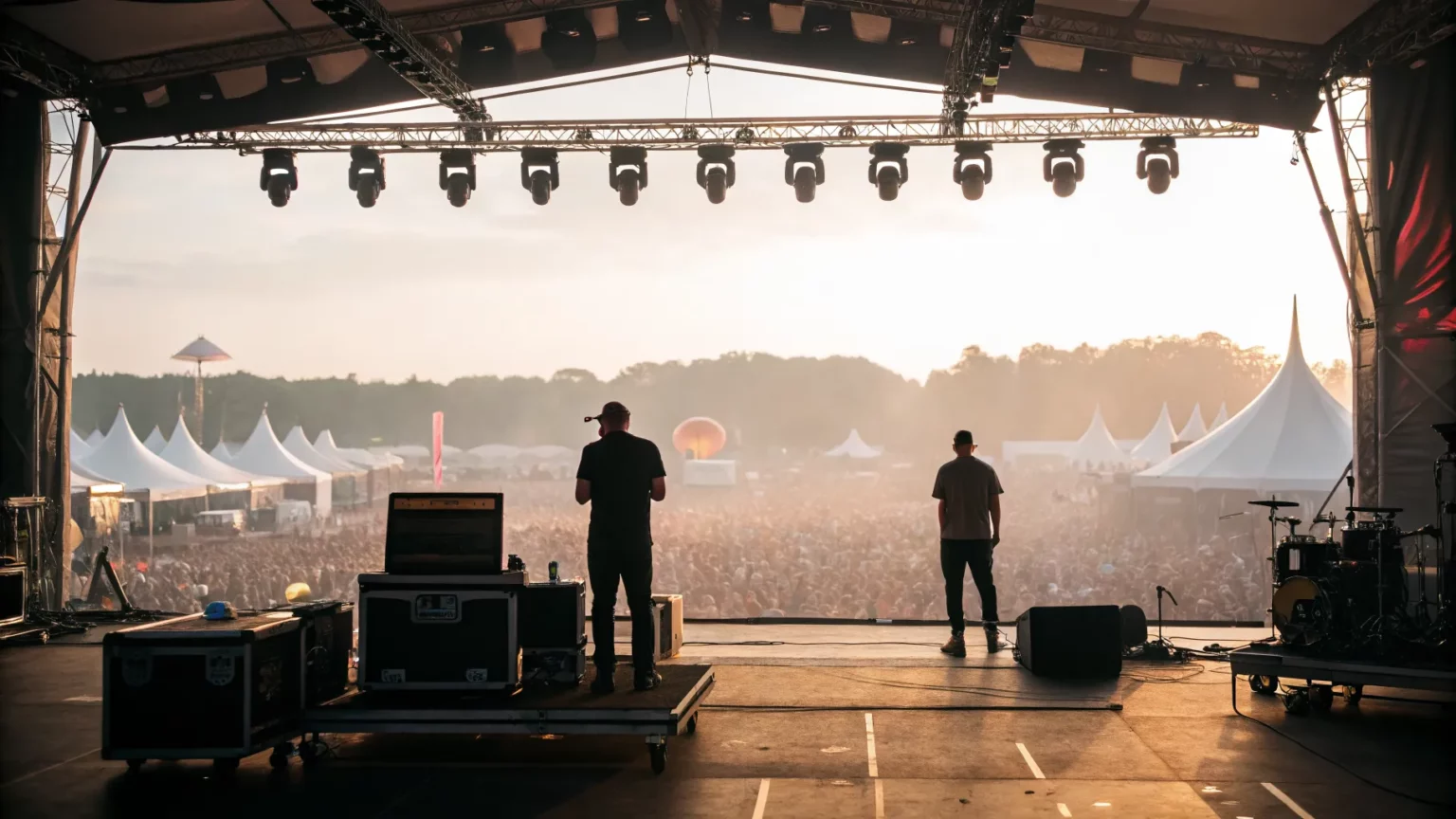
As festival season ramps up, artist advocates are warning performers to treat safety as a contract issue, not an afterthought. The guidance is simple but urgent: negotiate protections before stepping on stage. The message comes as touring resumes at full scale and weather, crowding, and technical risks continue to test large live events worldwide.
One advocate put it bluntly:
A festival contract can can change your life for better or for worse. Artists need to know how to negotiate their own safety before they sign on the dotted line.
The call follows years of scrutiny on crowd management and emergency planning. Deadly crowd crushes, extreme heat, and sudden storms have led to cancellations and investigations. High-profile incidents, including the 2021 disaster at Astroworld in Houston, placed a spotlight on who has the power to stop a show and when. Since then, many artists, managers, and insurers have pushed for stronger safety language in performance agreements.
Why Safety Clauses Matter
Performance contracts set who is responsible for crowd control, medical staffing, staging, and weather decisions. When those terms are vague, artists may have little authority to pause or cancel a set even when they sense danger.
Managers say clear terms can prevent confusion under pressure. They also reduce legal exposure if something goes wrong. Insurers, who assess touring risk, look for proof of planning and authority lines. Without that, premiums can rise or coverage can narrow.
Key Terms Artists Are Asking For
Industry lawyers and tour managers describe a shift in deal points since 2021. Many now insist on written safety standards that trigger action before a crowd or crew is at risk. Common asks include:
- Stop-show authority for the artist or a designated safety lead.
- Documented crowd capacity limits and barrier design.
- On-site licensed medical teams with clear response times.
- Weather thresholds for delays or cancellations, with pay protection.
- Certified staging, rigging, and pyrotechnics reviewed by independent inspectors.
- Emergency communications plans, including multilingual alerts.
- Adequate water, shade, and cooling zones in hot conditions.
- Real-time crowd monitoring and staffed pits for extraction.
These terms do not only protect audiences. They also shield performers, crews, and security staff working long hours under intense conditions.
Organizers Push Back, Then Adapt
Promoters often argue that they already meet local rules and industry standards. Some worry that expanded stop-show rights could lead to abrupt cancellations and financial loss. But after recent incidents, many festivals have adapted, building joint command centers and agreeing to shared decision trees.



Several major events now publish safety plans and heat policies in advance. Artist teams say this transparency helps them assess risk earlier and avoid late disputes. While smaller festivals may lack resources, they can still set clear escalation steps and staff up critical roles.
Legal and Insurance Pressures Grow
Litigation from past tragedies has reshaped negotiations. Plaintiffs’ lawyers analyze who knew what and when. Contracts that document authority and protocols can be decisive. Insurers, facing larger claims, are asking for evidence of drills, training, and compliance audits.
Tour accountants add that cancellations are expensive even with coverage. That is why artists now seek “pay-or-play” structures that compensate them if a show is called off for agreed safety reasons. Promoters, in turn, want proof that artists will follow the plan once it is triggered.
Training and Culture On Site
Paper alone is not enough. Safety advocates stress briefings before the gates open and quick huddles before a headliner set. Frontline staff need to know how to spot crowd compression, dehydration, and distress.
Performers also set the tone. Many now ask fans to step back when pits swell and pause songs to call for help. Clear hand signals between the stage and pit crews can save time when seconds matter.
What To Watch This Season
Extreme weather remains a top risk, from heat waves to sudden lightning. Crowd demand for top-billed acts is high, which can test entry lines and barriers. New tech, like AI-based crowd analytics and weather alert tools, is gaining attention, but adoption varies.
Regulators in some regions are reviewing permits and staffing rules. Unions and worker groups are tracking conditions for crew safety. Fans, too, are more alert, often filming and flagging issues in real time.
The core advice for artists is clear: treat safety as a negotiable term, not a backstage favor. Put stop-show rights, staffing levels, and weather plans in writing. Align on who calls the shots before the first note. As one advocate warned, a contract can shape outcomes in a crisis. Strong terms, tested plans, and trained teams can turn a risky night into a safe one.