




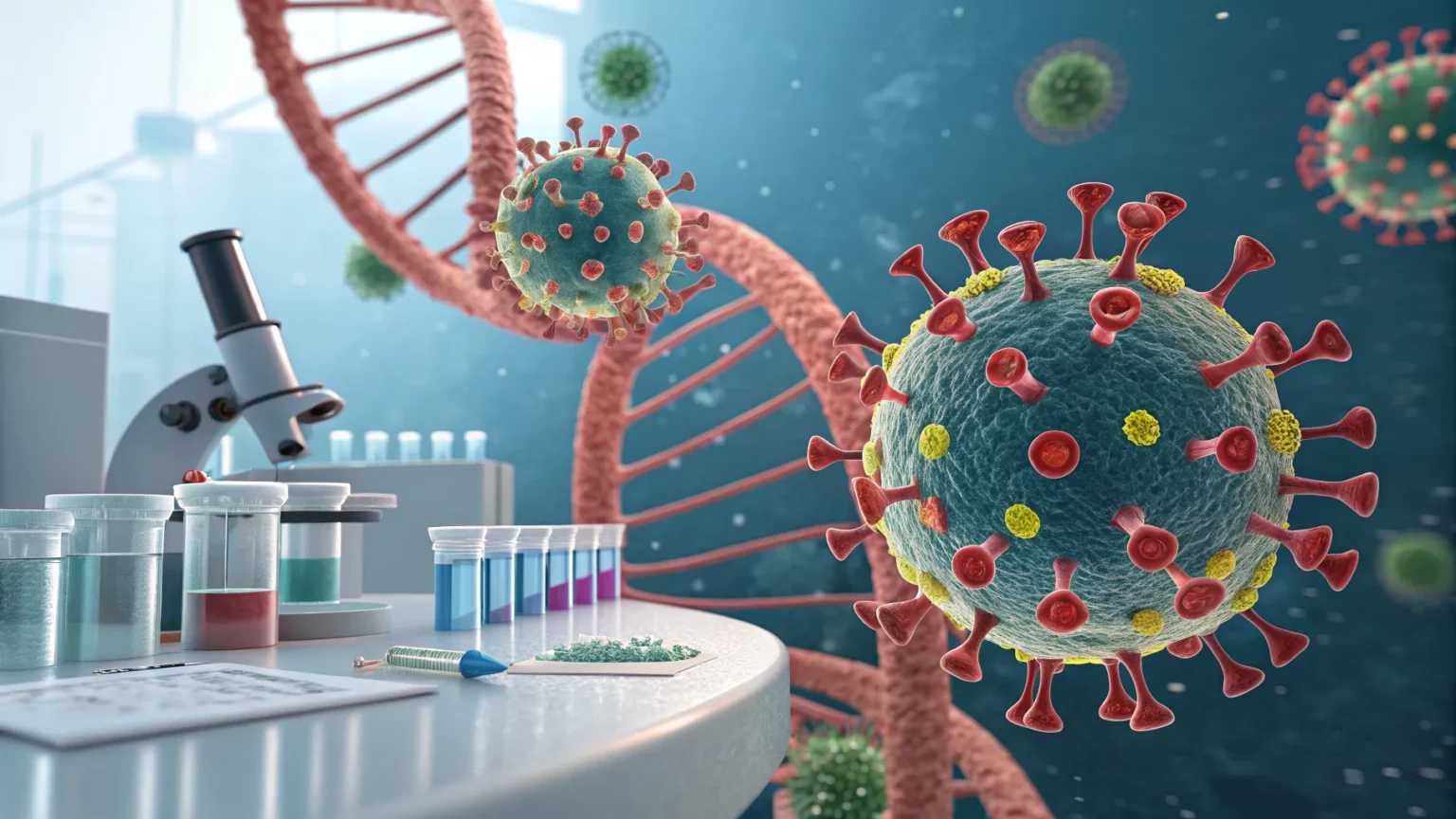
A new body of work has mapped the herpes simplex virus genome and traced how the pathogen enters human cells, opening paths for vaccines and gene therapies. The effort, described by those involved as a detailed genetic roadmap, seeks to explain why the virus spreads so widely and why it is hard to prevent.
The project centers on herpes simplex virus types 1 and 2, which cause oral and genital infections. Researchers say the findings could guide better prevention and treatment strategies. The work highlights the biology of viral invasion and how to target it.
Why Mapping the Virus Matters
Herpes simplex is among the most common infections on the planet. The World Health Organization estimates billions carry HSV-1, and hundreds of millions live with HSV-2. Most infections are lifelong. Many people have no symptoms, yet they can shed virus and transmit it.
The virus carries a large DNA genome packed with proteins that help it enter cells, evade immune defenses, and hide in nerve tissue. Understanding that genome helps reveal which viral parts are essential. Those parts may be targets for vaccines, drugs, or gene-editing tools.
Mapping also helps trace how the virus changes across regions and over time. That can support surveillance, guide trial design, and flag drug resistance earlier.
What the Research Shows
The team’s summary frames the advance in clear terms:
He mapped the herpes simplex virus genome, revealing how it invades cells. His work also helped lay the groundwork for potential vaccines and gene therapies.
Scientists have long suspected that entry proteins on the virus surface are key to infection. The new mapping links specific genes to these entry steps. That helps explain how the virus binds to receptors, fuses with cell membranes, and starts replication.
Experts say this kind of map can point to weak points in the viral life cycle. It can also identify proteins that stimulate a strong immune response. Those are prime candidates for vaccine design.



Competing Views and Cautious Optimism
Virologists welcome clearer genetic maps, but they warn that vaccines for herpes have stumbled before. Trials over past decades saw protection in some groups but not others. Lasting immunity has been hard to trigger. Latency in nerves adds another barrier, as the virus can hide for years.
Immunologists also note that any gene therapy approach must account for safety. Editing or silencing viral DNA in human tissues raises delivery and off-target risks. Regulators will expect careful study designs and transparent data.
Public health leaders argue that even a partially effective vaccine would help. Reducing transmission and the frequency of outbreaks could lower overall burden. Better tools could also limit neonatal infections, which can be severe.
Supporting Data and Trends
Global estimates suggest HSV-1 infects billions of people, often in childhood. HSV-2 prevalence remains highest in some regions of Africa and the Americas. These numbers show a steady need for better prevention.
Genomic work in other viruses has guided real-world products. For example, maps of influenza and SARS‑CoV‑2 helped shape vaccine targets. Researchers hope a similar approach will help with herpes, despite its complex biology and latency.
- Genome maps can spotlight essential viral genes.
- Entry proteins remain key targets for vaccines and drugs.
- Latency and immune evasion are central hurdles.
What Comes Next
The next steps include sharing the genome map widely and validating targets in lab and animal studies. Collaboration with immunologists will be important to test vaccine designs. Clinicians will want to see whether candidate shots reduce shedding and symptoms.
Gene therapy teams may test tools that disable viral genes during reactivation. Any such trials will require strong safeguards and careful follow‑up. Patients and advocates will ask for clear endpoints, such as fewer outbreaks and lower transmission.
If the research holds up, it could reframe how the field sets priorities. A precise map can cut years from discovery by steering teams to the most promising targets. It can also help avoid dead ends that have slowed progress.
The mapping marks a shift from broad trial‑and‑error to targeted design. The real test will come as candidates move into early trials. Readers should watch for data on immune responses, durability, and effects on viral shedding. That evidence will show whether this genetic roadmap can turn into practical protection.