





Apple’s flagship developer event opened with the familiar mix of spectacle and code, drawing developers, designers, and partners for a week focused on software and tools. The gathering, held at the company’s campus and streamed globally, centered on what will ship to users later this year and how builders can prepare. It matters because updates here shape the apps, services, and devices used by hundreds of millions of people.
A first-hand look at Apple’s flagship developer event.
Why This Gathering Matters
The event is Apple’s annual forum for unveiling the next versions of its operating systems and developer frameworks. It sets the agenda for iPhone, iPad, Mac, Watch, TV, and more. For many developers, it is where plans form for the next 12 months of work.
Historically, the company uses the opening keynote to outline new features and tools. Then it runs technical sessions and labs where engineers answer questions and help debug apps. This rhythm has been steady for years, even as formats shifted between in-person and hybrid.
Inside the Keynote and Demos
The keynote focused on software. Apple executives walked through features that target performance, privacy, and user experience. Demos showed how apps might adopt new system capabilities with less code and more consistency.
Developers often watch for changes that affect APIs, app review policies, and distribution. Small shifts here can ripple through businesses that rely on subscriptions, in-app purchases, or hardware features like cameras and sensors.
Developer Labs: Where Work Gets Done
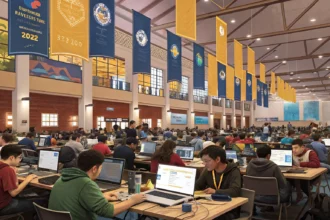
After the show, the real grind moved to deep-dive sessions and one-on-one labs. Engineers hosted talks that broke down frameworks, design patterns, and migration paths. In labs, teams tested builds on new software and got direct guidance.
- Sessions explained how to adopt new SDKs and avoid deprecated calls.
- Labs helped fix crashes, performance issues, and layout bugs.
- Design reviews focused on accessibility, motion, and clarity.
For startups, a fix found in a 30-minute lab can save weeks later. For large teams, clarity on system limits and background task rules can prevent outages at launch.
The Stakes for the App Economy
Apple’s changes often push the industry to follow. Privacy prompts shifted ad tech and forced new measurement models. Interface updates reshaped how apps present content. When system tools improve, indie developers can ship features that once required big budgets.


This year’s focus, like many recent ones, leaned on performance, safety, and smarter defaults. That aligns with user demand for speed and control. It also pressures developers to keep pace, update code, and rethink old assumptions.
What Developers Are Watching
Attendees tracked a few themes that typically drive the year ahead:
- Compatibility: How many devices will support new features at launch.
- Monetization: Any shifts in pricing, subscriptions, or payment rules.
- Privacy and Security: More consent flows and data controls.
- Performance: Gains that reduce battery drain, memory use, and launch time.
- Design: System components that change common patterns for navigation and media.
These areas decide the workload for the coming months. They also shape what users notice on day one.
What It Means for Users
Most changes will roll out with the next major software releases. Users should expect cleaner interfaces, improved defaults, and better support for privacy and accessibility. Some features will require newer devices. Others will arrive across older models through system updates.
For people who rely on third-party apps, the quality of those updates depends on how fast developers can adopt the new tools. Clear guidance from Apple’s sessions and labs can shorten that gap.
Looking Ahead
The week’s sessions set a clear track: ship stable updates, reduce friction for users, and keep data protection strong. Developers will spend the summer testing betas, filing feedback, and preparing for release season.
The next checkpoints include public beta cycles and final release candidates. Watch for app updates that highlight performance wins, new privacy options, and refreshed designs. The choices made here will shape the daily experience on Apple devices for the year to come.