

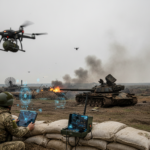



NATO Secretary General Mark Rutte signaled a strategic shift on Wednesday, saying the alliance is moving into a new phase he called NATO 3.0. His message arrives amid war in Europe, rapid military modernization, and growing pressure on members to fund defense. The statement sets the tone for how the 32-nation alliance plans to meet threats on land, at sea, in the air, and in newer domains like cyber and space.
NATO chief Mark Rutte said Wednesday that the alliance was entering its “NATO 3.0” era.
The move reflects a broader reset after Russia’s full-scale invasion of Ukraine, NATO’s recent enlargement, and years of investments to rebuild deterrence. It also points to a tougher stance on resilience at home and partnerships abroad.
What “NATO 3.0” Signals
Rutte’s phrase suggests a step change rather than a minor update. While details were not laid out, officials and analysts have framed this shift around readiness, sustained support for Ukraine, and defenses against hybrid attacks. It also implies closer ties with partners in the Indo-Pacific and a stronger defense industry across Europe and North America.
- Faster mobilization and pre-positioned stockpiles
- Integrated air and missile defense
- Cyber and space as core missions
- Stable funding above the 2% of GDP guideline
War in Ukraine Recasts Priorities
Russia’s 2022 invasion upended Europe’s security order. NATO returned to high-intensity defense planning and deployed more forces to the eastern flank. Ukraine remains outside the alliance, but members have trained troops, supplied air defenses, and pledged long-term support. Rutte’s framing signals that this support will be structured and steady, not ad hoc.
Ukraine’s performance has shown the value of air defense networks, precision munitions, and reliable logistics. It has also exposed production shortfalls. NATO countries are racing to expand output of artillery shells and interceptors, aiming to avoid future gaps.
Expansion and Burden Sharing
Finland joined NATO in 2023 and Sweden in 2024, extending allied defenses from the High North to the Baltic Sea. Their advanced militaries strengthen deterrence but also demand tighter coordination and more planning for the Baltic region and Arctic routes.
Defense spending is rising after years of underinvestment. A growing number of allies now meet or exceed the 2% target. Still, capability gaps remain, from air defense layers to maritime protection and munitions stockpiles. Rutte’s message suggests that spending must convert into deployable forces, not just higher budgets on paper.
New Domains and Wider Partnerships
Cyberattacks, satellite threats, and disinformation campaigns have become routine. NATO has declared space an operational domain and works to protect undersea cables, energy sites, and ports vital to trade. These efforts require civilian-military coordination and faster information sharing.



Allies are also deepening ties with partners such as Japan, South Korea, Australia, and New Zealand. Cooperation focuses on supply chains, semiconductor security, and defense technology. China’s military growth, economic leverage, and dual-use tech remain central concerns for planners.
Risks, Skepticism, and Domestic Pressures
Supporters of Rutte’s shift argue that a clear plan improves deterrence and reduces the risk of miscalculation. They say long-term commitments allow industry to invest and deliver at scale. Critics warn of overstretch and budget fatigue as governments balance defense with social spending and debt.
Political changes in major capitals can affect aid to Ukraine and allied cohesion. Procurement reform is another hurdle. Many programs face delays and cost overruns. Without faster contracting and shared standards, the goals of NATO 3.0 could slip.
What to Watch Next
Key tests are coming. Allies must turn pledges into fielded units, training cycles, and stockpiles. Air and missile defenses will expand, and navies will guard critical sea lanes. Industry output of ammunition and air-defense interceptors should rise through 2025 and 2026.
Regular exercises will stress logistics across borders and measure readiness. Cooperation with Indo-Pacific partners will deepen, but leaders will try to avoid mission creep. Clear messaging to Moscow—and steady support for Kyiv—will shape deterrence outcomes.
Rutte’s call for a NATO 3.0 era marks a bid for focus and speed. The alliance now faces the task of matching plans with production, budgets with delivery, and promises with presence. If allies align policy, industry, and readiness, the new phase could lock in a safer balance. If they fall short, gaps in air defense, ammunition, and resilience will remain. The coming year will show which path prevails.