



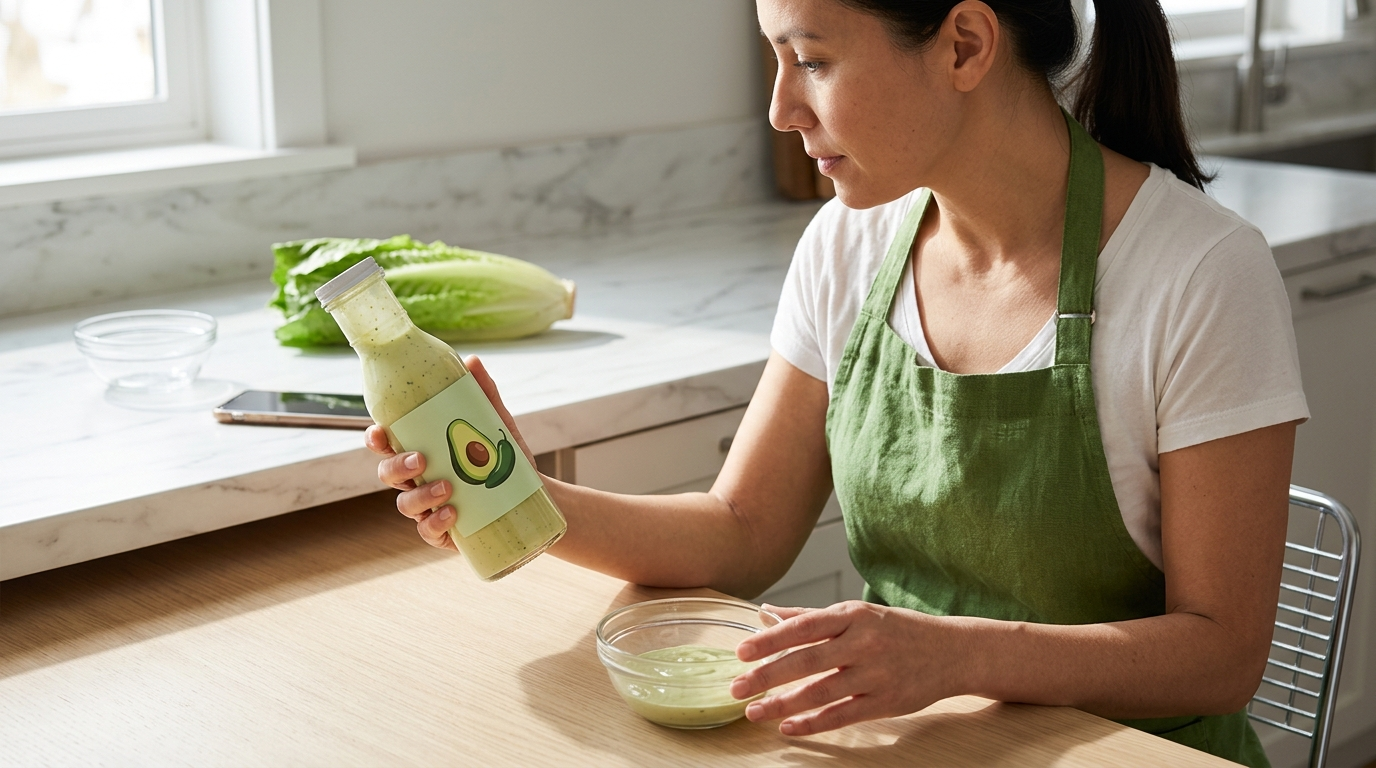
Salata Dressings recalled its Jalapeño Avocado Dressing in August after concerns arose about possible salmonella contamination, creating a food-safety alert for customers who may have purchased the product.
The recall was precautionary based on the information available. The concern involves possible contamination, which does not by itself confirm that every container carried the bacteria.
Recall Details Remain Limited
Salata Dressings initiated the action, placing responsibility for removing the affected dressing from sale and warning customers about the potential hazard.
Salata Dressings initiated the recall of its Jalapeño Avocado Dressing in August over concerns about possible salmonella contamination.
No lot numbers, container sizes, expiration dates, distribution areas, or store locations were identified in the available announcement. It also did not report whether illnesses had been linked to the dressing.
Those missing details matter because food recalls often apply only to specific production runs. Customers need package identifiers to determine whether a product in their refrigerator is included.
Why Salmonella Raises Concern
Salmonella is a bacterium that can cause gastrointestinal illness. Common symptoms include diarrhea, fever, stomach cramps, nausea, and vomiting.
Symptoms often develop within hours or several days after exposure. Most people recover without special treatment, but some cases can become serious.
Young children, older adults, pregnant people, and those with weakened immune systems can face greater risks from foodborne infections. Severe illness may require medical care.



Public health agencies generally advise consumers not to eat food covered by a salmonella recall. Handling a suspect container carefully can also reduce the chance of spreading contamination to hands, counters, utensils, or other foods.
Steps for Customers
People who have Jalapeño Avocado Dressing sold under the Salata name should check current recall notices and package information before using it. Until the affected products are clearly identified, setting the dressing aside is the cautious option.
- Do not taste the dressing to test whether it is safe.
- Keep the container away from other foods.
- Clean surfaces or utensils that contacted the product.
- Follow official instructions for disposal or return.
- Seek medical guidance if concerning symptoms develop.
Consumers should rely on notices from the company, retailers, and food-safety regulators for exact product codes and distribution details. Recall instructions can change as an investigation produces more information.
A Precaution With Wider Effects
For Salata Dressings, the recall may require product tracking, retailer coordination, and a review of manufacturing or ingredient records. Clear public updates will be important for limiting confusion and protecting customers.
The event also shows why traceability matters for refrigerated and prepared foods. Manufacturers must be able to identify affected batches quickly while avoiding unnecessary disposal of products outside a recall.
The central issue remains whether testing or an investigation confirms contamination and whether any illnesses are connected to the dressing. Customers should watch for updated lot information, geographic coverage, and guidance on refunds or disposal.
Until those facts are released, the safest response is straightforward: consumers should avoid using dressing identified by official notices and monitor health guidance for further developments.