





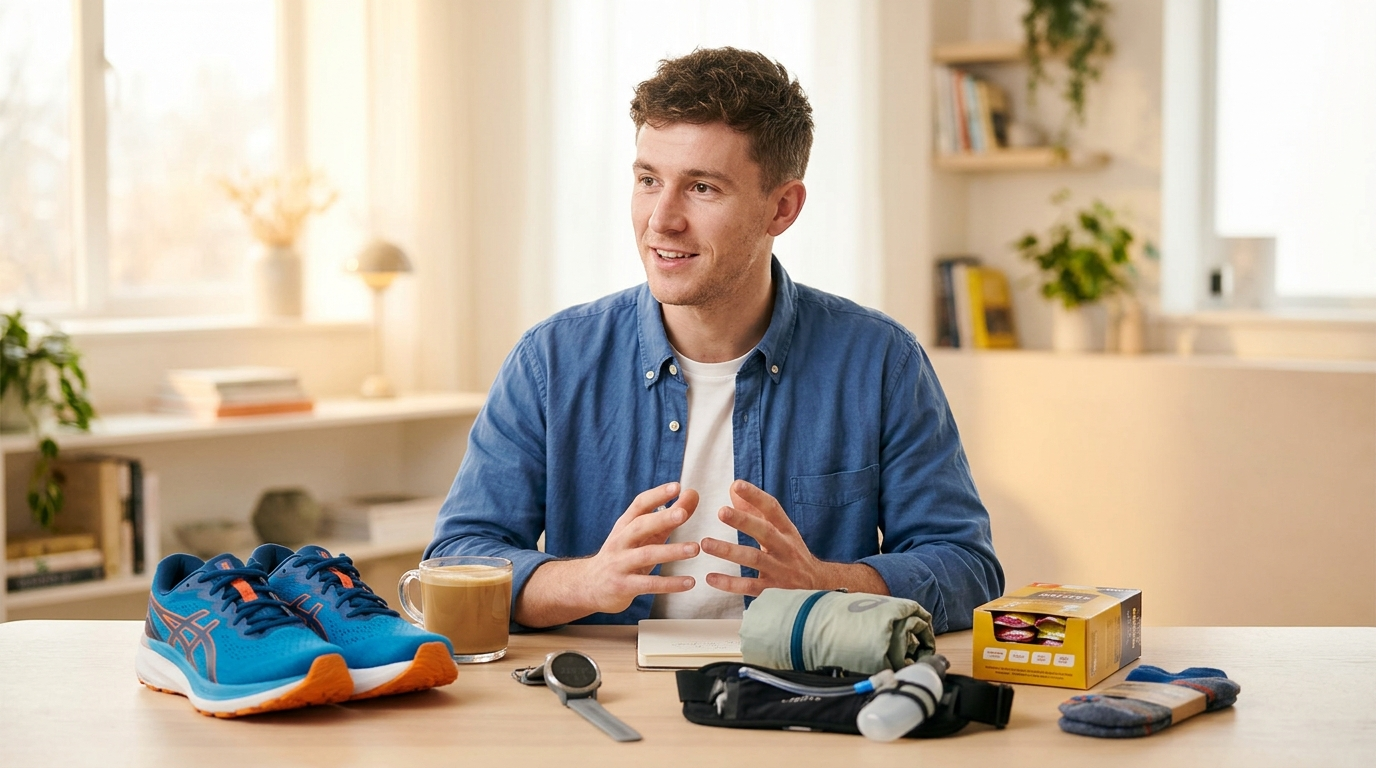
Morning Brew Daily has turned its attention to runners, with Toby Howell presenting his favorite recommendations for people shopping for the athlete in their lives.
The feature arrives as consumers seek practical gifts that match a recipient’s routine. Running-related purchases can range from basic apparel to recovery equipment, but the right choice often depends on distance, climate, and personal preference.
A Practical Focus for Gift Buyers
Howell’s recommendations are framed for “the runner in your life,” making the advice useful to shoppers who may not run themselves. That approach addresses a common problem: specialized sports products can be hard to assess without direct experience.
Running gifts generally fall into several broad groups:
- Apparel and accessories for comfort and visibility
- Hydration and nutrition products for longer runs
- Tracking tools that record pace, distance, and heart rate
- Recovery items designed for use after training
Each group serves a different need. A casual runner may value simple accessories, while a marathon trainee may need equipment suited to longer sessions.
Personal Preference Shapes Every Purchase
Running shoes may appear to be an obvious gift, but they are among the hardest products to select for another person. Fit, support, cushioning, and training style can affect whether a shoe feels comfortable.
Clothing also requires care. Runners often choose garments based on local weather, preferred fit, pocket placement, and fabric weight. An item that works for a winter runner may offer little value in a warm climate.
For that reason, flexible purchases can be safer. Gift cards, returnable items, or products chosen with the recipient’s input reduce the risk of an unsuitable choice.


Running’s Broader Consumer Appeal
The focus on runner gifts reflects the activity’s wide reach. Running requires little equipment at the entry level, yet committed athletes often invest in products that improve comfort, safety, and training feedback.
That creates a large market spanning several price levels. Reflective gear and socks can serve budget-conscious buyers. Watches, headphones, and recovery devices may suit shoppers seeking a higher-priced gift.
Retailers also face pressure to explain whether a product solves a real problem. Useful recommendations can help consumers separate essential gear from optional upgrades.
What Shoppers Should Consider
Before buying, shoppers should learn how often the recipient runs and whether training happens indoors, outdoors, or both. They should also consider whether the runner prefers roads, tracks, or trails.
Safety deserves attention. Visibility products may help runners who train before sunrise or after dark. Hydration equipment may be more relevant for long distances or hot conditions.
Howell’s runner-focused feature offers a starting point rather than a universal answer. The most successful gift will match the athlete’s established habits instead of asking that person to change them.
The central takeaway is simple: utility and personal fit matter more than novelty. As running products grow more specialized, shoppers should check sizing, return policies, and the recipient’s preferences before making a final decision.